In the chaotic, multidirectional environment of mixed martial arts, the shortest distance between two points remains a straight line. While the boxing jab is universally recognized as the foundational strike of the upper body, the front kick serves the exact same purpose for the lower body. Often referred to as the “jab of the legs,” the front kick is an essential linear weapon used to manage distance, disrupt rhythm, and inflict attritional damage. Whether utilized as a defensive frame or an offensive spear, mastering the front kick is a hallmark of elite striking in MMA.
The Mechanics: Thrusting Teep vs. Snapping Kick
To understand the front kick, one must first recognize that it is not a single technique, but rather a category of linear strikes that generally falls into two distinct mechanical variations: the Muay Thai teep and the traditional martial arts snap kick.
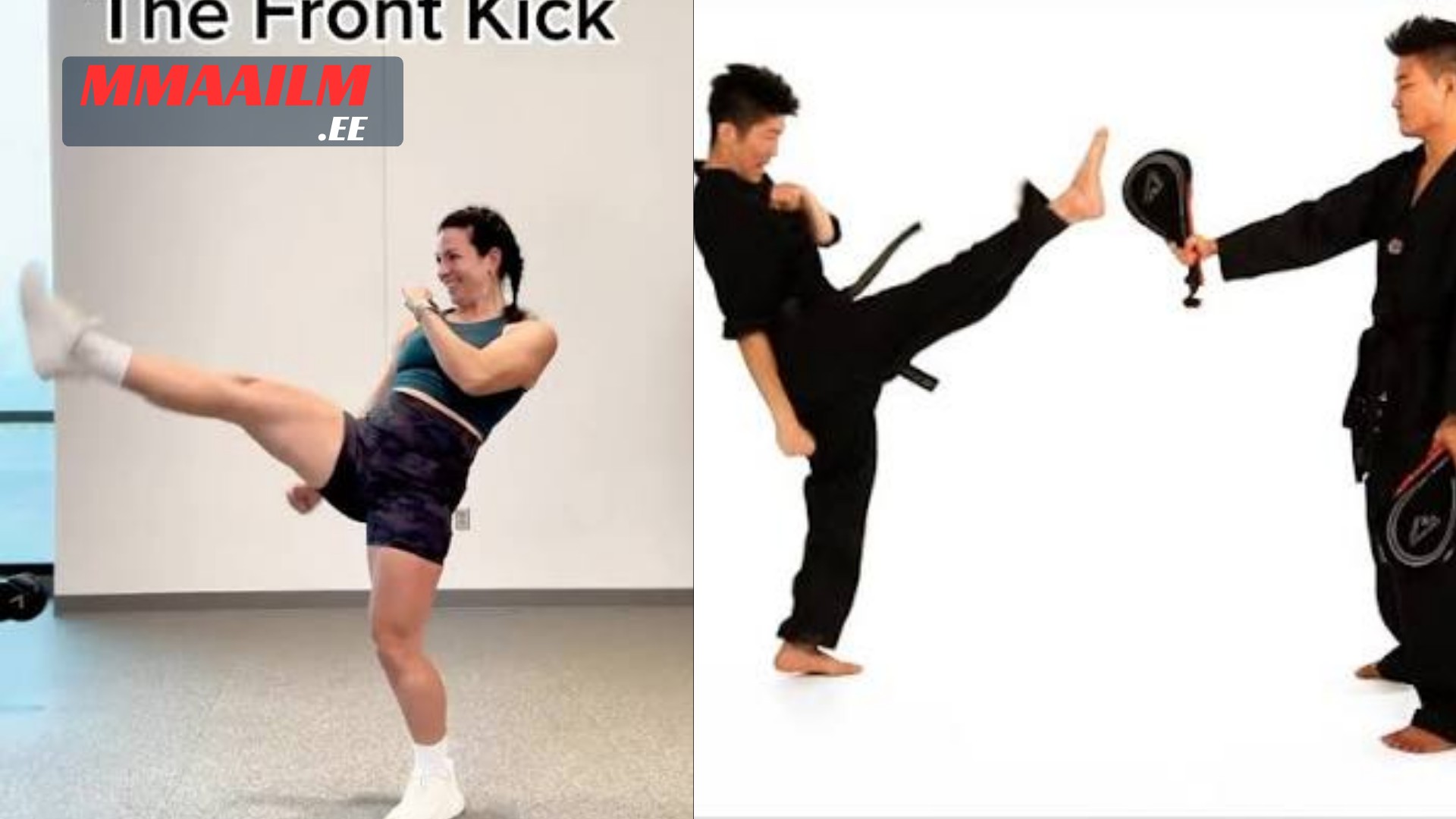
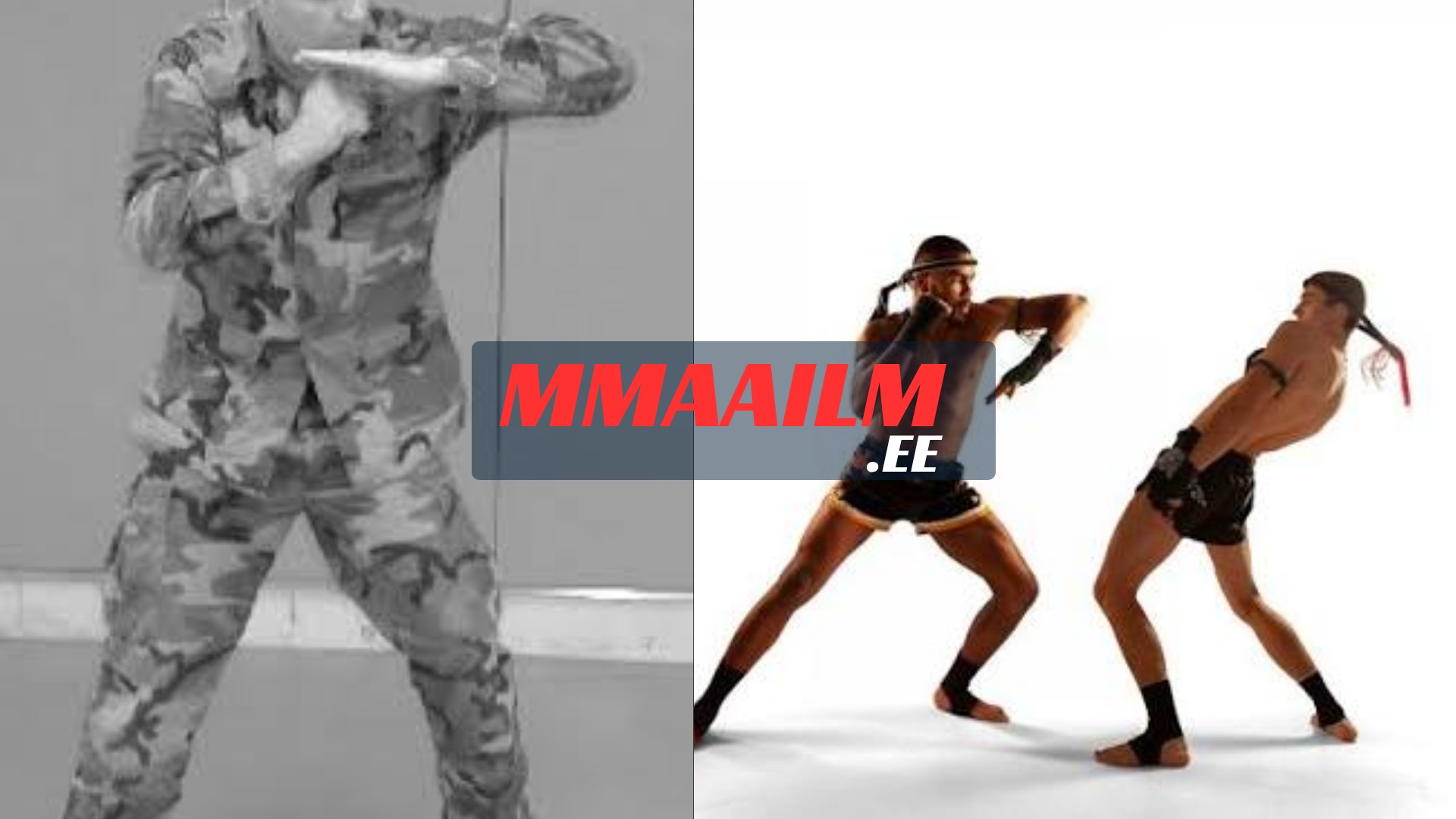
The Muay Thai teep is fundamentally a pushing strike. The mechanics rely heavily on hip extension. As the fighter chambers the knee, they thrust their hips forward, driving the ball of the foot or the flat of the heel into the target. The teep acts as a battering ram, designed to physically displace the opponent and push them backward. Because the power is generated from the core and the hips, a well-executed teep carries immense kinetic force.
Conversely, the snapping front kick—often derived from Karate or Taekwondo—relies on the hinge of the knee rather than a deep hip thrust. The fighter chambers the leg tightly and whips the lower leg out and back in a rapid, snapping motion, striking exclusively with the ball of the foot. This variation is faster, less committal, and designed to sting and penetrate rather than push. While it may not throw an opponent across the cage, its blinding speed makes it incredibly difficult to defend.
Framing and Distance Management
In MMA, where the threat of takedowns and blitzing boxing combinations is constant, the lead leg front kick acts as a vital physical barrier. Just as a fighter uses an outstretched glove to frame against an opponent’s head or shoulder, the lead foot can be used to frame against the opponent’s hips, thighs, or midsection.
When facing an aggressive pressure fighter, the front kick is the ultimate intercepting tool. As the opponent steps into the pocket to throw heavy hooks or shoot for a double-leg takedown, a stiff teep to the center of mass stops their forward momentum instantly. It forces the aggressor to reset their feet, denying them the close-quarters range they need to execute their game plan.
Disrupting Rhythm and Balance
Beyond simply keeping an opponent away, the front kick is a masterful tool for ruining a fighter’s offensive rhythm. Striking relies heavily on weight transfer and balance; a fighter must be able to plant their feet to generate power.
By constantly probing with the front kick, a fighter creates a stutter-step effect in their opponent. Every time the opponent tries to step forward and anchor their weight, a teep to the belt line knocks them off their center of gravity. This constant kinetic disruption frustrates aggressive fighters, often causing them to overcommit out of desperation or hesitate, making them vulnerable to counter-strikes.
Draining the Gas Tank: The Body Target
One of the most grueling aspects of facing a front-kick specialist is the physiological toll it takes on the body. While head strikes cause concussive damage, linear kicks to the solar plexus, liver, and abdomen systematically drain a fighter’s cardiovascular endurance.
Unlike a sweeping roundhouse kick, which can be checked with the shin or blocked on the arms, the front kick threads straight up the middle, easily splitting a traditional MMA guard. Taking repeated, forceful impacts to the stomach disrupts the diaphragm, making it difficult to breathe. Over the course of three or five rounds, these accumulating body strikes sap the opponent’s energy, leaving their legs heavy and their reactions severely delayed.
Setting the Trap: From the Body to the Head
The ultimate tactical brilliance of the front kick lies in its ability to set up fight-ending sequences. By repeatedly attacking the midsection with heavy teeps and snapping kicks, a fighter forces their opponent to react. The natural, almost involuntary defensive response to a relentless body attack is to drop the hands and forearms to parry or catch the incoming leg.
Once the opponent is conditioned to lower their guard at the mere sight of the knee chambering, the trap is set. The attacker initiates the exact same mechanical chamber, but instead of thrusting into the abdomen, they change the trajectory upward. The strike transforms into a snapping front kick directed straight at the chin or face. Because the opponent’s hands are down bracing for a body blow, the path to the jaw is completely unobstructed, often resulting in a spectacular knockout.
Through its ability to control space, exhaust the opponent, and set up devastating high strikes, the front kick remains one of the most versatile and indispensable weapons in mixed martial arts. It proves that sometimes, the most effective way to dismantle an opponent is simply by walking them into a straight line.