To the untrained eye, a scramble in mixed martial arts looks like a desperate, flailing struggle. When a takedown is stuffed, or a submission attempt falls apart, fighters often find themselves tangled on the mat, rolling and twisting in what appears to be pure chaos. However, this high-speed, transitional gray area is actually one of the most technical and deeply studied phases of modern MMA. What looks like an accidental tumbling routine is, in reality, a high-stakes battle of leverage, spatial awareness, and split-second decision-making.
Mastering the scramble is what separates good grapplers from elite mixed martial artists. It is the bridge between offensive attacks and defensive survivability, allowing fighters to turn moments of extreme danger into dominant offensive advantages.
Defining the Scramble: Order Within Chaos
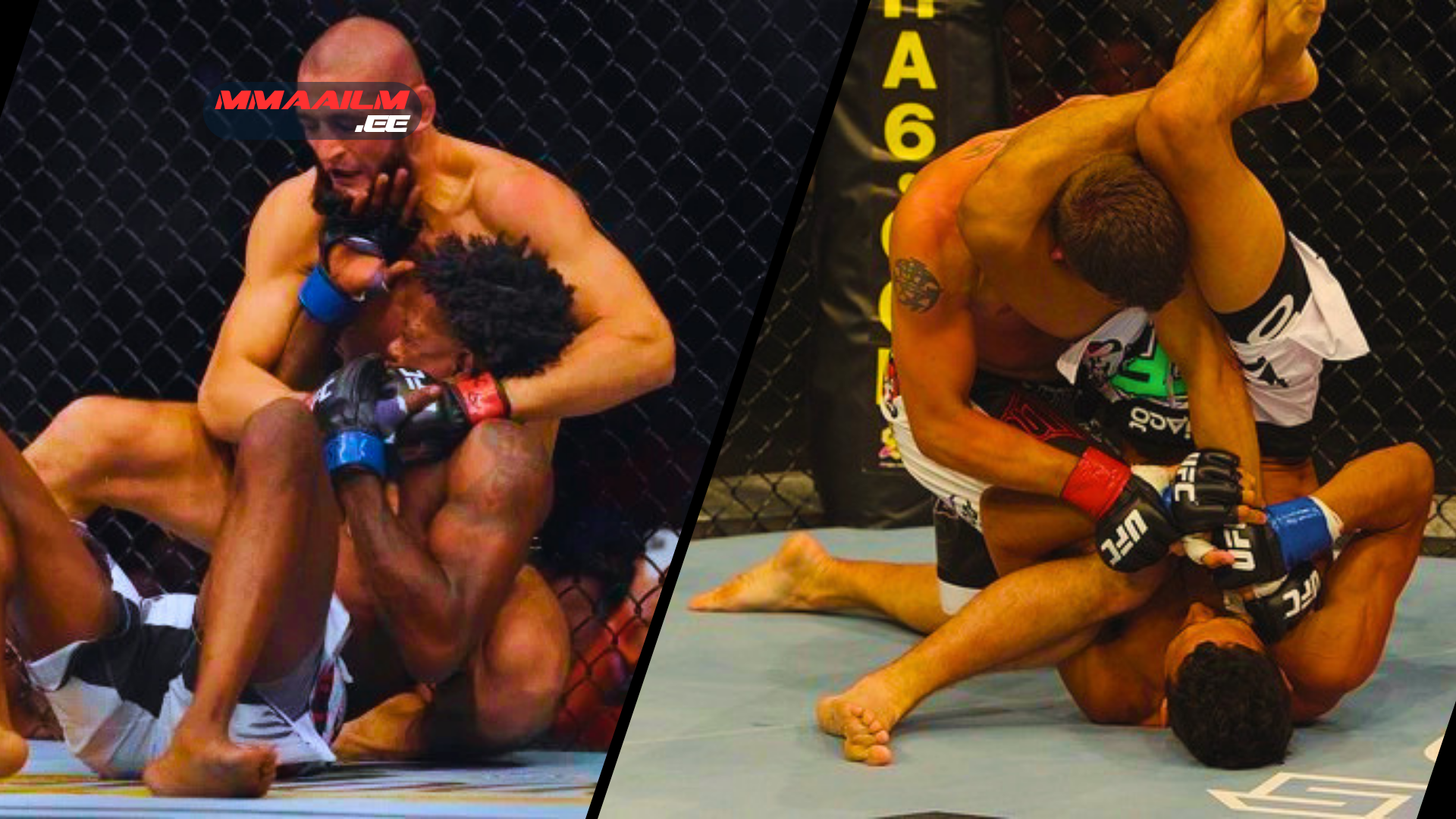
In traditional positional grappling, there is a clear hierarchy of control. One fighter is usually established in a dominant position—such as mount, side control, or back control—while the other works from a defensive posture like the guard. A scramble occurs when this established hierarchy breaks down. It is a mutual loss of established position where both fighters are transitioning simultaneously.
During a scramble, neither competitor has secured top control or a definitive guard. Instead, both are operating in a fluid, open-mat environment where the first person to establish a base and secure dominant grips will dictate the next phase of the fight. Because MMA does not have the strict resetting rules of sport jiu-jitsu or amateur wrestling, fighters must be prepared to fight through these messy transitions rather than waiting for the referee to intervene.
The Physics of Transitional Grappling
Winning a scramble is rarely about who is stronger; it is almost entirely about physics, leverage, and base-building. When the fight hits a transitional phase, the immediate goal is to get the hips lower than the opponent’s while simultaneously building a structure to support body weight.
The most vital movement in this phase is the hip heist. A hip heist is executed by explosively driving the hips upward and turning to face the opponent, often while posting on a hand or forearm. This movement allows a fighter to clear their legs from a tangle, elevate their center of gravity, and either stand back up or reverse the position. Alongside hip movement, winning the battle for underhooks is crucial. Securing an underhook during a chaotic roll provides the leverage needed to elevate the opponent’s center of gravity, effectively grounding their movement while freeing your own.
Key Scrambling Techniques
While scrambles are inherently unpredictable, the movements fighters use to navigate them are highly standardized. Elite scramblers rely on a core set of foundational techniques to deny their opponents control and reverse momentum.
- The Granby Roll: Borrowed from amateur wrestling, the Granby roll involves a fighter tucking their chin and rolling across their own shoulders. In MMA, this is frequently used when an opponent is attempting to take the back. By rolling, the defending fighter creates space, breaks the opponent’s grips, and can quickly recover their guard or return to their feet.
- The Sit-Out: When an opponent applies heavy top pressure or secures a front headlock, a fighter can use a sit-out. This involves shooting the legs forward and sliding the hips out from underneath the opponent’s weight, creating an angle to escape to the side or transition to a reversal.
- The Whizzer (Overhook): When an opponent shoots for a takedown or tries to secure the back during a scramble, applying a hard whizzer—an overhook clamped tightly over the opponent’s arm and shoulder—is a primary line of defense. A strong whizzer drives the opponent’s posture into the mat, denying them the angle needed to secure back control.
The Golden Rule of Head Position
In the midst of a rapid, spinning transition, it can be difficult to track which fighter is winning the exchange. The most reliable indicator is head position. In grappling, there is a universal rule: where the head goes, the body follows.
During a scramble, the fighter who wins the head position battle usually wins the entire exchange. If a fighter can wedge their head under their opponent’s chin, they can force the opponent backward and disrupt their base. Conversely, if a fighter can use their head to pin their opponent’s head to the mat, they effectively paralyze the opponent’s ability to hip heist or roll. In the chaotic blur of limbs, fighting for inside head position is often the anchor that secures top control.
The “Scramble Tax” on Fighter Conditioning
One of the most significant impacts of scrambling is the toll it takes on a fighter’s cardiovascular system. Engaging in explosive, high-paced transitional grappling drains a fighter’s anaerobic energy systems much faster than striking at distance or holding a static clinch against the cage.
This rapid energy depletion is known as the “scramble tax.” Because both fighters are utilizing maximum explosive power to bridge, roll, and post their body weight simultaneously, a ten-second scramble can exhaust a fighter more than a full minute of kickboxing. Fighters who lack the conditioning to pay this tax often find themselves physically compromised, leading to slower reaction times and critical defensive mistakes later in the round.
Drilling Chaos: Preparing for the Unpredictable
Because scrambles are dynamic and unpredictable, they cannot be mastered through static repetition alone. Modern MMA training camps have developed specific methodologies to make instinctive reactions technically sound under pressure.
Fighters utilize situational flow-rolling, where training partners continuously move through submissions and escapes without fully locking them in, training the brain to recognize transitional opportunities. Camps also heavily rely on positional sparring, starting fighters in inherently compromised, halfway-secured positions to force immediate scrambling. Finally, “shark tank” drills—where a fatigued fighter must constantly scramble against a rotating cast of fresh training partners—are used to build the specific anaerobic endurance required to survive and thrive in MMA’s most chaotic phase.