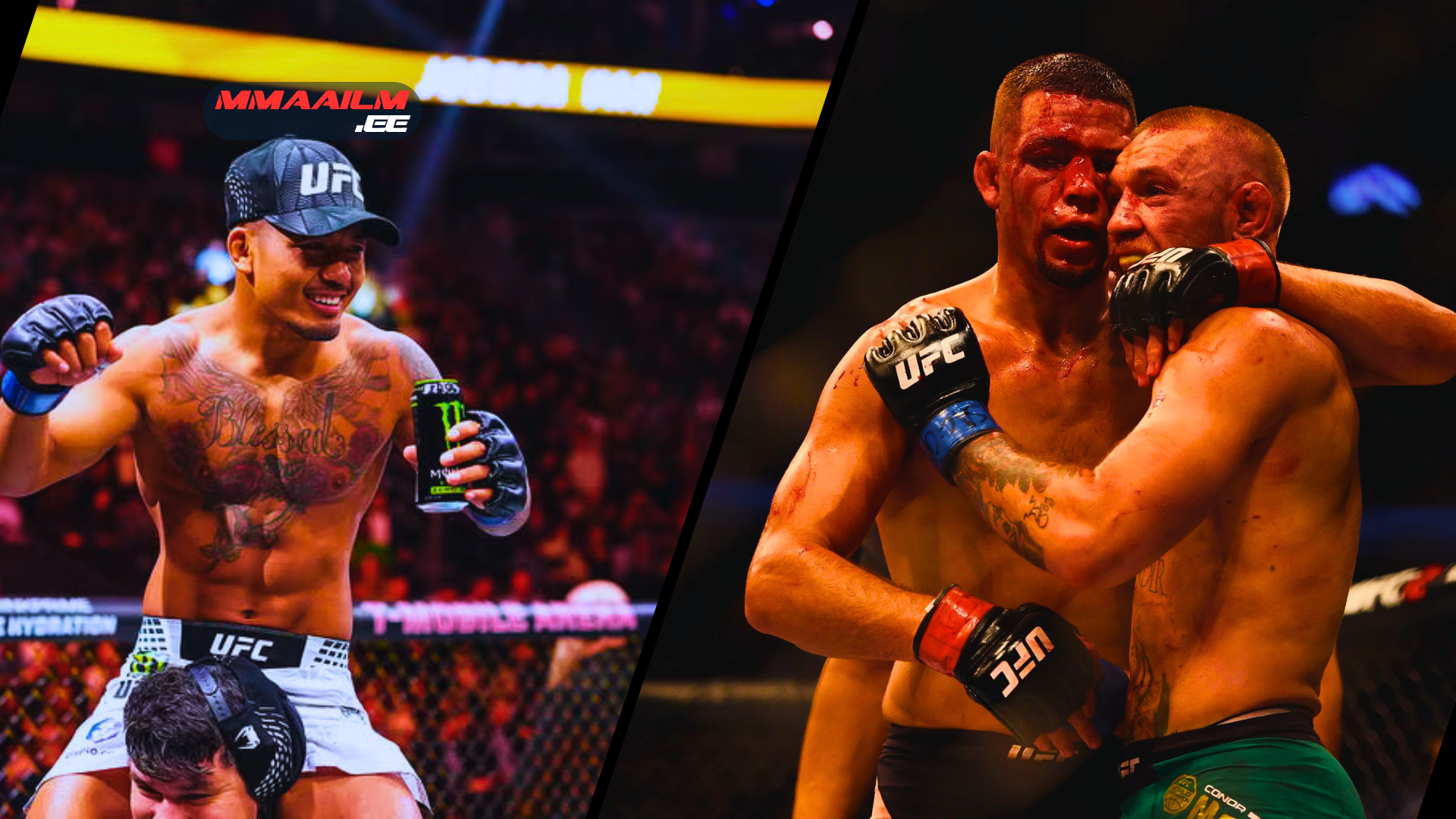
In the chaotic theater of mixed martial arts, few moments are as perilous as the seconds immediately following a concussive strike. When a fighter absorbs a massive, fight-altering blow, the bout instantly shifts from a tactical chess match to a desperate fight for survival. Navigating the murky waters between taking a heavy shot and fully recovering one’s senses is not a matter of luck; it is a highly specialized skill set that separates elite veterans from regional amateurs. Mastering in-fight crisis management requires a fighter to override their natural panic responses and execute precise physical, tactical, and psychological steps to stay in the fight.
The Physiology of the Stun: What Happens When a Fighter Gets Rocked
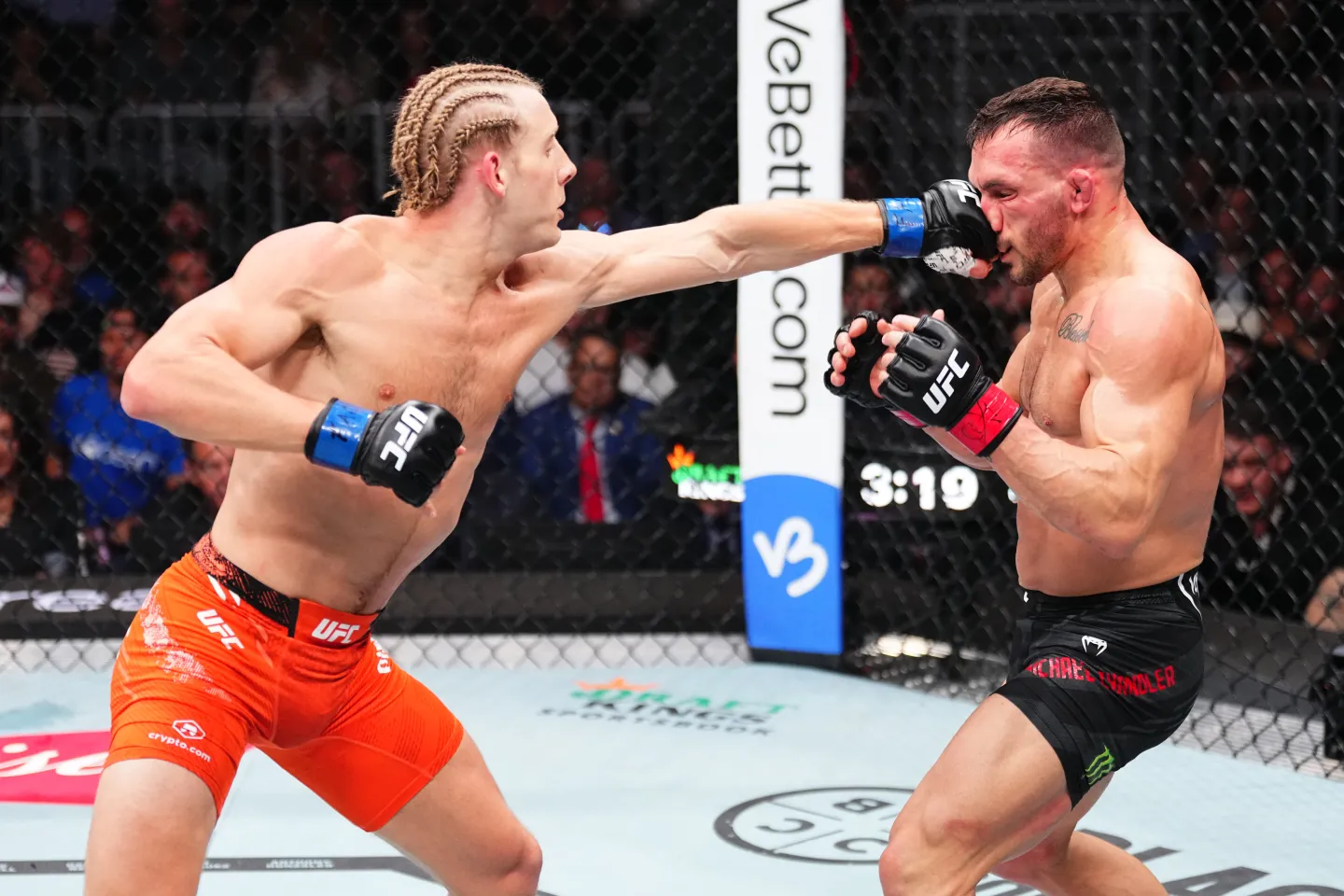
To understand how fighters survive being “rocked,” one must first understand what happens inside the body when a concussive blow lands. When a heavy strike connects with the jaw or temple, the brain rapidly accelerates and decelerates, physically shaking within the cerebrospinal fluid of the skull.
This violent motion temporarily short-circuits the brain’s communication with the body. The vestibular system, located in the inner ear, is disrupted, instantly compromising the fighter’s equilibrium and balance. Vision often narrows into tunnel vision or blurs entirely, while motor control suffers a severe lag. The fighter may know exactly what they want their arms and legs to do, but the neurological signals simply do not arrive in time. Surviving this physiological crisis means buying the brain the precious seconds it needs to reboot and reestablish control over the nervous system.
The Poker Face: Psychological Warfare on Wobbly Legs
The very first line of defense after absorbing a devastating strike is entirely psychological. A fighter must deploy the “poker face.” In MMA, an opponent is constantly reading body language to gauge when it is safe to swarm and empty their gas tank for a finish. If a hurt fighter stumbles, drops their hands, or shows panic in their eyes, it acts as blood in the water.
By immediately masking the damage—keeping the chin tucked, maintaining eye contact, and holding a steady guard—a rocked fighter can create hesitation. If the attacker is unsure whether the strike did significant damage or if the hurt fighter is setting a trap, they may cautiously measure their follow-up shots rather than rushing in wildly. This momentary hesitation is often all the time a wounded fighter needs to clear the cobwebs.
Smothering the Fire: The Defensive Clinch
When distance fails and the poker face cracks, the most reliable physical survival mechanism is the defensive clinch. A concussed fighter lacks the reaction time to slip or parry incoming combinations. Instead, the goal is to completely smother the opponent’s offensive weapons by closing the distance and tying them up.
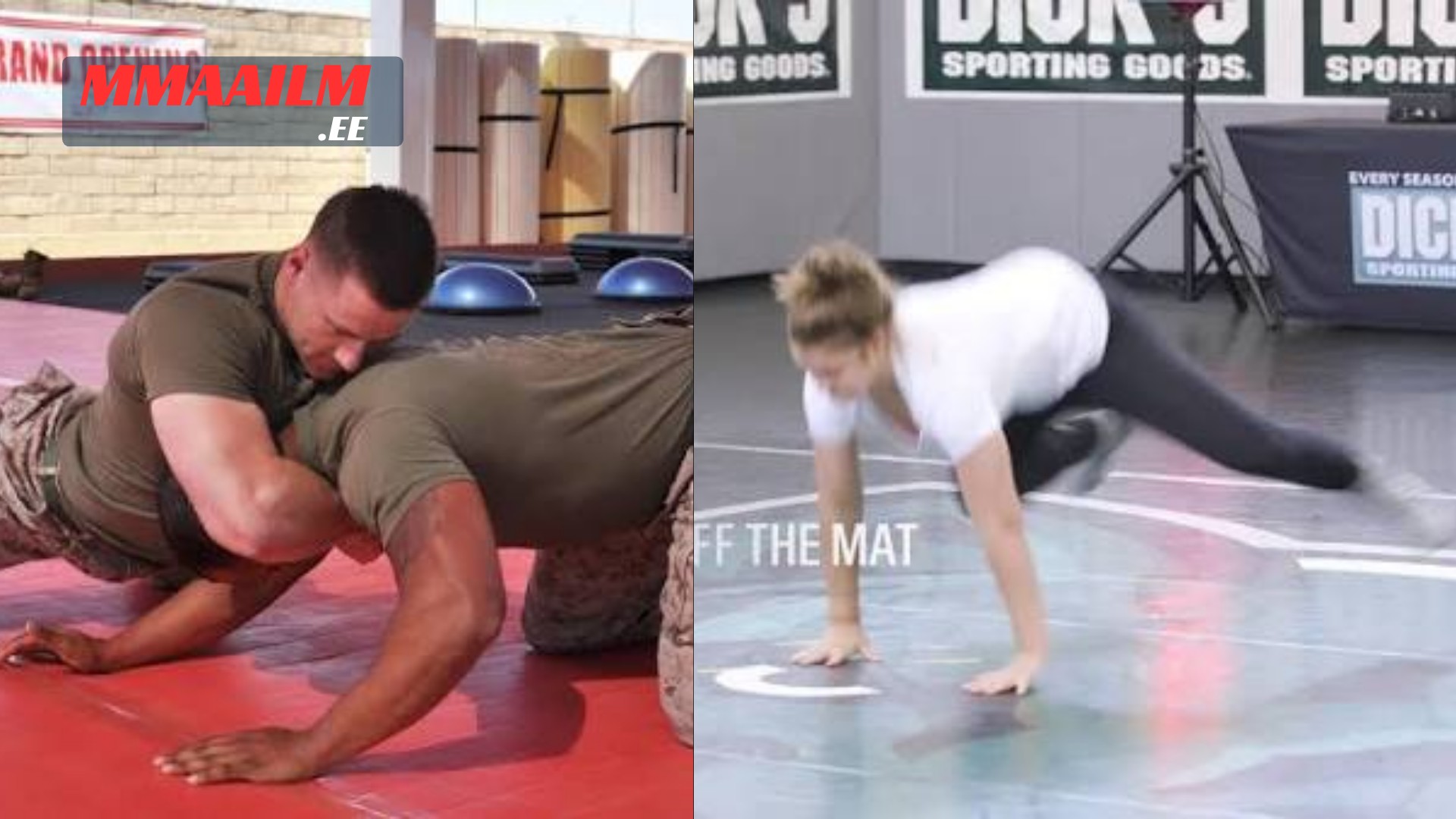
A veteran fighter will instinctively dive into the clinch, desperately fighting to establish double underhooks or a tight body lock. Once attached, the hurt fighter will rest their entire body weight on their opponent, burying their head into the chest or shoulder to avoid short elbows and uppercuts. This tactic halts the opponent’s forward momentum, neutralizes their punching power, and forces the referee to let them work, effectively stalling the action while the hurt fighter’s equilibrium slowly returns.
The Panic Takedown: A High-Risk Survival Tactic
When a fighter’s legs betray them, a common instinct is to change the arena entirely by shooting for a takedown. The “panic takedown” is a desperate attempt to drag the fight to the mat, shifting the tempo away from a striking exchange where the hurt fighter is at a severe disadvantage.
However, this is an incredibly high-risk maneuver. Because a rocked fighter’s motor skills and timing are compromised, these shots are often slow, telegraphed, and executed with poor posture. This leaves the neck highly exposed. An opportunistic opponent can easily sprawl and lock in a fight-ending guillotine or D’Arce choke. When executed intelligently, though, driving the opponent to the fence and committing to a grappling exchange can successfully run time off the clock and halt a striking onslaught.
Evasive Footwork: Circling Away from the Kill Shot
If a fighter remains on the outside after being hurt, their footwork dictates whether they recover or wake up staring at the arena lights. The most fatal mistake a rocked fighter can make is retreating in a straight line. Backing straight up keeps the fighter directly in the opponent’s line of fire, allowing the attacker to simply sprint forward and land linear strikes like crosses and front kicks.
Instead, crisis management requires lateral movement. A hurt fighter must break the line of sight by constantly circling, specifically moving away from the opponent’s power hand. By forcing the attacker to constantly pivot and reset their stance to find the target, the hurt fighter disrupts the timing of the follow-up combinations. Biting down on the mouthpiece and utilizing evasive, circular footwork buys time and forces the aggressor to work harder to find the finish.
Surviving the Drop: Weathering the Ground-and-Pound Storm
Sometimes, a strike is simply too heavy to stay upright. When a fighter is dropped to the canvas, the crisis management protocols shift to surviving the inevitable ground-and-pound storm. The immediate priority is to avoid flattening out on the back or rolling onto the stomach, which exposes the back for a rear-naked choke.
A grounded fighter must intelligently shell up, protecting the chin and temples while actively trying to tie up the opponent’s attacking arms. Establishing a full closed guard is the gold standard for survival here. From the closed guard, the hurt fighter can break the opponent’s posture by pulling down on the head and overhooking the biceps, effectively nullifying the space needed to generate knockout power from the top. By tying up the limbs and weathering the storm from the bottom, a fighter can survive the most dangerous sequence in combat sports and live to fight another round.