In the squared circle of traditional boxing, fluid head movement is the pinnacle of defensive artistry. Slipping, rolling, and bobbing under punches allows a fighter to evade damage while simultaneously loading up devastating counters. However, when this pure boxing geometry is transplanted into the mixed martial arts cage, it often becomes a fatal liability. The Octagon introduces a multidimensional threat matrix that aggressively punishes the deep, rhythmic head movement celebrated in the Sweet Science.
To survive in MMA, a fighter must understand that every defensive action carries a unique set of risks. The mechanics of evading a punch must be carefully weighed against the looming dangers of head kicks, clinch knees, and reactive takedowns. Adapting upper-body defense for the cage is not just about moving faster; it is about fundamentally rewriting the rules of engagement.
The Stance Dilemma: Foundation and Vulnerability
Effective boxing head movement begins from the ground up. To slip and weave efficiently, a boxer typically adopts a somewhat bladed stance, often placing a significant amount of weight on the lead leg. This weight distribution allows the upper body to act as a pendulum, shifting rhythmically off the centerline to evade incoming fire.
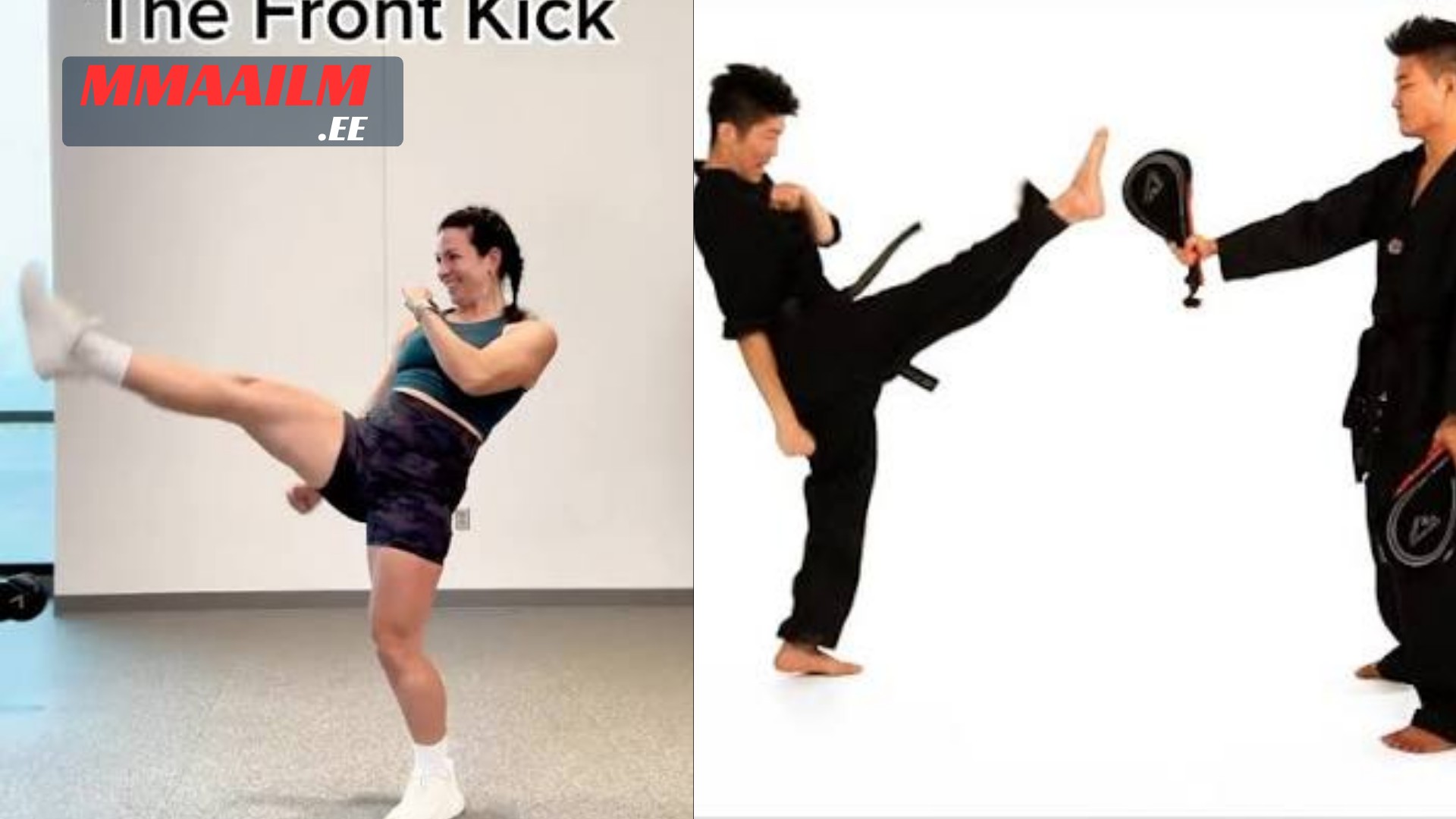
In mixed martial arts, this foundational stance is an open invitation for disaster. A bladed, heavy-on-the-lead-leg posture severely compromises a fighter’s ability to lift their shin to check low kicks. Furthermore, committing weight forward to slip a punch anchors the lead foot to the canvas, making it incredibly difficult to sprawl or defend against a single-leg takedown. The wide, rooted base required for deep boxing slips directly contradicts the balanced, squared-up mobility needed to defend the lower half of the body in MMA.
The Fatal Geometry of the Hidden Kick
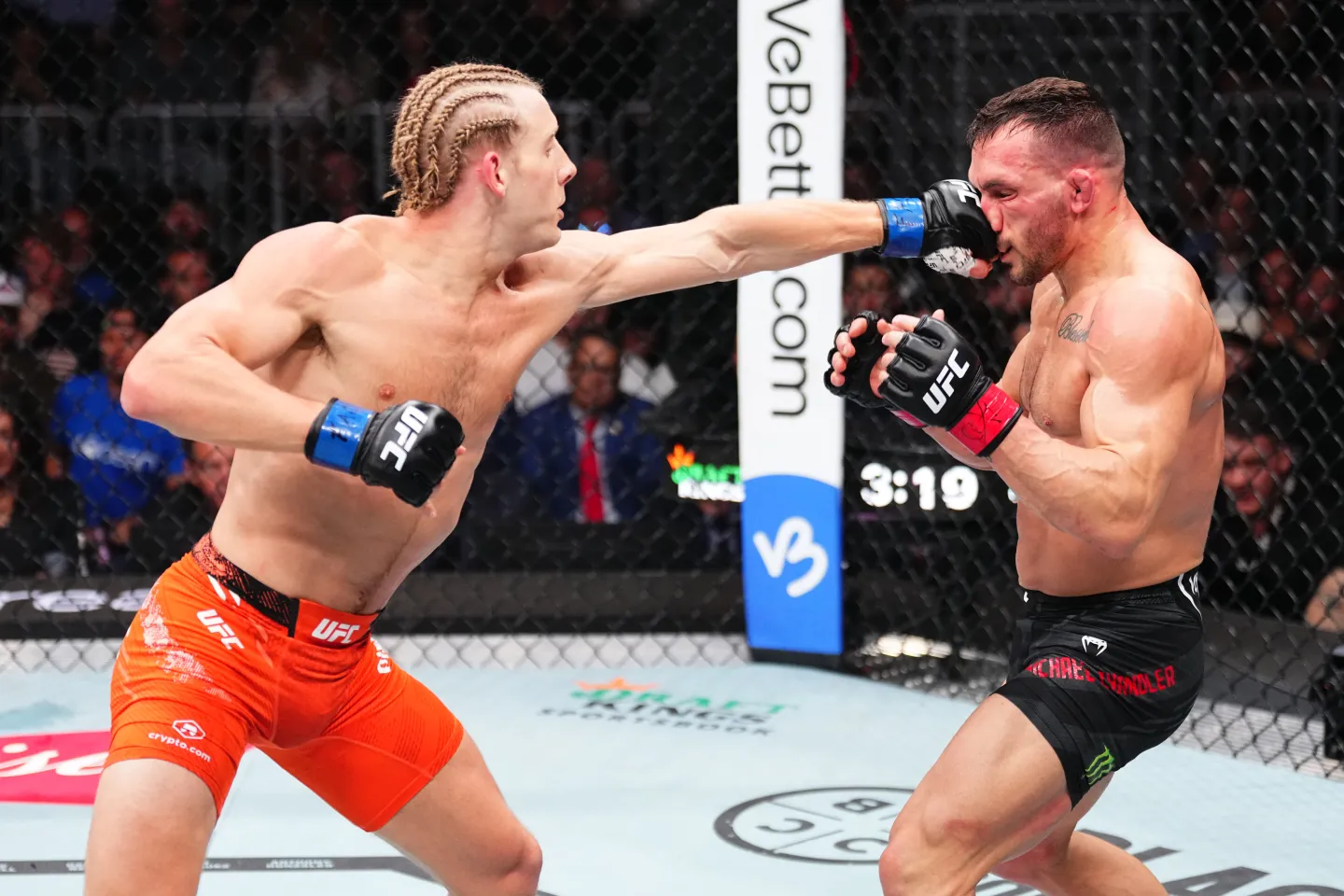
One of the most fundamental defensive maneuvers in boxing is slipping to the outside. When an opponent throws a straight punch, a boxer will move their head off the centerline to the outside of the attacking arm, effectively taking themselves away from the opponent’s dangerous rear hand. In a boxing ring, this is a textbook, high-percentage defensive choice.
In the cage, this exact movement changes the geometry of the fight in a terrifying way. By slipping laterally to the outside of a punch, a fighter often leans their head directly into the path of a rising roundhouse kick. A common MMA tactic involves throwing a straight punch specifically to draw out a classic boxing slip, only to follow it immediately with a high kick to the exact space where the defender’s head is moving. What constitutes perfect evasion in boxing can result in a devastating knockout in MMA.
Bobbing, Weaving, and the Takedown Trap
Bobbing and weaving involves dropping the hips and lowering the head’s elevation to roll under looping punches like hooks. It is a highly effective way to navigate the pocket and close the distance against a longer opponent. However, the mechanics of a weave require a distinct level change—a sudden drop in vertical elevation.
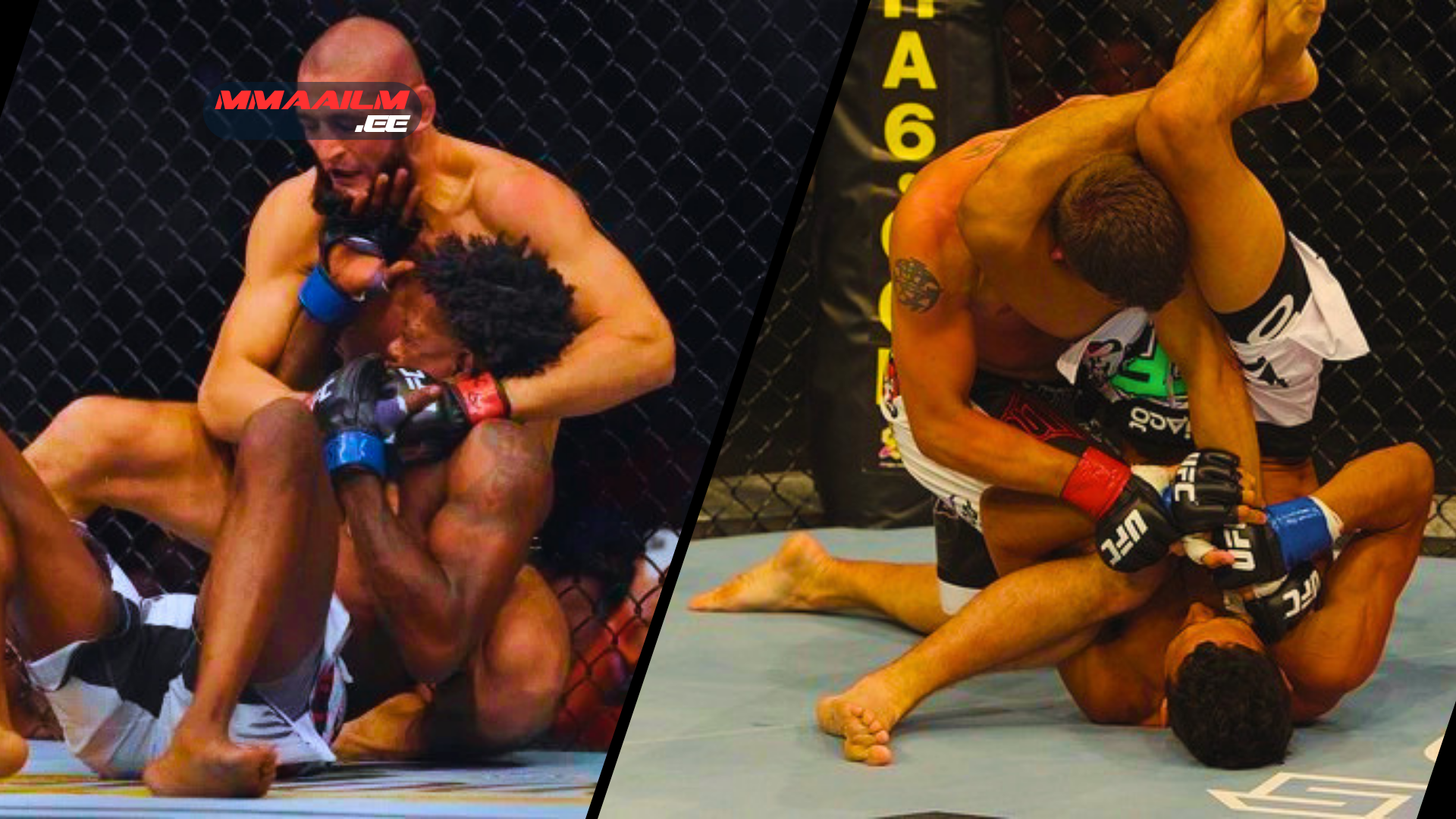
For a wrestler, an opponent who voluntarily lowers their elevation is offering a gift. By dropping their hips to weave under a strike, a striker inadvertently meets a grappler halfway. This downward momentum practically surrenders the hips for a double-leg takedown or places the striker’s head perfectly into position for a front headlock. In MMA, relying on deep level changes for strike evasion eliminates the need for a wrestler to set up their own takedown entry; the striker does the work for them.
The Clinch Penalty: Ducking into Danger
Another stark contrast between the two sports lies in the consequences of ducking forward. In traditional boxing, if a fighter ducks too low or miscalculates their distance, they often end up safely smothered against their opponent’s chest. The referee steps in, breaks the clinch, and resets the action. Ducking is occasionally used as a tactical bailout to force a pause in the fight.
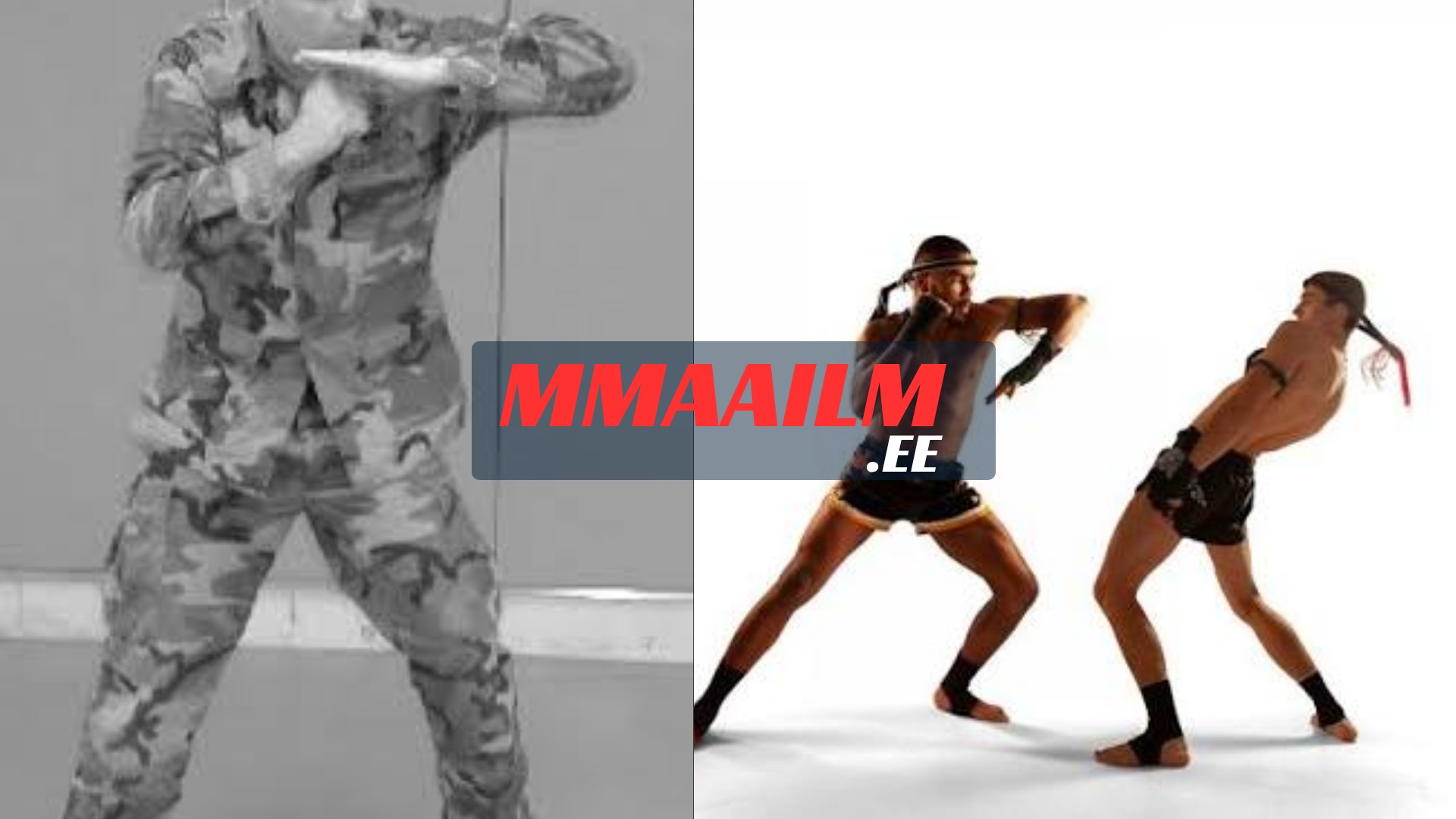
MMA offers no such safety net. Ducking forward into an opponent’s space invites immediate and severe punishment. Instead of a referee break, a fighter who ducks too aggressively will find themselves trapped in a Thai plum (a double collar tie). Once posture is broken and the neck is controlled, the defender is highly susceptible to rising knees to the face. The instinct to duck under pressure, ingrained in many pure boxers, must be actively unlearned to survive the brutal reality of the MMA clinch.
Modern MMA Solutions: Micro-Slips and Framing
Because traditional slipping and rolling carry such high risks, modern mixed martial artists have developed specialized defensive systems tailored to the cage. The most prominent adaptation is the use of the “micro-slip.” Instead of deep, sweeping movements that shift the body’s center of gravity, fighters utilize subtle, minimalist head movements. The goal is to move the head just enough to let a punch graze past, minimizing the risk of leaning into a kick or compromising balance for takedown defense.
Additionally, the pull-counter has become a staple of elite MMA striking. Rather than slipping laterally, a fighter will pull their torso straight back out of range to evade a punch before springing forward with a counter. Pulling backward keeps the head away from looping kicks and maintains a safe distance from takedown entries.
Finally, upper-body evasion in MMA is rarely used in isolation. It is heavily supplemented by proactive framing—using extended arms and forearms to manage distance—and hand-trapping. By physically controlling the opponent’s limbs and maintaining a rigid frame, fighters can deflect strikes without relying on the exaggerated, dangerous head movement that traditional boxing demands. In the Octagon, defense is not just about making an opponent miss; it is about ensuring that the act of evading one weapon does not impale you on another.