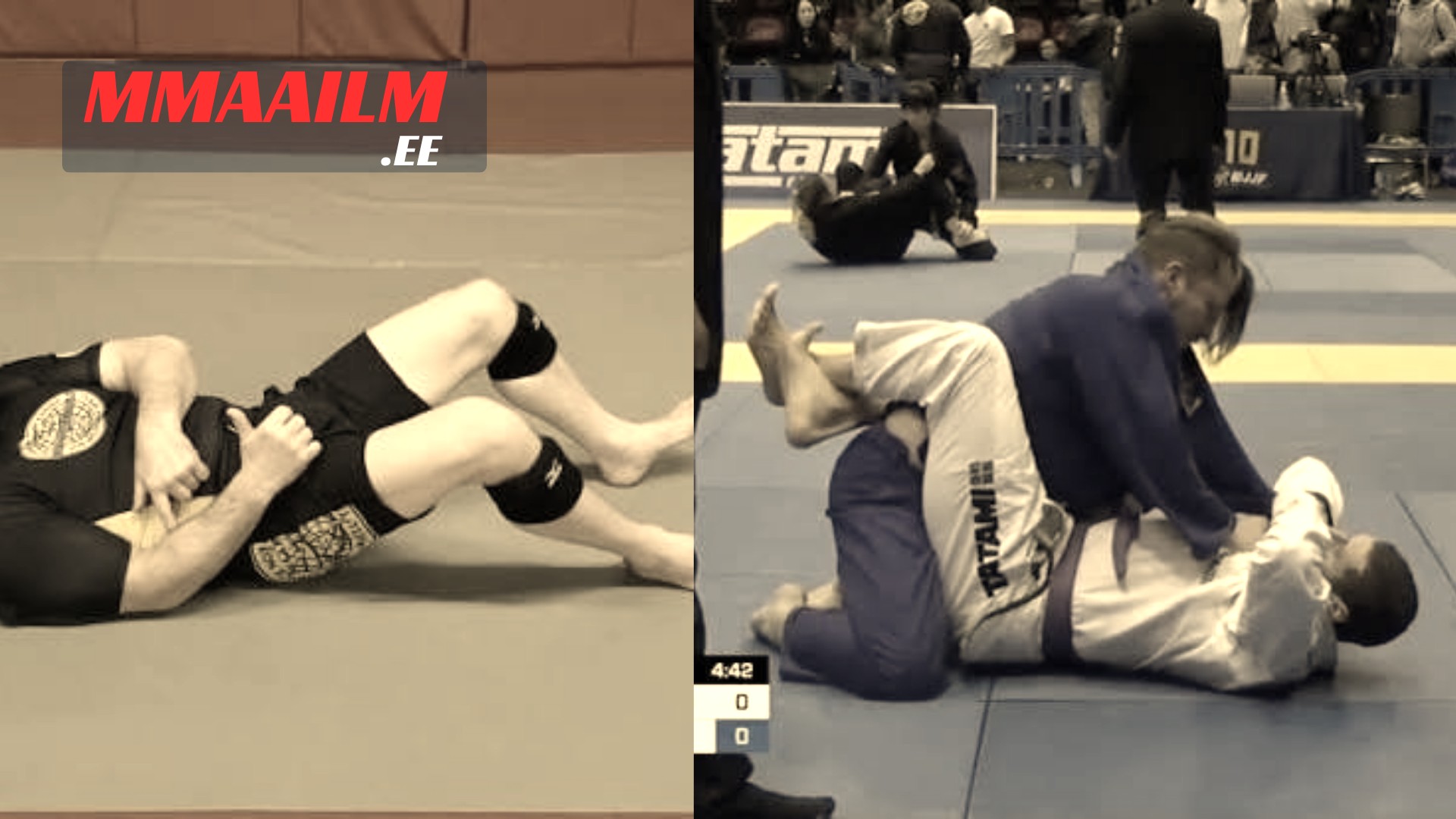
In the chaotic and unpredictable environment of mixed martial arts, few positions signal the end of a fight as definitively as the crucifix. When a fighter secures this devastating positional trap, they effectively remove their opponent’s ability to block, parry, or counter. By isolating both of the bottom fighter’s arms, the top fighter creates a nightmare scenario where ground-and-pound becomes completely unanswered. Understanding the mechanics of the crucifix reveals why it remains one of the most feared and efficient fight-ending sequences in the sport.
The Anatomy of the Crucifix: Side Control vs. Mounted
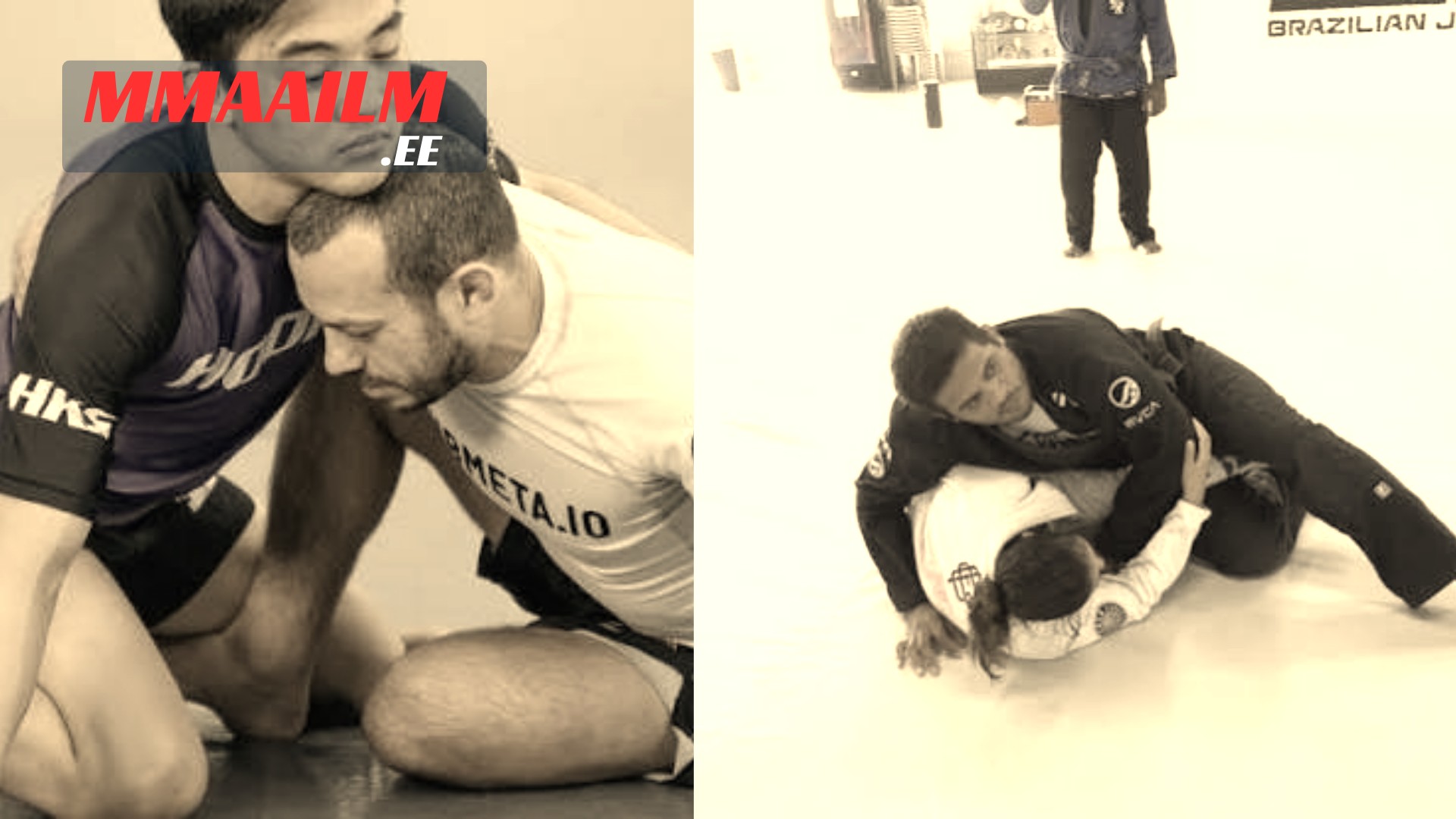
While the end result is the same, the crucifix generally manifests in two distinct variations: the side control crucifix and the mounted crucifix. The traditional side control crucifix involves the top fighter positioning themselves perpendicular to their opponent, much like standard side control. However, the top fighter uses their legs to pin the opponent’s far arm to the mat, while controlling the near arm with their own arms. This spreads the bottom fighter’s arms out wide, resembling a cross.
The mounted crucifix, on the other hand, is achieved when the attacking fighter sits directly over the opponent’s chest or shoulders, facing the same direction as the bottom fighter. In this variation, the top fighter’s legs trap one arm while their arms control the other, often wrapping around the head for added leverage. Both variations achieve complete upper-body immobilization, but they require different weight distribution and balance to maintain.
Setting the Trap: Leg Weaves and Positional Transitions
Securing the crucifix is a game of millimeters, timing, and misdirection. From side control, the top fighter often baits the opponent into framing against their hips or reaching for an underhook. As the bottom fighter extends an arm to create space, the top fighter steps over that limb. Using a precise leg weave, they entangle the opponent’s arm between their own calf and thigh, clamping it tightly to the canvas.
The position can also be initiated during chaotic scrambles, particularly from a front headlock. As an opponent attempts to turtle or roll to their back to escape the choke threat, the attacking fighter can catch the trailing arm with their legs. By flattening the opponent out and securing the leg weave before they can recover their base, the top fighter seamlessly transitions from a submission threat into a dominant striking position.
The Art of Unanswered Strikes
Once the arms are fully isolated, the offensive potential of the crucifix is catastrophic. Because the bottom fighter cannot use their hands to protect their face, the top fighter has a clear, unobstructed path for ground-and-pound. The mechanics of the position naturally lend themselves to short, sharp elbows and repetitive punches.
The strikes delivered from the crucifix do not necessarily need to be thrown with maximum, fight-ending power. The sheer volume, accuracy, and inevitability of the unanswered blows quickly overwhelm the trapped fighter. This creates a desperate psychological and physical situation where the bottom fighter is forced to absorb continuous punishment while struggling against a severe mechanical disadvantage.
Referee Dynamics and the Inevitable Stoppage
In modern MMA, the unified rules mandate that referees protect fighters who can no longer intelligently defend themselves. The crucifix position forces the referee’s hand almost immediately. When a fighter’s arms are pinned, they cannot block strikes, cover up, or even tap out effectively using their hands.
Even if the strikes landing are relatively light, the complete inability to mount a physical defense triggers a rapid stoppage. Referees are trained to recognize the crucifix as a critical danger zone. Once the trap is locked in and clean strikes begin landing flush on a defenseless face, the referee has a strict obligation to step in and wave the fight off, often within a matter of seconds.
Escaping the Trap: Bridging and Limb Retrieval
Surviving the crucifix requires preemptive action and acute positional awareness; once the trap is fully locked in, escaping is incredibly difficult. The defense must begin the moment the top fighter attempts the leg weave. The bottom fighter must keep their elbows glued tightly to their ribs, denying the attacker the space needed to step over and isolate the limb.
If the arm does get caught, the immediate response involves explosive bridging and bumping. By driving their hips violently upward and rolling toward the trapped arm, the bottom fighter attempts to disrupt the top fighter’s base and center of gravity. This momentary off-balancing can create a tiny window of space. The bottom fighter must use that fraction of a second to yank the trapped arm free, clear the leg weave, and scramble back to a safer guard or turtle position before the strikes begin to fall.