In the diverse arsenal of mixed martial arts, few techniques possess the fight-ending finality of a perfectly timed overhand right. Often misunderstood by purists of other combat sports as a desperate, looping swing, the MMA overhand is actually a highly specialized and deeply tactical weapon. It bridges the gap between striking and grappling, serving as the ultimate equalizer that can instantly alter the trajectory of a bout by exploiting the unique multi-disciplinary threats of the cage.
The Biomechanics of a Devastating Strike
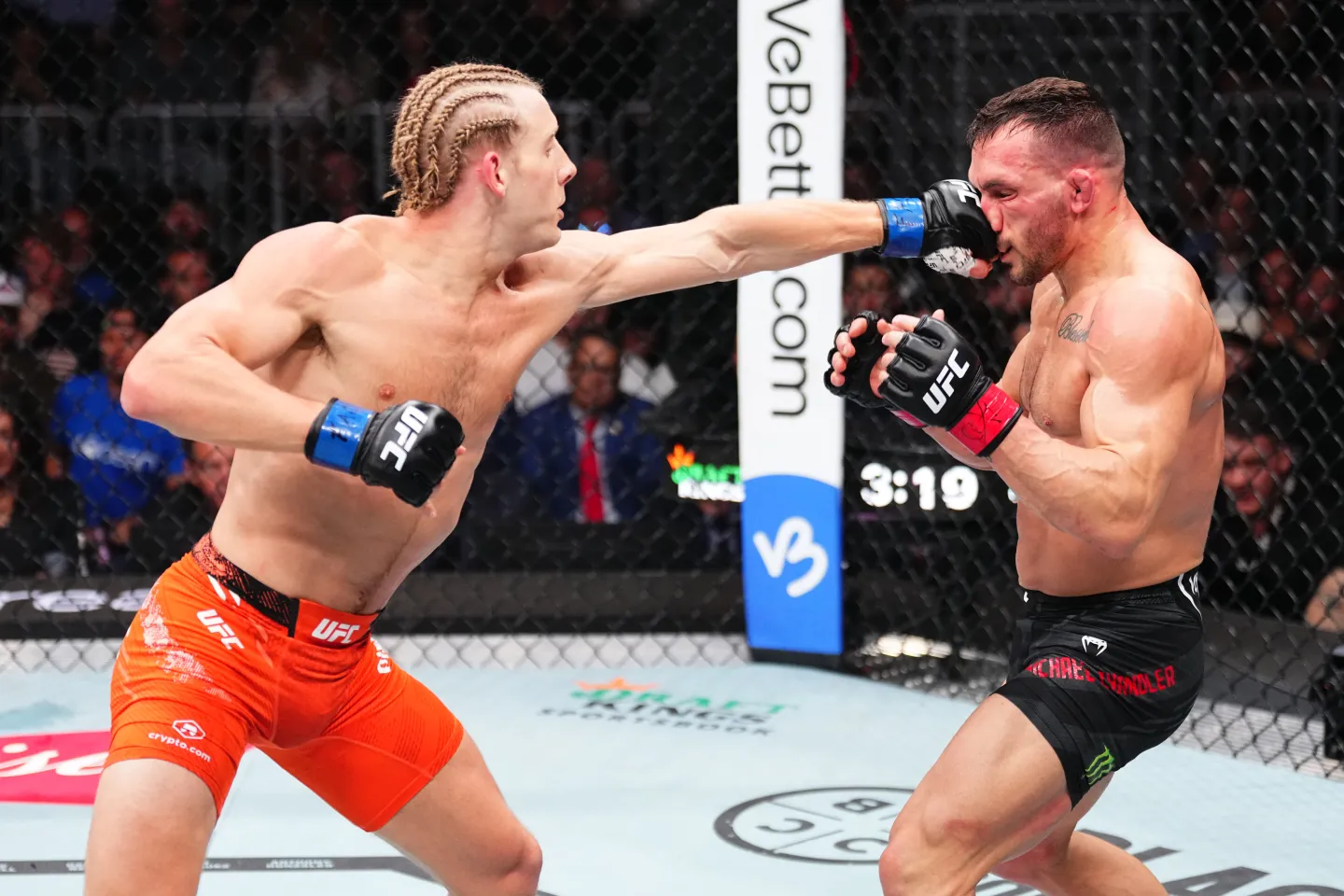
The power of the overhand right does not come strictly from the arm; it is generated through a violent, highly coordinated kinetic chain. A fighter initiates the strike by driving off the rear foot, rotating the hips, and torquing the shoulders. Crucially, the thrower drops their weight and dips their head violently off the center line as the punch is launched.
This head movement serves a dual purpose. First, it loads the body’s weight onto the lead leg to amplify the punch’s concussive force, generating power from the ground up. Second, it slips the fighter’s head under a straight counter-strike, such as an opponent’s jab. Unlike a wild, untrained “haymaker” thrown with reckless abandon and poor balance, a technical overhand is a calculated, arcing cross that lands with the knuckles turned over, driving downward through the target.
The Wrestling Connection: Why Level Changes Create Chaos
The overhand right is historically known as the quintessential “wrestler’s punch.” During the classic “sprawl and brawl” era of MMA, heavy-handed wrestlers realized that the threat of their grappling could be weaponized on the feet. The mechanics of the overhand are uniquely suited to MMA because they prey upon an opponent’s fear of being taken to the mat.
When a fighter drops their elevation to throw an overhand, the initial biomechanical movement perfectly mimics the level change of a double-leg takedown. Facing a dominant wrestler, an opponent’s natural instinct is to drop their hands and widen their base to prepare for a sprawl. This split-second reaction lowers their guard to defend the hips, leaving the chin completely exposed just as the looping right hand crashes over the top. It is a masterclass in deception, forcing the opponent into a lose-lose guessing game.
High-Percentage Setups in the Cage
While the takedown threat is a primary catalyst, elite strikers use a variety of tactical setups to ensure the overhand finds its mark. One classic method is the pawing lead jab. By leaving the jab extended slightly longer than usual, a fighter can obscure their opponent’s vision, effectively blinding them to the heavy right hand loading up behind it.
Another highly effective setup involves the inside leg kick. Striking the inside of an opponent’s lead thigh often forces them to momentarily widen their stance or drop their hands to catch the kick. This freezes them in place just long enough for the overhand to travel over their compromised guard. Furthermore, cage pressure plays a vital role. The overhand is most effective when an opponent’s lateral escape routes are cut off, trapping them against the fence where they cannot simply step backward out of the punch’s arcing range.
Defensive Liabilities and Counter-Tactics
Despite its fight-ending potential, the overhand right carries significant defensive liabilities that must be managed. Because the technique requires a fighter to commit a massive amount of forward momentum and weight onto their lead leg, missing the target can be disastrous. A whiffed overhand often pulls the thrower off balance, exposing their back or leaving them momentarily squared up and vulnerable to punishment.
Savvy counter-strikers anticipate the looping trajectory and exploit the opening with a crisp, tight counter left hook that travels inside the wider arc of the overhand. Additionally, if the defending fighter recognizes the strike and successfully ducks under it, the fighter throwing the overhand is perfectly positioned to be taken down, having already surrendered their balance and forward momentum to the missed punch.
Ultimately, the overhand right remains a foundational pillar of mixed martial arts striking. It is a technique born from the unique rule set of the sport, where the ever-present threat of grappling fundamentally alters how punches are thrown and defended. Whether utilized by a decorated wrestler looking to capitalize on a feigned takedown or a pressure striker aiming to shatter a high guard, the overhand right will forever hold its place as MMA’s most reliable and spectacular equalizer.