In the early days of mixed martial arts, the closed guard was widely considered a safe haven. A fighter taken to the mat could simply wrap their legs around their opponent’s waist, lock their ankles, and wait for a submission opportunity or a referee stand-up. Today, that strategy is a recipe for absorbing severe punishment. As the sport has evolved, so has the science of fighting off the back, leading to the rise of the butterfly guard as the premier bottom position in modern MMA.
Unlike the static nature of the closed guard, the butterfly guard is built on dynamic movement, leverage, and space creation. It has become the go-to defensive and offensive hub for fighters looking to neutralize ground-and-pound, sweep their opponents, or simply get back to their feet.
The Decline of the Traditional Closed Guard
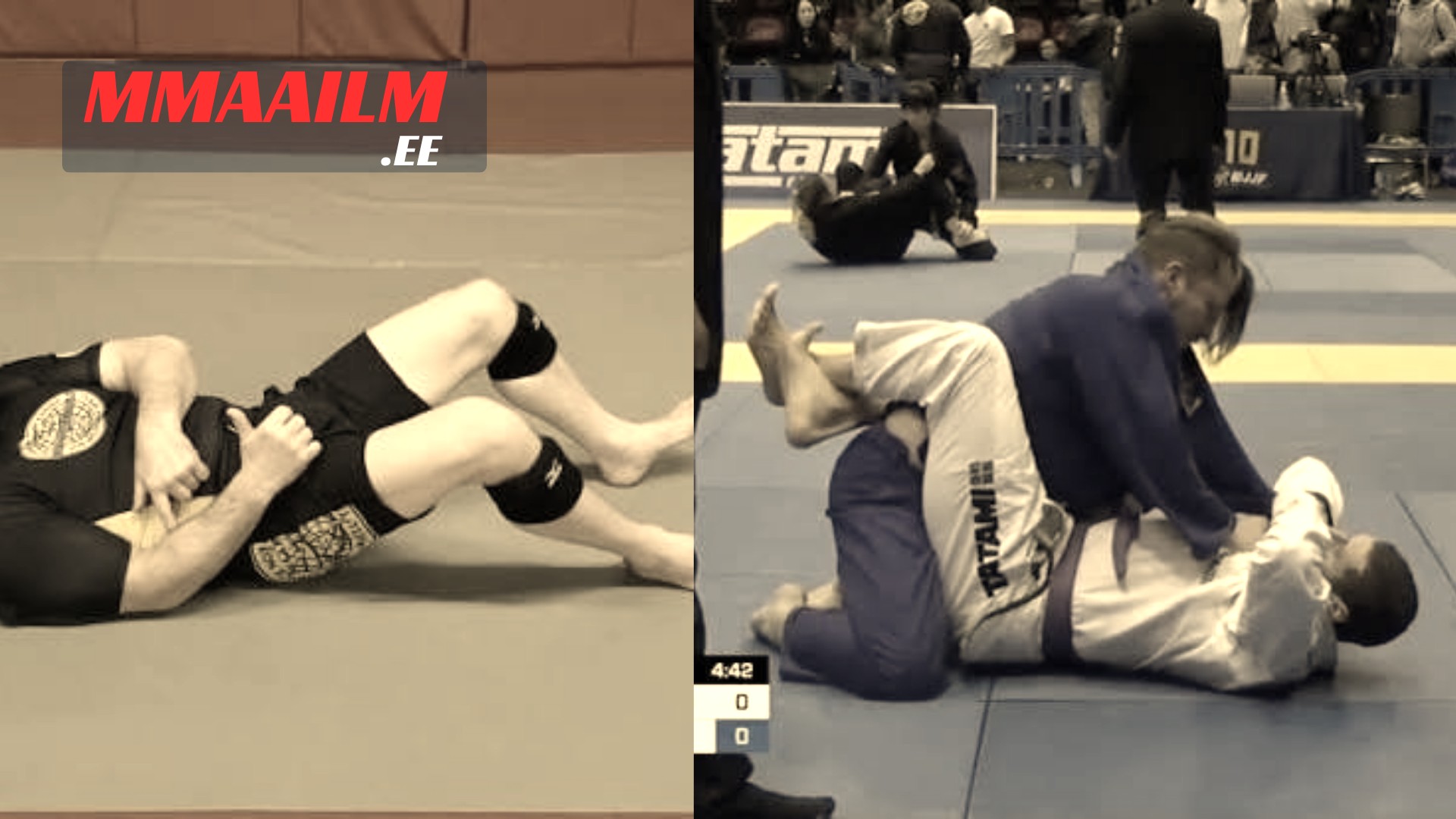
The traditional closed guard relies on pulling the opponent in close and breaking their posture. While highly effective in pure grappling, the introduction of strikes changes the physics of the position entirely. Modern top-game specialists have mastered the art of maintaining a strong base, framing against the hips, and generating devastating power with elbows and punches from inside the guard.
Furthermore, locking the guard requires the bottom fighter to lie relatively flat on their back. This traps their own hips, making it incredibly difficult to build the momentum needed to stand up. What was once a trap for the top fighter has increasingly become a trap for the bottom fighter, resulting in stalled rounds, lost decisions, and accumulated damage.
Understanding Butterfly Guard Mechanics
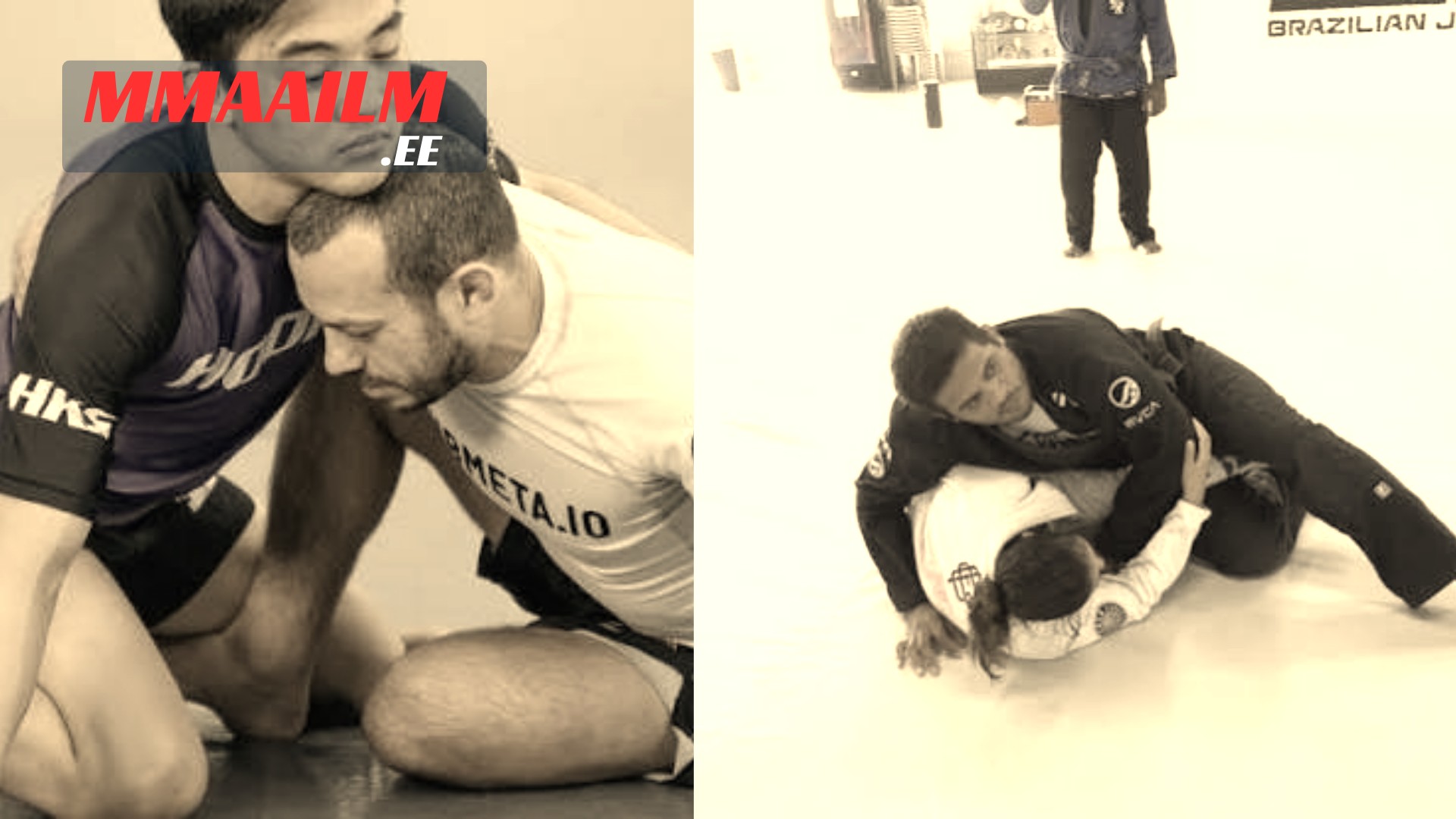
The butterfly guard fundamentally changes the connection between the two fighters. Instead of wrapping the legs around the outside of the opponent, the bottom fighter places the insteps of their feet against the inside of the opponent’s thighs or behind their knees. With the knees flared outward—resembling the wings of a butterfly—the bottom fighter creates a powerful frame using their legs.
Crucially, a successful butterfly guard requires the bottom fighter to sit up rather than lie flat. By fighting for upper-body control, such as securing an underhook on one side and controlling the opponent’s wrist or head on the other, the bottom fighter connects their upper and lower body. This creates a coiled spring of tension, ready to dictate the distance and angle of the engagement.
Neutralizing Modern Ground-and-Pound
To throw a damaging punch or elbow on the ground, a fighter needs a stable base and the ability to drop their weight downward. The butterfly guard disrupts this process by acting as an active suspension system. Because the bottom fighter’s feet are hooked inside the opponent’s legs, they can continuously elevate and off-balance the top fighter.
When the top fighter attempts to posture up and strike, the bottom fighter can use their butterfly hooks to lift the opponent’s hips off the mat. An opponent who is floating or constantly fighting to maintain their balance cannot generate kinetic energy for strikes. This constant disruption of base is the most reliable way to survive underneath a heavy ground-and-pound attack without absorbing blunt-force trauma.
Sweeps and Leg Entanglements
Beyond defense, the butterfly guard offers a highly effective offensive toolkit tailored for MMA. The most common attack is the butterfly sweep. By using an underhook to control the opponent’s upper body and elevating with the opposite-side leg hook, the bottom fighter can effortlessly tilt the top fighter over, reversing the position and ending up on top.
If the top fighter bases out wide to prevent the sweep, they inevitably leave their lower half exposed. This reaction opens a direct pathway for the bottom fighter to elevate the opponent and slide underneath into leg entanglements. By transitioning into these lower-body attacks, the bottom fighter can either hunt for fight-ending joint locks or use the threat of a submission to force a scramble that changes the dynamic of the round.
The Ultimate Goal: Creating Space to Stand
In modern MMA, the most valuable attribute of the butterfly guard is its utility as an escape mechanism. Judges heavily reward damage and top control, meaning that lingering on the bottom—even while actively hunting for submissions—is a risky strategic choice. The butterfly guard is uniquely suited for getting a fighter safely back to their feet.
Because the bottom fighter is already seated and has their feet between themselves and their opponent, they can use both legs to kick the top fighter away simultaneously. This sudden creation of space allows the bottom fighter to execute a technical stand-up. Alternatively, the butterfly guard is the perfect vehicle for transitioning to the cage. A fighter can use their hooks to manage distance while scooting backward, eventually using the fence to wall-walk safely back to a vertical base.
Ultimately, the transition from closed guard to butterfly guard represents the tactical maturation of mixed martial arts grappling. It marks a definitive shift from hoping to survive on the bottom to actively managing distance, disrupting balance, and dictating exactly where the fight takes place.