In the chaotic and high-stakes environment of a mixed martial arts bout, raw speed and concussive power are often the most celebrated attributes. However, the true masters of the cage rely on a much more subtle, psychological weapon to dismantle their opponents: the feint. Feinting is the invisible chess match that dictates the pace, rhythm, and geography of a fight.
At its core, a feint is a deliberate half-motion or deceptive gesture designed to mimic an attack. Rather than relying solely on physical dominance to break through a guard, a fighter who effectively employs feints manipulates the defender’s reactions. By presenting the illusion of danger, a striker or grappler can overload their opponent’s nervous system, drawing out predictable defensive movements and creating the exact openings needed for fight-ending sequences.
The Mechanics of Deception
A successful feint does not require immense speed or power; it requires biomechanical accuracy. To trick a highly trained martial artist, a feint must look exactly like the beginning of a genuine attack. Fighters achieve this through a variety of subtle physical mechanics that trigger an opponent’s defensive reflexes.
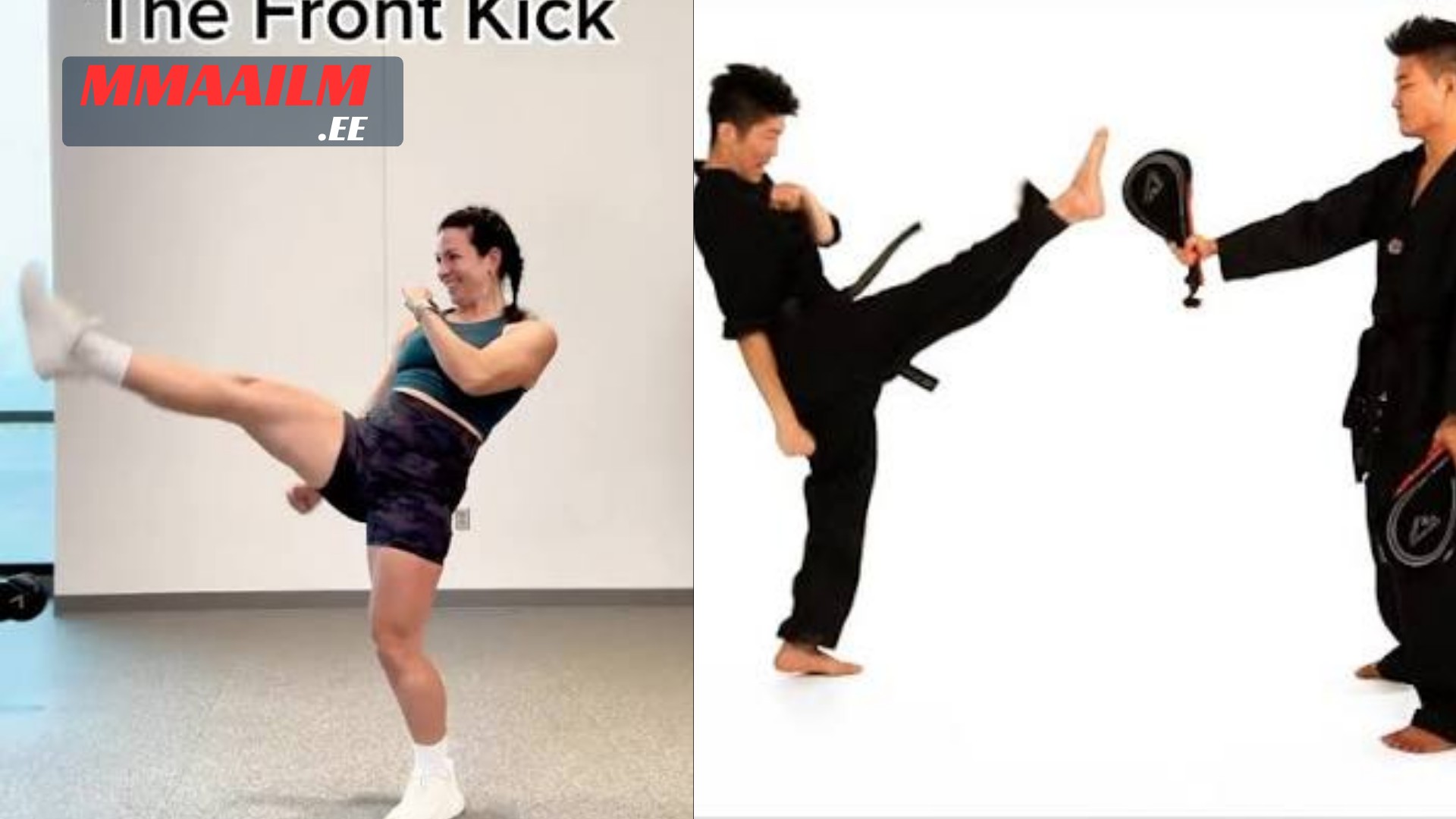
Shoulder twitches are among the most common tools in a striker’s arsenal. A sharp, sudden rotation of the lead shoulder mimics the initiation of a jab or a hook. Similarly, foot feints—where a fighter rapidly taps their lead foot forward and pulls it back—simulate the closing of distance, forcing the defender to brace for an impact that never arrives.
Advanced fighters also utilize eye manipulation to deceive their targets. By intensely staring at an opponent’s midsection or lead leg, a striker can draw the defender’s attention and guard downward, only to launch a strike high toward the unprotected head. When combined, these micro-movements create a complex web of false threats.
Weaponizing the Opponent’s Reflexes
The primary goal of feinting is to weaponize the opponent’s own defensive instincts. Human reflexes are designed to protect the body from incoming trauma. When a fighter twitches or steps heavily, the defender is forced to make a split-second decision. This constant demand for processing overloads the nervous system.
When faced with a barrage of feints, defenders typically fall into one of three reactions: they flinch, they freeze, or they fire a premature counter-strike. A flinch often involves blinking, turning the head, or raising the hands out of position, exposing the body or legs. Freezing leaves the defender rooted to the canvas, making them a stationary target.
Drawing out a premature counter is perhaps the most dangerous outcome for a defender. If a striker feints and the defender reacts by throwing a heavy punch at thin air, they are left entirely out of position, off-balance, and vulnerable to a devastating counter-attack from the fighter who initiated the feint.
The Takedown Threat: Level Changes as Feints
What separates mixed martial arts from pure striking disciplines like boxing or Muay Thai is the ever-present threat of the takedown. This adds a unique and highly effective dimension to the art of feinting: the level change.
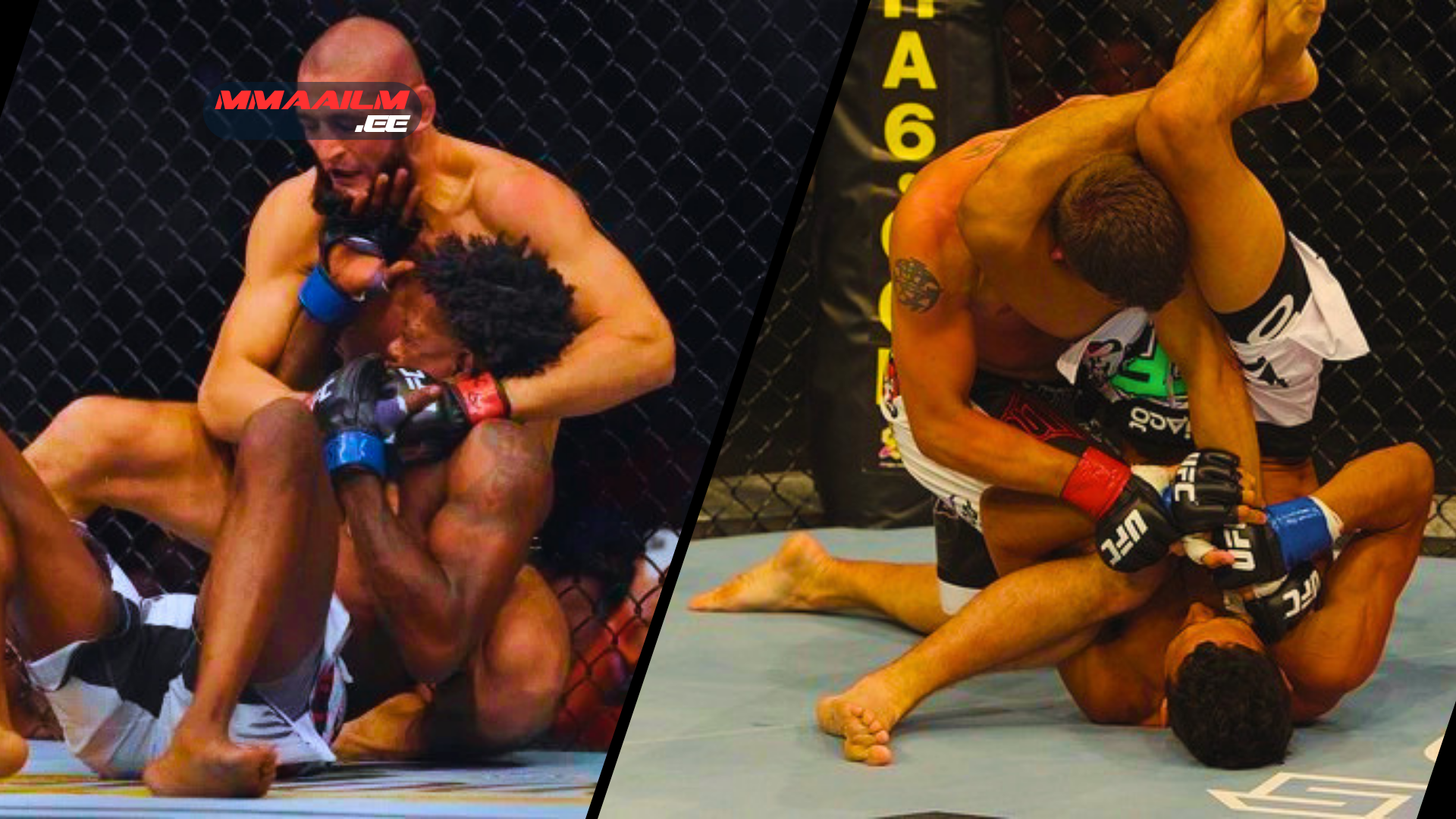
A savvy grappler or well-rounded striker will frequently use hip drops and knee bends to simulate a shot for the legs. When a fighter suddenly drops their elevation, the defender must instantly decide whether to sprawl or drop their hands to dig for underhooks.
If the defender bites on the level change and lowers their guard to defend a takedown, the attacker can instantly rise back up, converting the feint into a devastating knee, uppercut, or overhand strike. The constant threat of being taken to the mat makes the level-change feint one of the most powerful tools for opening up the upper body.
Conditioning a Response and Breaking Rhythm
Feinting is not just about immediate reactions; it is a long-term investment that pays dividends in the later rounds of a fight. Elite fighters use feints to condition a specific response over time. By repeatedly showing a fake motion early in the bout, an attacker establishes a false rhythm.
For example, a fighter might repeatedly feint a jab and immediately step back. The defender registers this pattern and eventually stops reacting, assuming the motion is harmless. Once the defender becomes desensitized to the movement and stops raising their guard, the attacker follows through with the actual strike, landing it cleanly on an unprepared target.
This psychological conditioning turns the cage into a trap. The attacker dictates the data the defender receives, slowly lulling them into a false sense of security before violently breaking the established rhythm.
The Hidden Toll: Mental Fatigue and Cardio Drain
While the physical damage of strikes and takedowns is obvious, the invisible toll of defending against feints is equally debilitating. Constantly reading, processing, and reacting to strikes that never materialize is incredibly taxing on a fighter’s mental endurance.
Every time a defender bites on a feint, they experience a micro-spike of adrenaline and muscle tension. Over the course of a grueling three- or five-round fight, these constant spikes rapidly deplete a fighter’s cardiovascular reserves. The frustration of swinging at air and the anxiety of not knowing which attacks are real can break a fighter’s will long before their body gives out.
Ultimately, the art of feinting is what elevates a good athlete to an elite mixed martial artist. By mastering the subtleties of misdirection, a fighter can dictate the terms of engagement, exhaust their opponent without throwing a single strike, and create the perfect openings to secure a victory.