It is the only title in professional sports that requires no sanctioning body approval, guarantees no pay-per-view points by default, and was literally willed into existence by a post-fight interview. Yet, as we approach UFC 326 in March 2026, the BMF Championship has become one of the most coveted—and violent—prizes in combat sports history.
When Max “Blessed” Holloway points to the center of the Octagon, or when Justin Gaethje throws a leg kick with the intent to amputate, they aren’t just fighting for a win bonus. They are fighting for a legacy defined by grit rather than gold. But where did this silver belt come from, and why has it survived when critics called it a “one-and-done” marketing gimmick?
This is the complete history of the BMF belt, from the streets of Miami and Stockton to the upcoming Holloway vs. Oliveira 2 showdown at T-Mobile Arena.
The Definition: What Does BMF Actually Mean?
BMF stands for “Baddest Motherf***er.” Unlike the undisputed UFC championships (like Lightweight or Welterweight), which are designed to identify the best athlete in a specific weight class under a strict rule set, the BMF title is subjective. It is a celebratory belt awarded to fighters who embody the spirit of “Old School” fighting.
According to UFC CEO Dana White and the fighters who have held it, a BMF champion must possess three distinct traits:
- Willingness to Fight Anyone: No protecting records, no carefully curated paths to the title.
- High Finish Rate: BMF fights rarely go to the judges, and if they do, it’s because both men are too tough to fall.
- Violence Over Points: A BMF champion would rather lose a war than win a boring wrestling match.
While official UFC belts signify who is the best, the BMF belt signifies who is the most dangerous.
The Genesis: UFC 244 and the “East vs. West” Gangster Era
The concept was born on August 17, 2019, at UFC 241. After Nate Diaz defeated Anthony Pettis, he grabbed the microphone and called out Jorge Masvidal, declaring himself the “Baddest Motherf***er in the game” and challenging Masvidal to defend that title.
The callout went viral instantly. The UFC, recognizing a lightning-in-a-bottle moment, sanctioned the bout for UFC 244 at Madison Square Garden. To add to the spectacle, they created a custom belt—silver plates, dark leather, and signed by Dana White. Dwayne “The Rock” Johnson was brought in to wrap the belt around the winner’s waist.
Masvidal vs. Diaz: The Anti-Climactic Birth
The fight itself was a masterclass in violence by Jorge Masvidal. He dropped Diaz early and cut him open severely. However, the fight ended in controversy when the cageside doctor stopped the bout after the third round due to a cut over Diaz’s eye. Masvidal won the inaugural belt, but the finish left fans wanting more.
For nearly four years, the belt gathered dust. Masvidal chased the official Welterweight title (losing twice to Kamaru Usman) and eventually retired, leaving the BMF title vacant and seemingly forgotten.
The Resurrection: UFC 291 and the Head Kick Heard ‘Round the World
In July 2023, the UFC revived the title for a rematch that screamed violence: Dustin Poirier vs. Justin Gaethje 2. Both men were former interim champions, both were known for being in “Fight of the Year” contenders, and both had moved past the official title picture at the time.
At UFC 291 in Salt Lake City, Justin Gaethje proved that the BMF title was more than a prop. In the second round, he landed a head kick that instantly stiffened Poirier, scoring one of the most iconic knockouts in UFC history. Gaethje became the second BMF champion, validating the belt as a prize for the elite of the Lightweight division.
The Defining Moment: UFC 300 and the “Holloway Point”
If UFC 244 created the belt, UFC 300 immortalized it. In April 2024, Featherweight legend Max Holloway moved up to 155 lbs to challenge Justin Gaethje.
Most analysts expected Gaethje’s power to be too much for Holloway. Instead, Holloway put on a clinic, damaging Gaethje’s nose with a spinning back kick in the first round and picking him apart for 24 minutes. But it was the final 10 seconds that defined the BMF legacy.
Despite comfortably winning on the scorecards, Holloway pointed to the center of the canvas, inviting Gaethje to swing for the fences. In the literal last second of the fight (4:59 of Round 5), Holloway landed an overhand right that put Gaethje out cold. It remains the gold standard for what a BMF champion should be.
The BMF Curse?
Interestingly, holding the BMF belt has historically been bad luck for a fighter’s next bout. This pattern—often called the “BMF Curse”—has plagued every champion so far:
- Jorge Masvidal: Won BMF, then lost to Kamaru Usman.
- Justin Gaethje: Won BMF, then lost to Max Holloway.
- Max Holloway: Won BMF, then dropped back to Featherweight and was knocked out by Ilia Topuria (a loss that reshaped the 145 lb division).
Now, Holloway returns to Lightweight at UFC 326 to defend the silver strap, hoping to be the first man to break the cycle of defeat following a BMF victory.
The Future: Holloway vs. Oliveira 2 at UFC 326
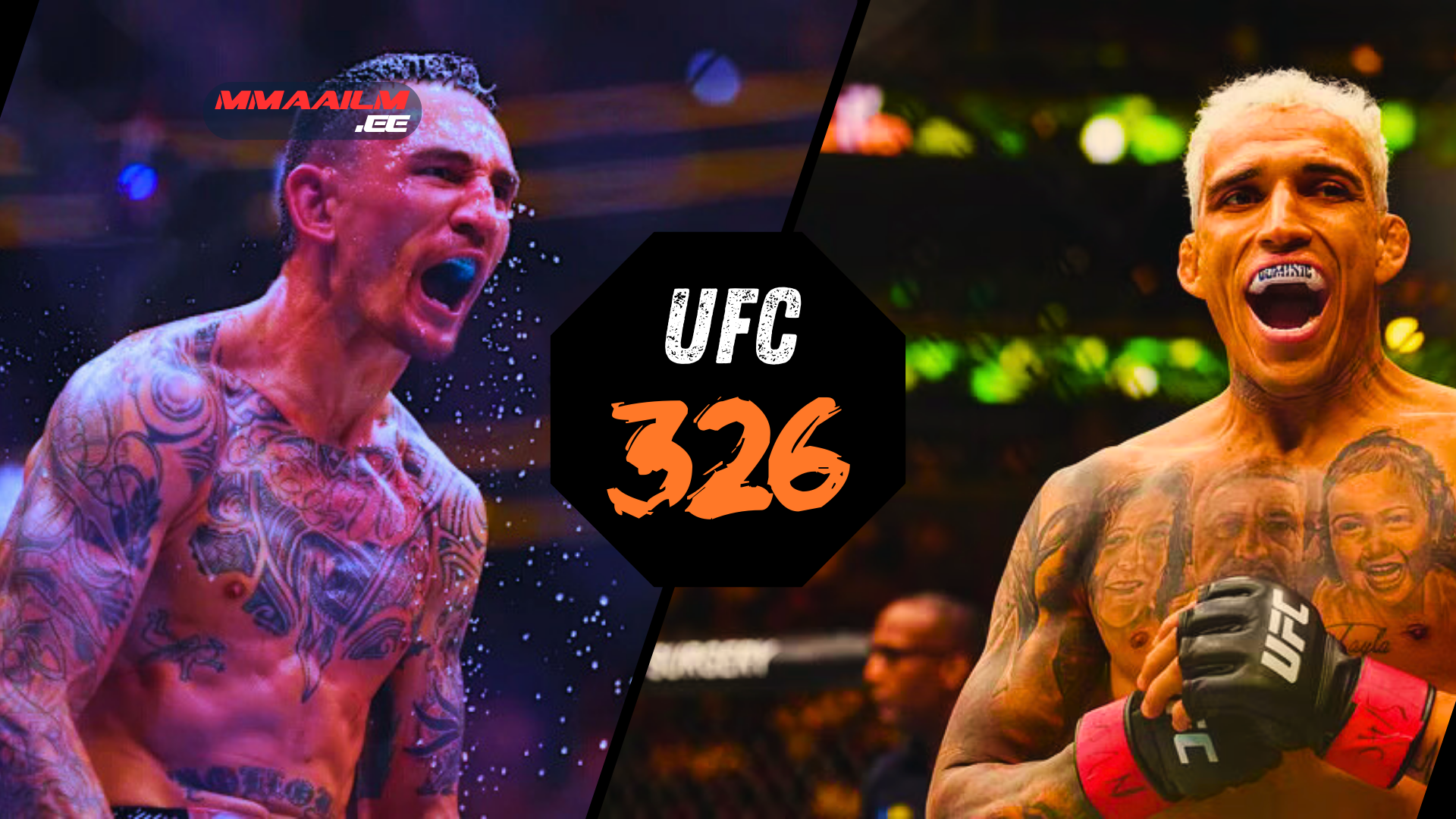
On March 7, 2026, the BMF saga continues. Max Holloway will defend the title against Charles “Do Bronx” Oliveira. This matchup is historically significant for several reasons:
- The Rematch Factor: They first fought in 2015, a bout that ended bizarrely when Oliveira suffered an esophagus injury. Over a decade later, both are bonafide legends.
- Style Clash: Oliveira holds the UFC record for most submissions, while Holloway holds the record for significant strikes landed. It is the ultimate “Striker vs. Grappler” BMF fight.
- Legacy Stakes: If Holloway wins, he solidifies himself as the greatest BMF champion ever. If Oliveira wins, he adds the only belt missing from his trophy case.
For a full breakdown of the odds and technical analysis for this fight, check out a UFC 326 Preview: Holloway vs. Oliveira 2.
Why the BMF Belt Matters
Critics often argue that the belt confuses the official UFC rankings. However, the BMF title serves a crucial purpose in the modern era of “Money Fights.” It allows the UFC to headline Pay-Per-View events with massive stars who may not currently be the #1 contender but are bigger draws than the actual champions.
In an era where fans complain about “point fighting” and safe game plans, the BMF Championship is a promise to the audience: This fight will not be boring.
FAQ: Common Questions About the BMF Belt
Is the BMF belt an official UFC title?
No. It is a ceremonial title. It does not grant the holder automatic pay-per-view points (though BMF fighters usually negotiate high flat fees) and does not require mandatory defenses against top contenders.
Who has held the BMF Belt?
As of February 2026, only three men have held the title: Jorge Masvidal, Justin Gaethje, and Max Holloway.
What happens if a BMF champion retires?
When Jorge Masvidal retired, the belt was vacated. It remained dormant until the UFC decided to put it on the line for Poirier vs. Gaethje 2. It is likely the belt will only be active when two “superstar” veterans fight.
Does the BMF fight have to be 5 rounds?
Yes. Even if it is not the main event (though it usually is), a fight for the BMF belt is scheduled for 5 rounds to ensure a definitive finish.