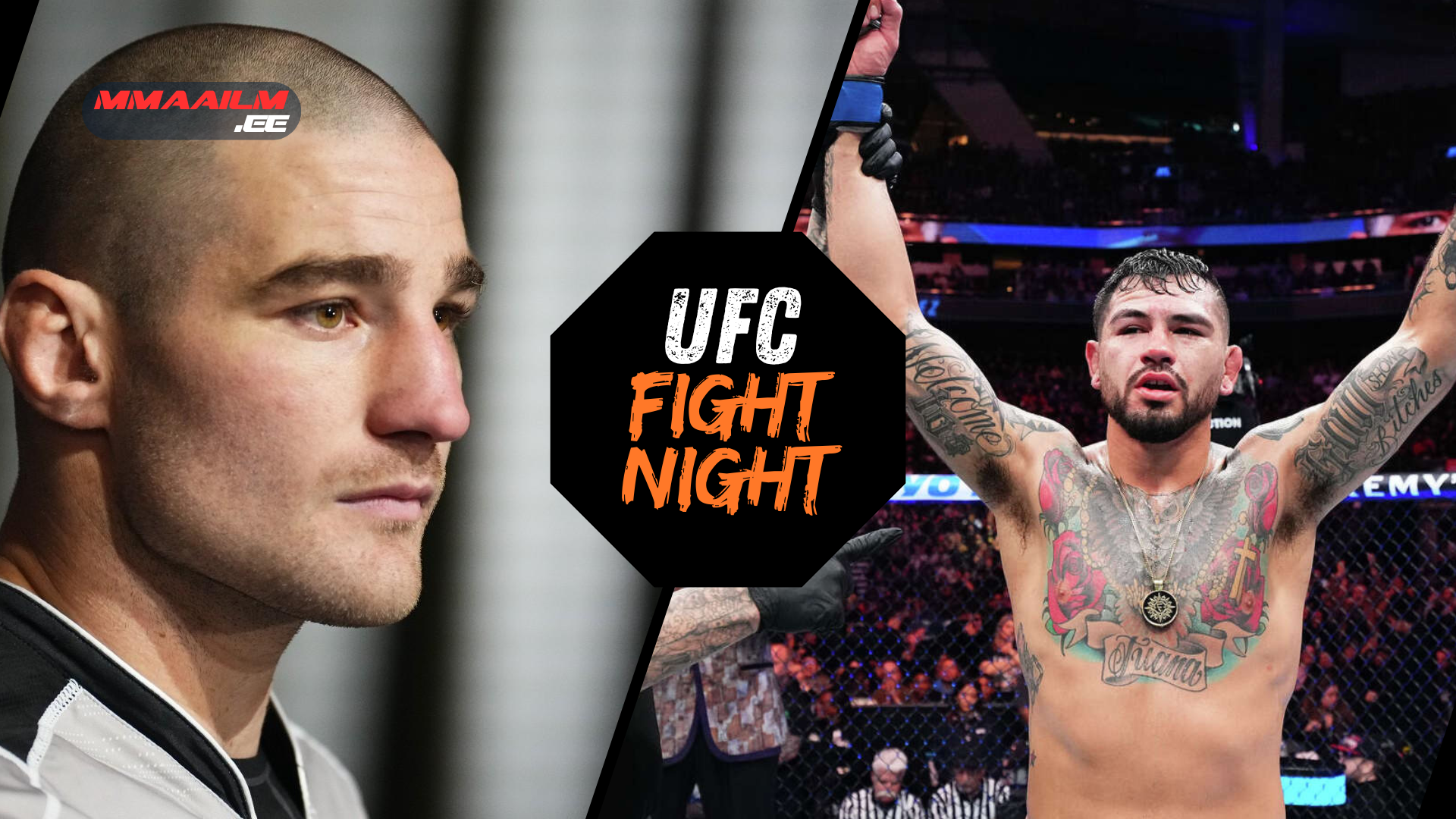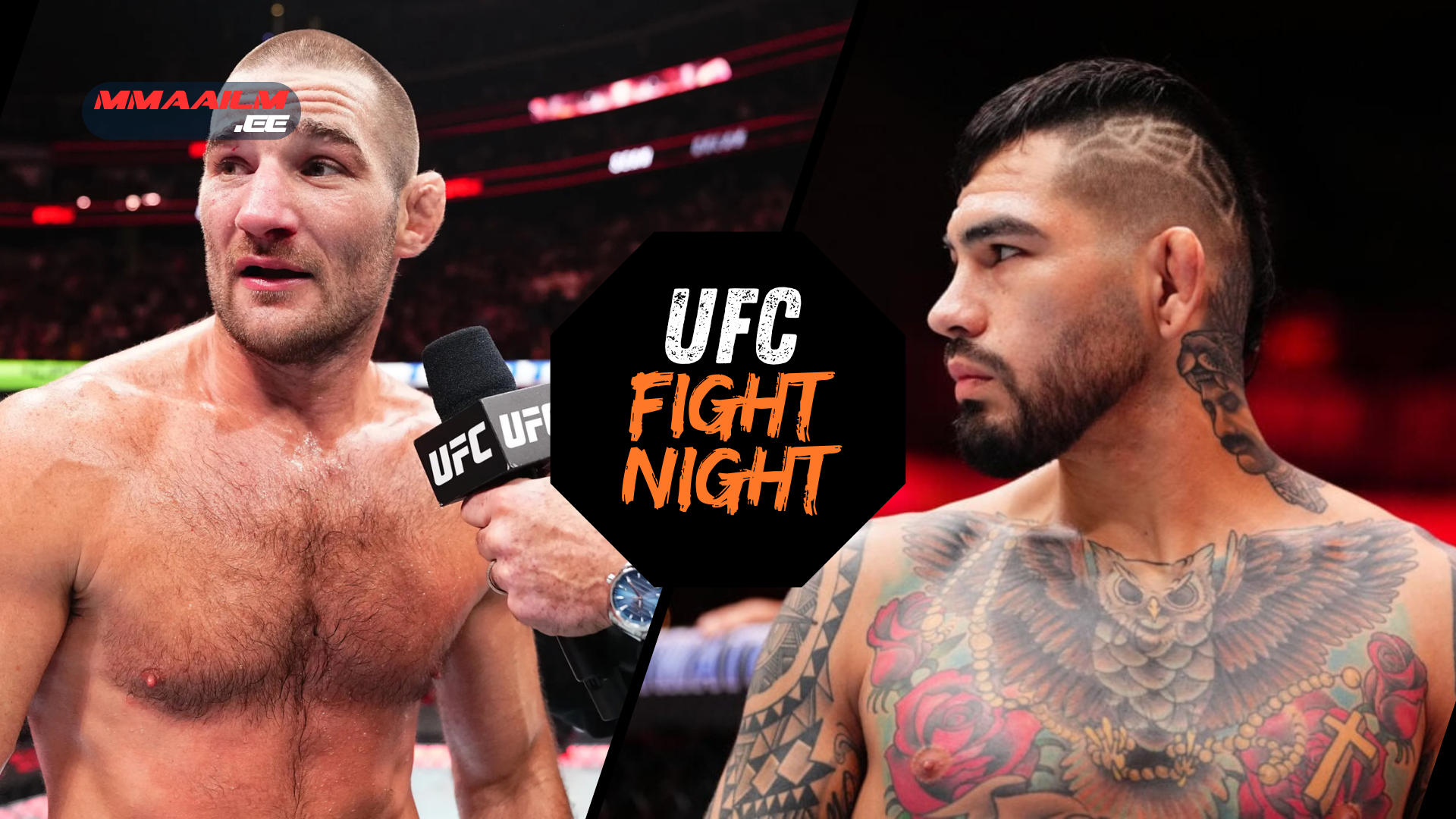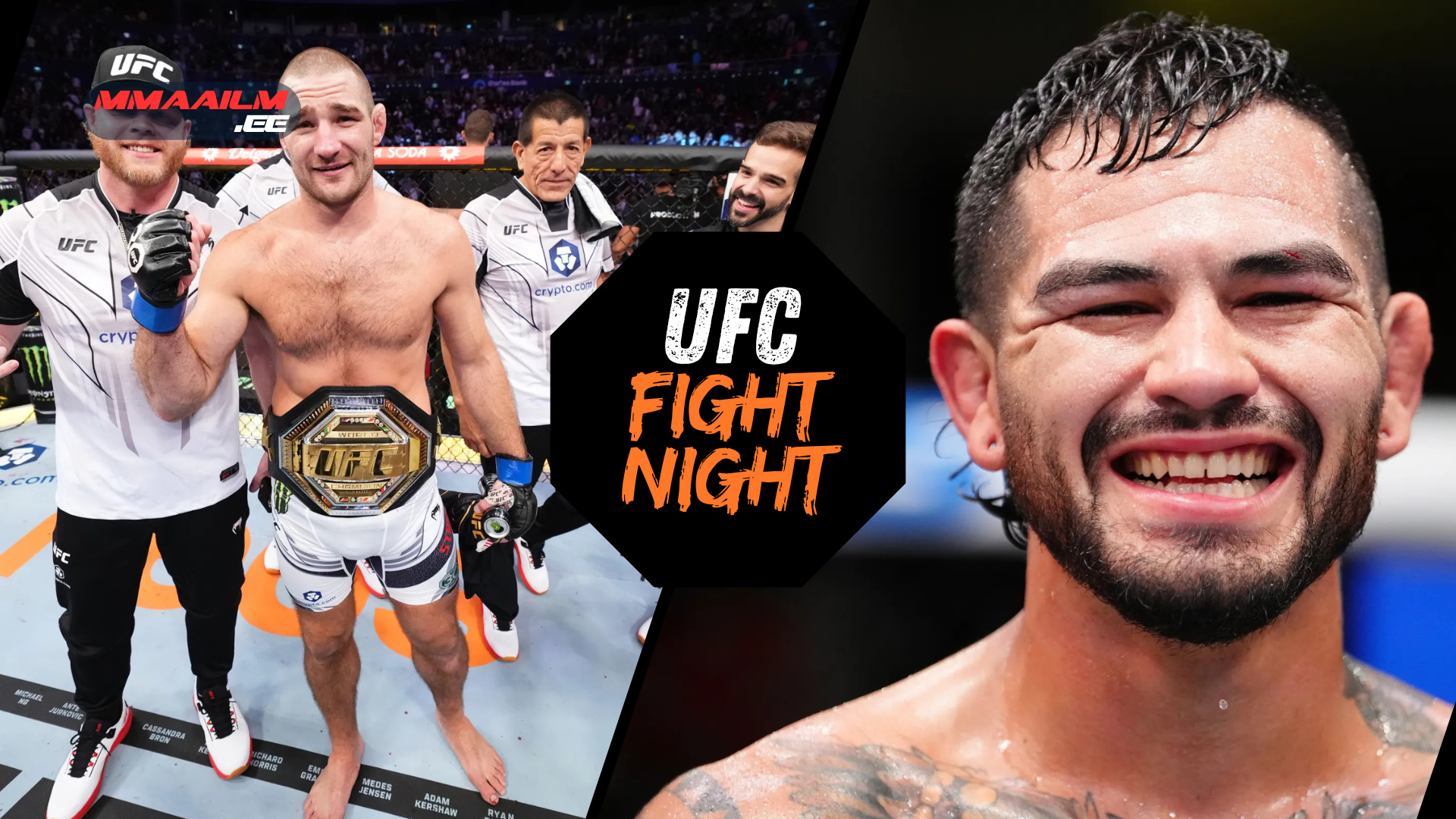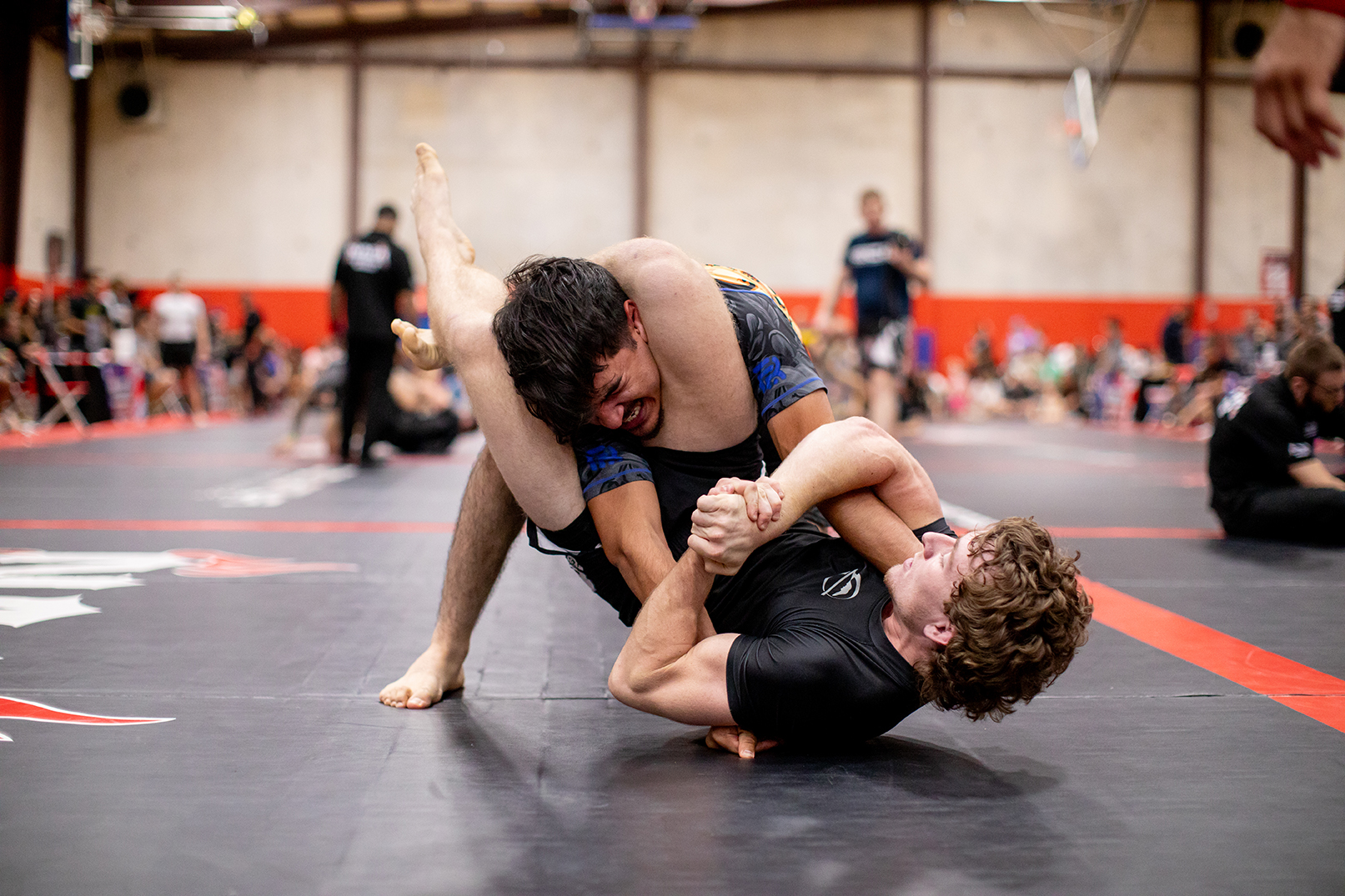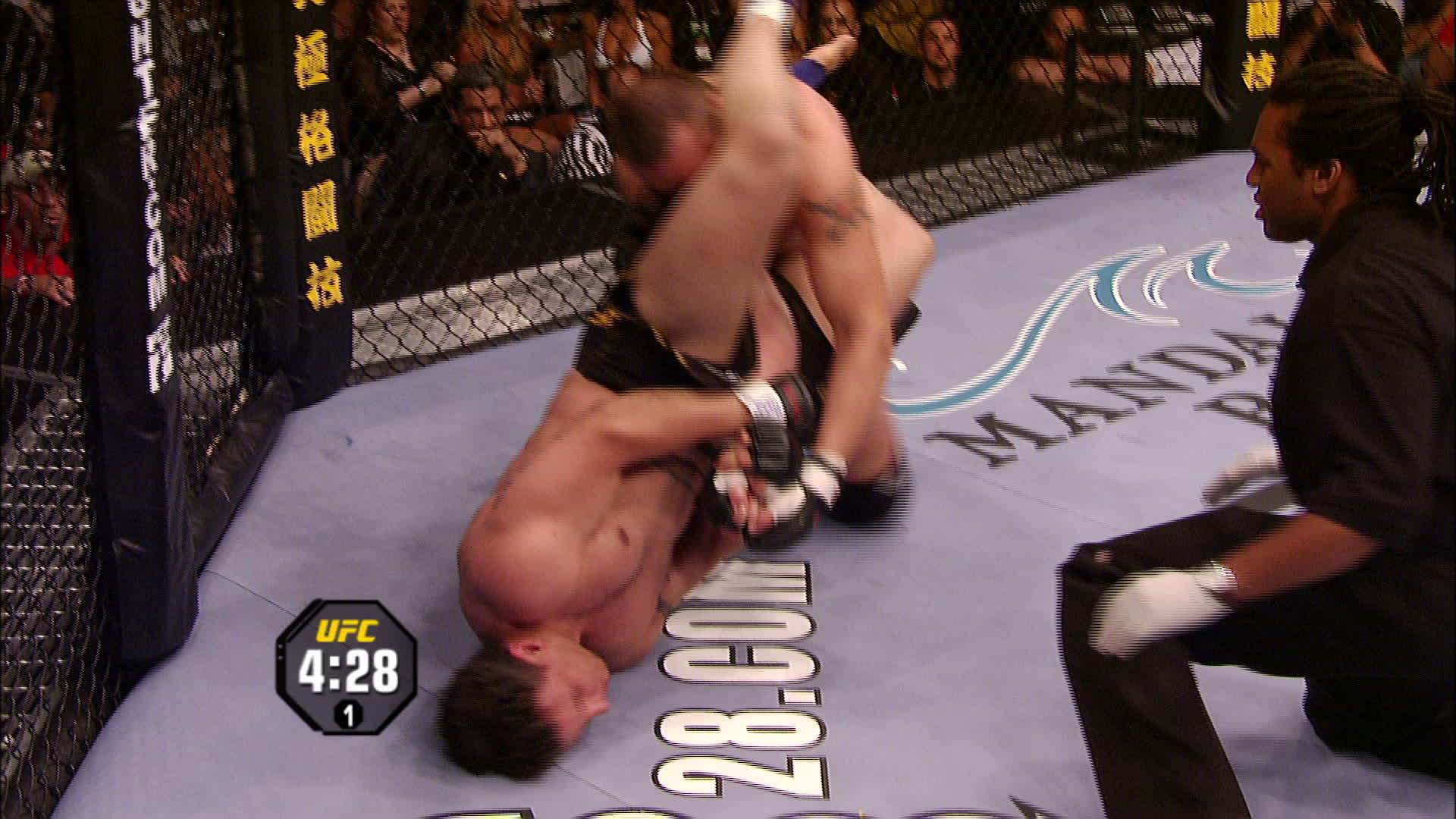
This Saturday night, the octagon touches down in the Toyota Center for UFC Fight Night: Strickland vs. Hernandez, a main event that promises to be a grueling test of will, conditioning, and stylistic supremacy. We are back in Houston, Texas, a city known for hosting slugfests, but this middleweight clash offers something more cerebral: a battle between the immovable object’s defense and the unstoppable force’s pace.
On one side, we have the former middleweight champion, Sean Strickland. Known for his upright stance, relentless jab, and defensive wizardry, Strickland has frustrated the division’s best strikers. On the other, we have Anthony “Fluffy” Hernandez, a grappling machine who doesn’t just look for takedowns—he drowns opponents in them. With the oddsmakers surprisingly favoring the rising contender Hernandez, this matchup has become one of the most intriguing tactical puzzles of the year.
In this comprehensive breakdown, we will dissect the technical nuances of Strickland’s “Philly Shell” implementation in MMA, analyze Hernandez’s record-breaking grappling pace, and determine who will survive the deep waters in Houston. Whether you are a hardcore fan or looking for UFC Fight Night preview insights, this guide covers it all.
The Narrative: A clash of Infinite Gas Tanks
It is rare to see a fight where both competitors weaponize cardio as their primary attribute, yet they do it in completely opposite ways. Sean Strickland uses his cardio to maintain a constant, suffocating pressure on the feet. He never explodes; he simmers. He walks opponents down behind a rhythmic jab and teep kick, forcing them to work while he efficiently parries and checks shots.
Anthony Hernandez, conversely, uses his energy systems to create chaos. He is not interested in a simmering pot; he wants the kitchen on fire. Averaging a staggering 6.46 takedowns per 15 minutes, Hernandez forces scrambles until his opponent’s lungs give out. The question for Saturday is simple: Can Strickland’s efficient boxing keep Hernandez at bay, or will “Fluffy” drag the former champ into a drowning pool of grappling exchanges?
Sean Strickland: The Art of the MMA Philly Shell
Sean Strickland is often criticized for his “sparring” style, but this critique misses the genius of his defense. Strickland utilizes a modified version of the Philly Shell, a boxing guard made famous by legends like James Toney and Floyd Mayweather, but adapted for the threats of MMA.
The Defensive Wall
Strickland stands tall, almost completely upright. This defies traditional MMA logic, which suggests a lower stance to defend takedowns. However, Strickland compensates with exceptional hand fighting and distance management. He keeps his lead hand low to dig for underhooks or parry body shots, while his rear hand catches jabs and crosses. His ability to check calf kicks by simply lifting his lead leg without breaking stance is a masterclass in efficiency.
- Stat Check: Strickland absorbs only 4.57 significant strikes per minute despite constantly moving forward. His defense rate sits at a lofty 60%+, largely due to his parrying ability.
- The Jab: Strickland’s offense is built entirely around his jab. It isn’t a power punch; it’s a blinder. He touches his opponent’s guard, disrupts their rhythm, and then fires a straight right down the pipe. For a deeper dive into these mechanics, check out our guide on boxing for MMA techniques.
The Anti-Wrestler
Strickland holds a takedown defense of 76%. He doesn’t sprawl in the traditional sense; he relies on framing. When a wrestler shoots, Strickland digs an underhook and pivots out, or he simply refuses to accept bottom position, using the cage to wall-walk immediately. Against Hernandez, this “get-up” game will be tested like never before.
Anthony Hernandez: Weaponizing Pace and Chaos
Anthony Hernandez is a statistical anomaly. Most fighters slow down as they wrestle; Hernandez speeds up. His nickname “Fluffy” belies a ferocious style reminiscent of a prime Cain Velasquez or Merab Dvalishvili. He doesn’t just want to take you down; he wants to break your will.
The Chain Wrestling Threat
Unlike traditional wrestlers who shoot a double leg and settle into guard, Hernandez chains his attempts. If the double leg fails, he switches to a single. If that fails, he moves to a body lock or a clinch situation. This relentless chain wrestling forces opponents to defend constantly, draining their anaerobic gas tanks while Hernandez remains comfortable.
- Submission Threat: Hernandez averages 1.8 submission attempts per 15 minutes. He is particularly dangerous with the guillotine choke, often snatching necks in transition.
- Ground and Pound: Once on top, Hernandez creates openings for submissions by raining down elbows and punches. His style exemplifies the modern evolution of ground and pound, where damage leads to positional advancement.
Technical Key Factors
1. The Open Space vs. The Fence
Strickland needs this fight to happen in the center of the Octagon. Here, he can use his teep kick to manage distance and punish Hernandez for entering. If Hernandez can back Strickland to the fence—something Strickland often does voluntarily to pressure opponents—the dynamic shifts. Against the fence, Hernandez’s chain wrestling becomes exponentially more effective.
2. The Cardio Equation
Both men have five-round cardio, but they burn fuel differently. Strickland is a diesel engine—steady, efficient, and reliable. Hernandez is a fusion reactor—high output, volatile, and overwhelming. If the fight goes to the fourth and fifth rounds, watch for who controls the center. If Strickland is still popping the jab, he wins. If Hernandez is still shooting double legs, Strickland is in trouble.
3. Damage vs. Control
Modern MMA scoring prioritizes effective damage. Strickland’s volume often sways judges, even if the shots aren’t concussive. Hernandez relies on control time and cumulative damage. He must ensure he isn’t just holding Strickland down but actively hurting him to win rounds on the scorecards.
Prediction: Who Leaves Houston with the W?
This fight is a classic striker vs. grappler matchup with a twist: the striker has elite takedown defense, and the grappler has infinite cardio. The odds favoring Hernandez (-255) reflect the market’s belief that his pressure will be too much for Strickland (+215).
However, there is value on the underdog here. Strickland has faced elite grapplers before and consistently keeps the fight standing. His upright posture makes him vulnerable to leg kicks, but Hernandez is not known for a devastating kicking game. Strickland’s ability to frame and pivot could neutralize Hernandez’s initial entries.
The Verdict: Expect Hernandez to have success early, perhaps securing a takedown in round one or two. But as the fight progresses, Strickland’s efficiency should take over. Hernandez relies on opponents wilting; Strickland does not wilt. Look for Strickland to survive the early storms, stuff the takedowns in the championship rounds, and take over with volume striking.
Prediction: Sean Strickland via Split Decision.
FAQ: UFC Fight Night and MMA Strategy
What makes the “Philly Shell” dangerous in MMA?
The Philly Shell is risky in MMA because it leaves the lead leg exposed to kicks and the head vulnerable to head kicks if the shoulder roll isn’t perfect. However, fighters like Sean Strickland use it effectively to deflect punches and conserve energy, allowing them to maintain a high output for five rounds.
How is cardio measured in MMA fighters?
Cardio in MMA is a mix of aerobic (long duration) and anaerobic (short bursts) capacity. Fighters like Hernandez excel in anaerobic recovery, allowing them to sprint, wrestle, and recover quickly. Strickland relies more on aerobic efficiency, staying calm and keeping his heart rate lower.
Why is wrestling considered the best base for MMA?
Wrestling allows a fighter to dictate where the fight takes place. A superior wrestler can choose to take the fight to the ground or keep it standing (using defensive wrestling). This control over the “terms of engagement” is why wrestling is often cited as the most dominant base in the sport.
Where can I watch UFC Fight Night: Strickland vs. Hernandez?
The event will be broadcast live from the Toyota Center in Houston. Check your local listings or the UFC Fight Pass schedule. For international viewers, including those in Estonia, main cards typically stream on Viaplay or Go3 Sport depending on regional rights.
What are the odds for Strickland vs. Hernandez?
As of fight week, Anthony Hernandez is the favorite, sitting around -255, while Sean Strickland is the underdog at +215. These lines suggest bookmakers believe Hernandez’s grappling advantage is significant enough to control the bout.