The Great One Reigns Supreme on Home Soil
In a masterclass of striking intelligence and defensive grappling, Alexander Volkanovski defended his featherweight throne for the second time in his current reign, defeating Diego Lopes via a decisive Unanimous Decision (49-46, 49-46, 50-45) at UFC 325 in Sydney. Returning to the Qudos Bank Arena, the very ground where he has cemented so much of his legacy, “The Great” proved once again why he is arguably the greatest 145-pound fighter to ever grace the Octagon.
The atmosphere was electric, a deafening sea of gold and green, as the Australian legend walked out to neutralize one of the most dangerous finishers the division has seen in years. This wasn’t just a win; it was a statement. Volkanovski didn’t just survive the chaotic grappling exchanges that define Diego Lopes’ game—he dismantled them.
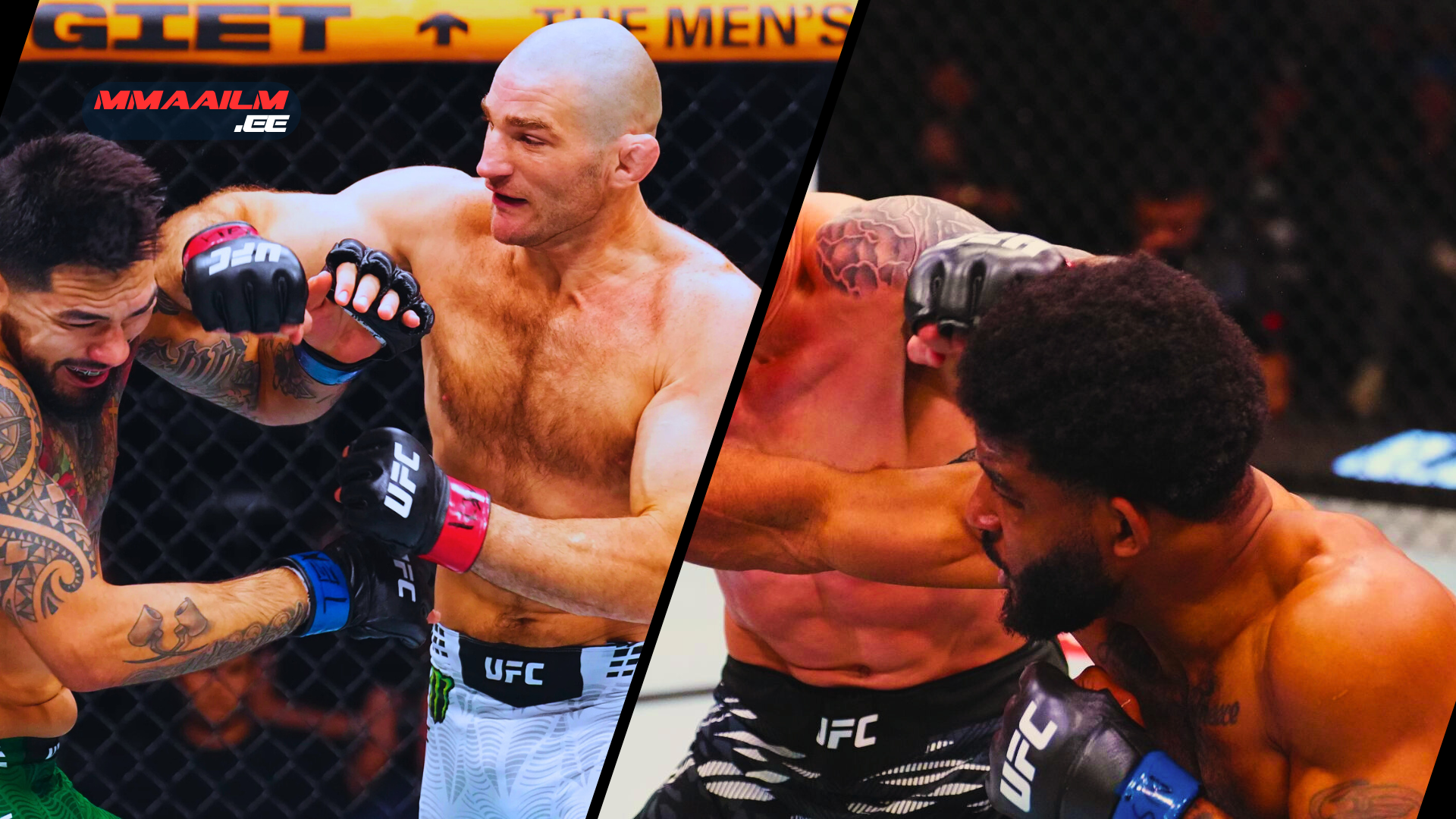
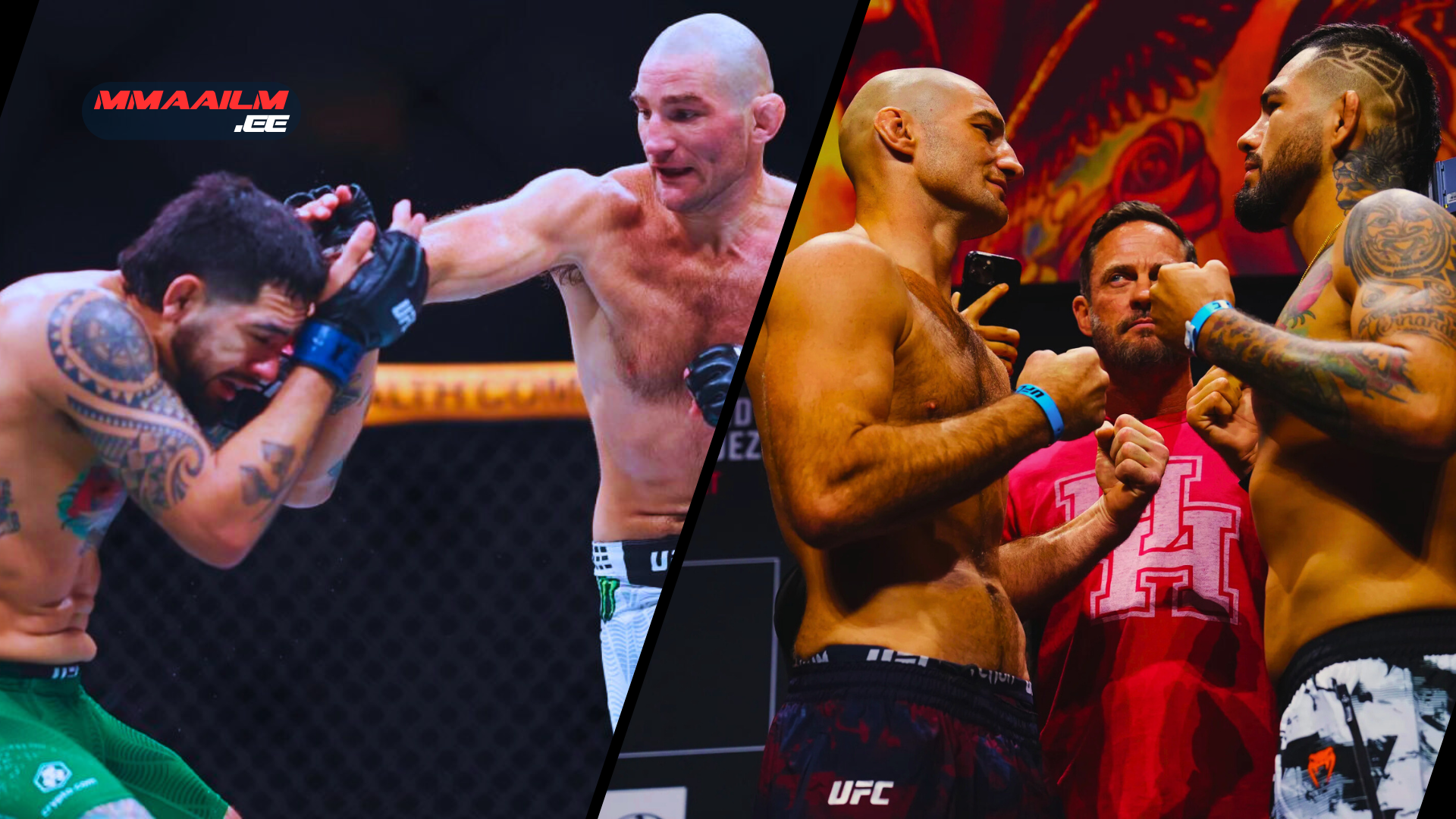
For fans analyzing the UFC 325 results, the scorecards tell a story of dominance, but the fight itself was a high-level chess match played at a furious pace. From neutralizing submission threats to recovering from a flash knockdown in the third round, Volkanovski showed the resilience and fight IQ that have become his trademarks.
Main Event Breakdown: Volkanovski vs. Lopes 2
Round-by-Round Analysis
The rematch was built on the narrative of chaos vs. order. Diego Lopes, known for his explosive first-round finishes and dynamic submission game, looked to drag the champion into a brawl. Volkanovski, however, had a different plan.
- Rounds 1-2: Volkanovski established his range early, utilizing his signature low kicks and feints to freeze Lopes. The champion’s footwork was impeccable, cutting angles that left Lopes firing at air. Lopes attempted to pull guard twice, but Volkanovski’s hips were heavy, and he punished the Brazilian with ground-and-pound before standing back up.
- Round 3: The turning point of drama. Lopes landed a crisp check hook that momentarily sat Volkanovski down. It was a flash knockdown, reminiscent of the Islam Makhachev head kick, but Volkanovski’s recovery was instantaneous. He scrambled, reversed position, and ended the round raining down elbows from the clinch.
- Rounds 4-5: Championship mettle took over. As Lopes faded, Volkanovski’s cardio—often cited as the best in the sport—shined. He mixed in takedowns of his own, not to grapple, but to disrupt Lopes’ rhythm. A late armbar attempt by Lopes in the final minute drew a collective gasp from the Sydney crowd, but Alexander Volkanovski calmly stacked him, extracted his arm, and finished the fight on top.
Technical Deep Dive: Neutralizing the BJJ Threat
The most impressive aspect of this victory was how Volkanovski handled Lopes’ guard. In their first meeting, Lopes found success creating scrambles. Here, Volkanovski applied the “prevention over cure” strategy he perfected against Brian Ortega.
Whenever Lopes looked to elevate his hips for a triangle or armbar, Volkanovski would frame against the hips and posture up, denying the connection needed for the submission to lock. It was a technical masterclass similar to his performance against Islam Makhachev in their first bout, proving that Volkanovski’s defensive grappling is elite.
Co-Main Event: Benoit Saint-Denis Overwhelms Hooker
In the co-main event, the lightweight division saw a changing of the guard or perhaps just a violent reminder of its depth. Benoit Saint-Denis secured a TKO victory over fan-favorite Dan Hooker in the second round. Saint-Denis, the “God of War,” lived up to his moniker, walking through Hooker’s pinpoint knees to force a close-quarters war that Hooker simply couldn’t sustain.
Hooker looked sharp early, landing calf kicks that visibly bothered the Frenchman. However, Saint-Denis’s pressure is a unique puzzle. He absorbed damage to close the distance, securing a body lock takedown in round two that led to the finish. Once on the mat, his relentless top pressure suffocated Hooker, leading to a stoppage via ground strikes.
Rest of the Main Card: Knockouts and Submissions
The undercard delivered fireworks that kept the Australian crowd on their feet.
Teixeira vs. Tuivasa
Heavyweight prospect Tallison Teixeira spoiled the party for Tai Tuivasa, winning a Unanimous Decision. Teixeira used his massive reach advantage to jab Tuivasa from the outside, avoiding the “Shoey” celebration opportunity. Tuivasa tried to close the distance with looping overhands, but Teixeira’s discipline held firm.
Ruffy vs. Fiziev
In a shocking upset, Mauricio Ruffy defeated Rafael Fiziev via TKO in Round 2. Ruffy, often compared to a young Conor McGregor for his striking fluidity, caught Fiziev with a counter straight left that sent the “Ataman” crashing to the canvas. This win vaults Ruffy immediately into the lightweight top 10 conversation.
Salkilld vs. Mullarkey
Opening the main card, Quillan Salkilld wasted no time, submitting Jamie Mullarkey in the first round. Salkilld jumped a guillotine in transition, a risky move that paid off beautifully, forcing the tap at 3:02 of Round 1.
Historical Context: Volkanovski’s Legacy
With this victory, Alexander Volkanovski has further solidified his argument for the featherweight GOAT status. While Jose Aldo’s reign was legendary for its longevity, Volkanovski’s level of competition—beating Holloway three times, Ortega, and now Lopes twice—is unprecedented.
He is now tied with Aldo for the most title defenses in UFC featherweight history (depending on how you count the interim unification bouts, some stats have him surpassing). More importantly, he has done this while flirting with the lightweight division, showing a versatility we rarely see. For fans tracking the mmaailm.ee result, this fight will go down as the night Volkanovski proved that age is just a number at 145 pounds.
Prelim Highlights
The prelims were a showcase of Oceania’s rising talent:
- Billy Elekana submitted Junior Tafa via rear-naked choke in Round 2, showing surprising grappling prowess for a striker.
- Cam Rowston lit up Cody Brundage for a TKO finish, using crisp boxing to overwhelm the American.
- Kaan Ofli edged out Yi Zha in a razor-thin Majority Decision that had social media buzzing about the judging criteria.
What’s Next for the Featherweight Division?
With Lopes now 0-2 against the champ, the door is wide open for a new contender. Movsar Evloev remains a looming threat with his wrestling-heavy style, potentially offering the stylistic clash fans are dying to see.
FAQ: Understanding UFC Scoring and Matchups
How is a Unanimous Decision different from a Split Decision?
A Unanimous Decision means all three judges scored the fight for the same winner (e.g., Volkanovski). A Split Decision occurs when two judges score it for one fighter, and the third judge scores it for the opponent. In Volkanovski vs. Lopes 2, the decision was unanimous, leaving no doubt about the victor.
Why is Alexander Volkanovski considered the Featherweight GOAT?
Volkanovski’s claim to “Greatest of All Time” status comes from his strength of schedule. He holds three wins over Max Holloway (another GOAT contender), wins over Brian Ortega and Jose Aldo, and has displayed a complete MMA game that blends elite wrestling defense with world-class striking.
What does a “Flash Knockdown” mean in MMA?
A flash knockdown is when a fighter is knocked off their feet by a strike but recovers almost immediately, showing little to no sign of being concussed or disoriented. Lopes landed one on Volkanovski in Round 3, but the champ popped right back up, indicating his durability.
Where can I find full results for UFC events in Estonia?
For detailed breakdowns and local context, you can always check the latest updates on our results page. We cover major global events with a focus on how they impact the European and Baltic MMA scenes.
Is cutting weight dangerous for fighters like Dan Hooker?
Yes, extreme weight cutting is one of the most dangerous aspects of the sport. Dan Hooker has famously cut to 145 lbs in the past but now competes at 155 lbs (lightweight) to preserve his health and performance. The dehydration process can affect durability, which is why many fighters eventually move up in weight class as they age.