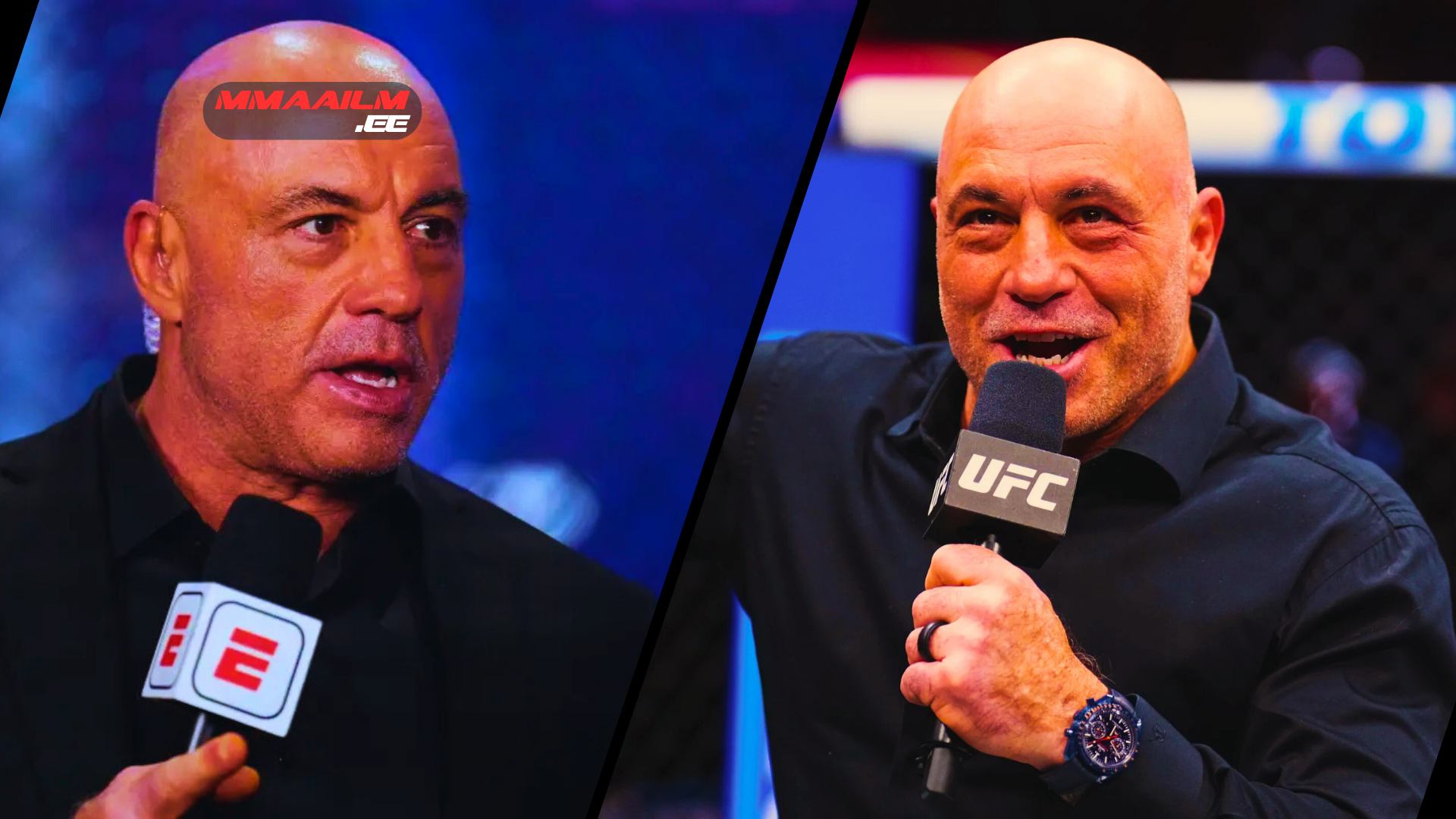
If you were inside the T-Mobile Arena on Saturday night or watching the broadcast from home, you heard it. The low, rumbling groan that eventually swelled into a chorus of boos during the championship rounds of UFC 326: Holloway vs. Oliveira 2. And if you were listening to the commentary, you heard Joe Rogan’s familiar defense mechanism kick in.
“These fans are casuals,” Rogan muttered as Charles Oliveira secured his fifth takedown and settled into Holloway’s guard for the remainder of the fourth round. “They don’t understand the high-level chess match happening right now. This is elite grappling.”
With all due respect to the voice of the UFC, Joe Rogan is dead wrong. The fans at UFC 326 weren’t booing because they don’t understand Jiu-Jitsu. They weren’t booing because they are “casuals” who only want to see haymakers. They were booing because they were sold a “BMF” title fight—a belt explicitly created to honor violence, grit, and war—and instead, they were served a 25-minute display of risk-averse position holding.
The “casual” slur is a convenient shield for commentary teams to hide behind when a fight fails to deliver on its promise. But in this specific case, criticizing the paying customer for demanding what was advertised isn’t just elitist; it’s completely out of touch with the reality of the sport in 2026.
The “BMF” Contract: Violence vs. Strategy
To understand why the reaction at UFC 326 was justified, we have to look at the context of the BMF belt. This isn’t the Undisputed Lightweight Championship, where the only goal is to win by any means necessary under the unified rules of MMA scoring. The BMF title has a different social contract attached to it.
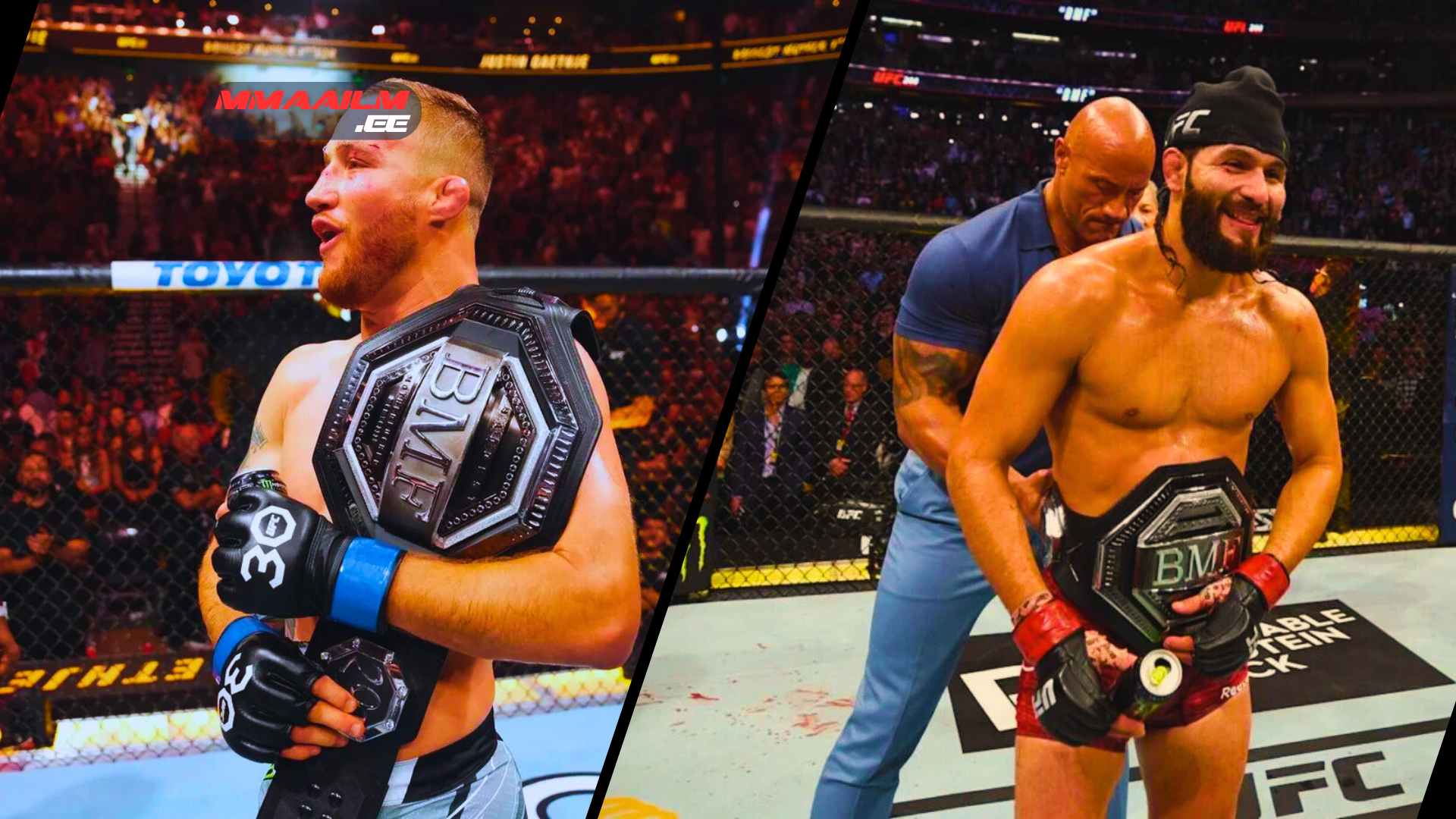
When the UFC resurrected this belt for fights like Gaethje vs. Holloway, the implicit agreement was simple: Violence takes precedence over safety.
Fans paid premium prices—tickets at the T-Mobile Arena started at over $400 for nosebleed seats—because they expected a war. They expected the Charles Oliveira who walks forward like a zombie into fire. They expected the Max Holloway who points to the center of the octagon to bang. Instead, they got a tactical neutralization that, while impressive on a spreadsheet, betrayed the spirit of the BMF strap.
- The Expectation: A chaotic brawl reminiscent of previous BMF legacy fights.
- The Reality: 20 minutes of ground control time with minimal ground-and-pound damage.
It is not “casual” to be disappointed when you order a steak and get a bowl of plain oatmeal, even if that oatmeal is nutritious and prepared by a world-class chef.
Anatomy of a Snoozefest: Breaking Down the Main Event
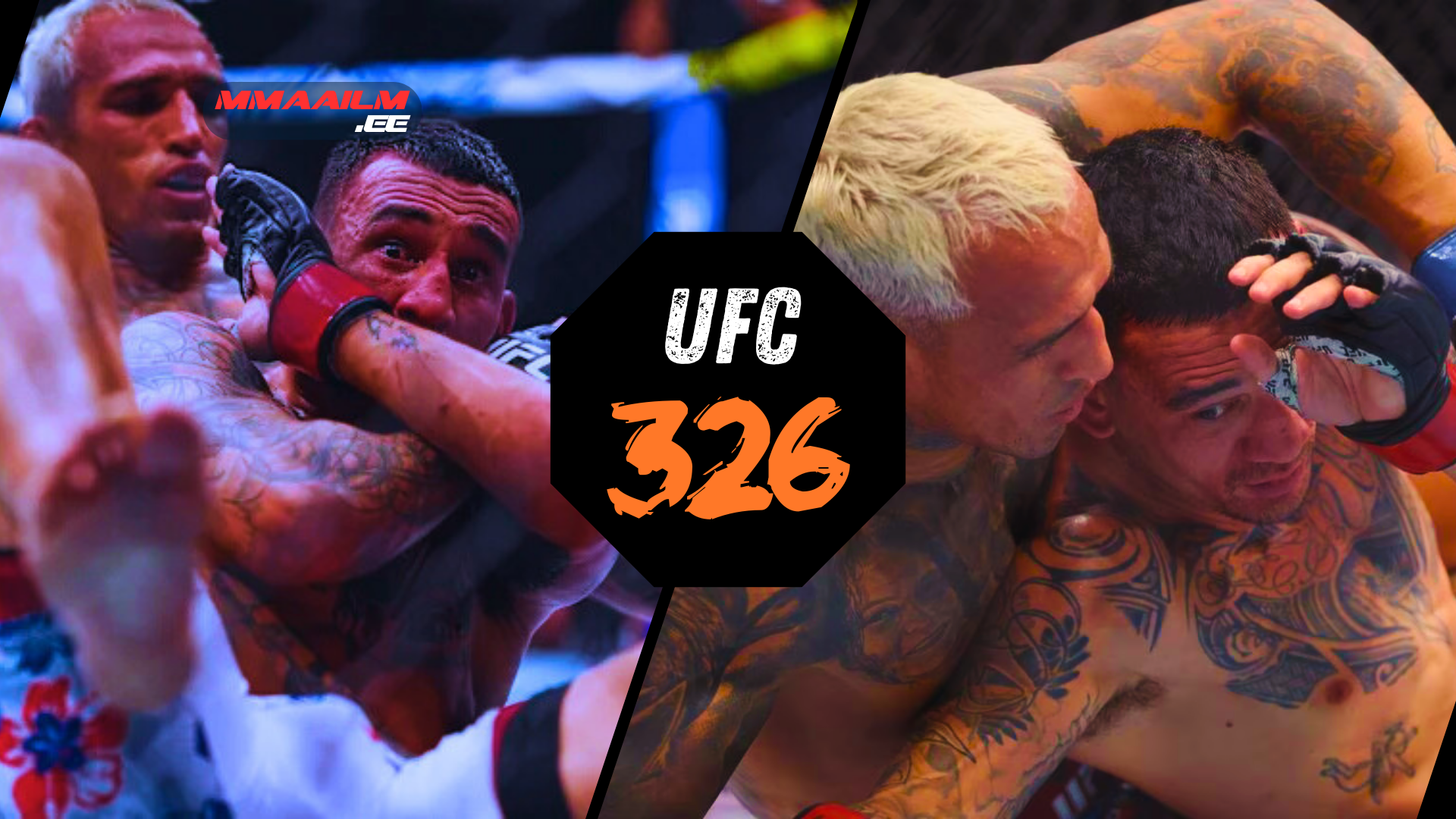
Let’s look at the technical reality of what Rogan called a “chess match.” Charles Oliveira is the greatest submission artist in UFC history. His record is built on snapping limbs and choking necks. But at UFC 326, “Do Bronx” fought with a hesitation we rarely see.
After securing early takedowns, Oliveira seemed content to ride out the clock. According to the live stats, Oliveira racked up over 20 minutes of control time but attempted only four submissions—most of them half-hearted guillotine attempts during transitions. For long stretches, he held Holloway in a body triangle, neutralizing Max’s ability to stand up but refusing to risk his position to chase a finish.
This is where the criticism of Rogan’s commentary holds weight. There is a massive difference between active cage wrestling that leads to damage, and “wet blanket” tactics designed to stall the action. Fans have cheered for grappling-heavy performances before—look at Islam Makhachev’s wars or Arman Tsarukyan’s scrambles. Those fighters use grappling to inflict pain or end the fight.
At UFC 326, Oliveira used grappling to prevent a fight from breaking out. He nullified Holloway’s boxing by gluing him to the mat, but he didn’t offer any offense of his own. In the context of modern MMA scoring criteria, “effective grappling” requires meaningful attacks. Holding a position without advancing or damaging is technically control, but it is visually indistinguishable from stalling to the average viewer.
The “Casual” Fallacy: Why Elitism Hurts the Sport
Joe Rogan’s default defense of boring grappling is to shame the audience for not appreciating the nuances of wrist control and hip pressure. “If you don’t like this, go watch kickboxing,” is a common refrain.
This attitude is dangerous for the growth of MMA. The sport relies on the energy of the crowd. The reason the UFC exploded in popularity wasn’t because of positional dominance; it was because of the visceral excitement of the evolution of combat. When a commentator tells millions of viewers that their boredom is a sign of their own ignorance, it alienates the very base that funds the sport.
Furthermore, MMA fans are more educated today than ever before. We understand what a Kimura trap is. We know the difference between open and closed guard. The crowd at UFC 326 wasn’t booing because they didn’t understand what Oliveira was doing; they were booing because they understood exactly what he was doing—gaming the rules to secure a decision win in a fight marketed as a battle for the soul of violence.
The Economics of Fandom: Paying Customers Have a Voice
We must also address the financial reality. A UFC Pay-Per-View is an expensive product. The total cost to watch UFC 326 at home, combined with the ESPN+ subscription, is a significant investment for many households. For those in the arena, the cost of flights, hotels, and tickets can run into the thousands.
When a consumer pays that kind of money based on a specific marketing promise (the “BMF” label), they have purchased the right to voice their dissatisfaction. It is the only feedback mechanism they have. If the main event of a blockbuster card turns into a sparring session with big gloves, silence is not the appropriate response. Booing is the market correcting the product.
Comparing this to other sports: if a football team takes a knee on every play to run out the clock for an entire fourth quarter, the fans will boo. It doesn’t mean they don’t understand football strategy; it means they hate watching a team refuse to play the game.
What This Means for the BMF Title Future
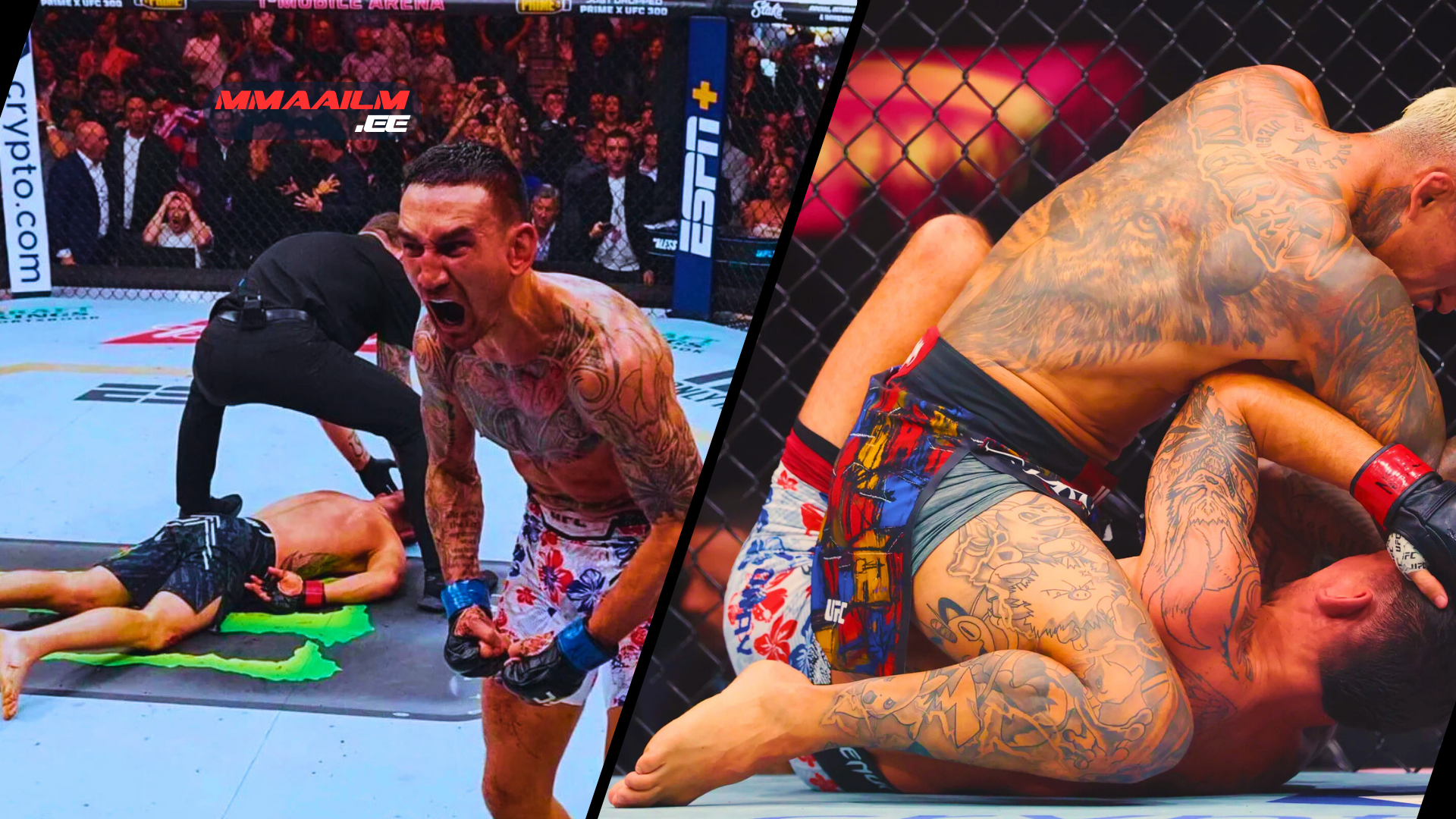
Max Holloway’s reign as the BMF champion brought prestige to the belt because he embodied its ethos—recall the last-second knockout of Justin Gaethje at UFC 300. By losing the belt in a fight devoid of that spirit, the title itself takes a hit.
Charles Oliveira is a legend, and his resume speaks for itself. A tactical win over Max Holloway is a massive feather in his cap for his legitimate title aspirations. But as the holder of the BMF belt? This performance will always have an asterisk in the eyes of the fans.
Joe Rogan can call us casuals all he wants. But when 20,000 people agree that something is boring, maybe the problem isn’t the audience. Maybe the problem is a commentary booth that refuses to admit when a fight just isn’t very good.
FAQ: UFC 326 and Fan Etiquette
Is it disrespectful to boo fighters?
While fighters put their health on the line and deserve respect, booing is a recognized part of sports culture. It is usually directed at the action (or lack thereof) rather than the individual. In the case of UFC 326, the boos were directed at the stalling tactics rather than Oliveira personally.
What does “Control Time” mean in MMA scoring?
Control time refers to the duration a fighter holds a dominant position (like top mount or back control). However, under the current Unified Rules, control time is only a secondary scoring criteria. It should only decide the round if striking and grappling impact are completely equal. Many argue that holding position without damage shouldn’t win rounds.
What is the BMF Belt?
The “Baddest Motherf*cker” belt is a symbolic title in the UFC, originally created for Jorge Masvidal vs. Nate Diaz. It is not based on weight class rankings but rather on a fighter’s reputation for exciting, violent, and high-stakes fighting styles. It sits outside the normal championship lineage.
Why did Joe Rogan call the fans casuals?
Joe Rogan is a lifelong martial artist and a high-level Brazilian Jiu-Jitsu black belt. He deeply appreciates the technical difficulty of holding down an elite fighter like Max Holloway. From his perspective, the neutralization is beautiful technique. However, this often disconnects him from the entertainment value sought by the general audience.