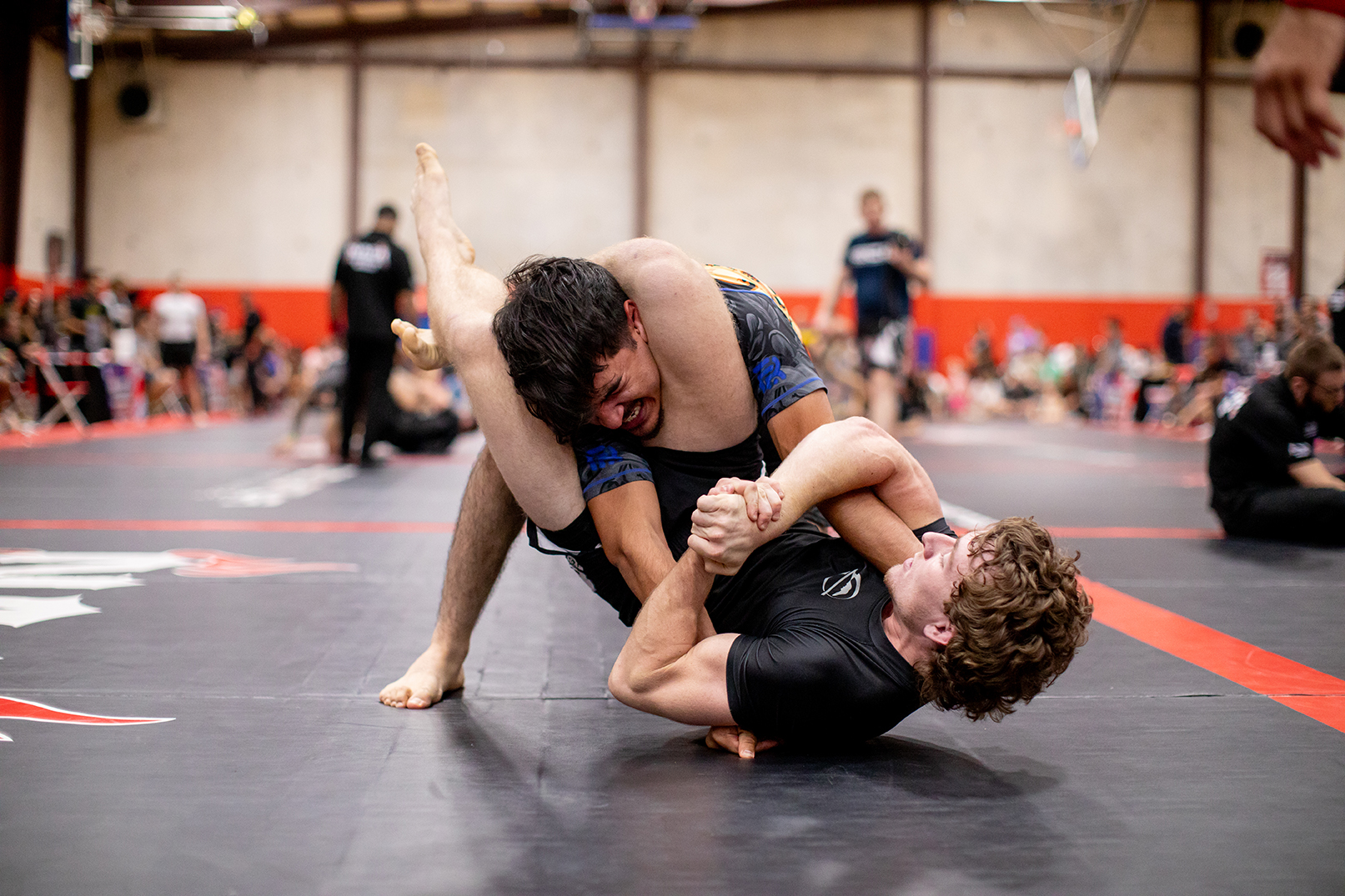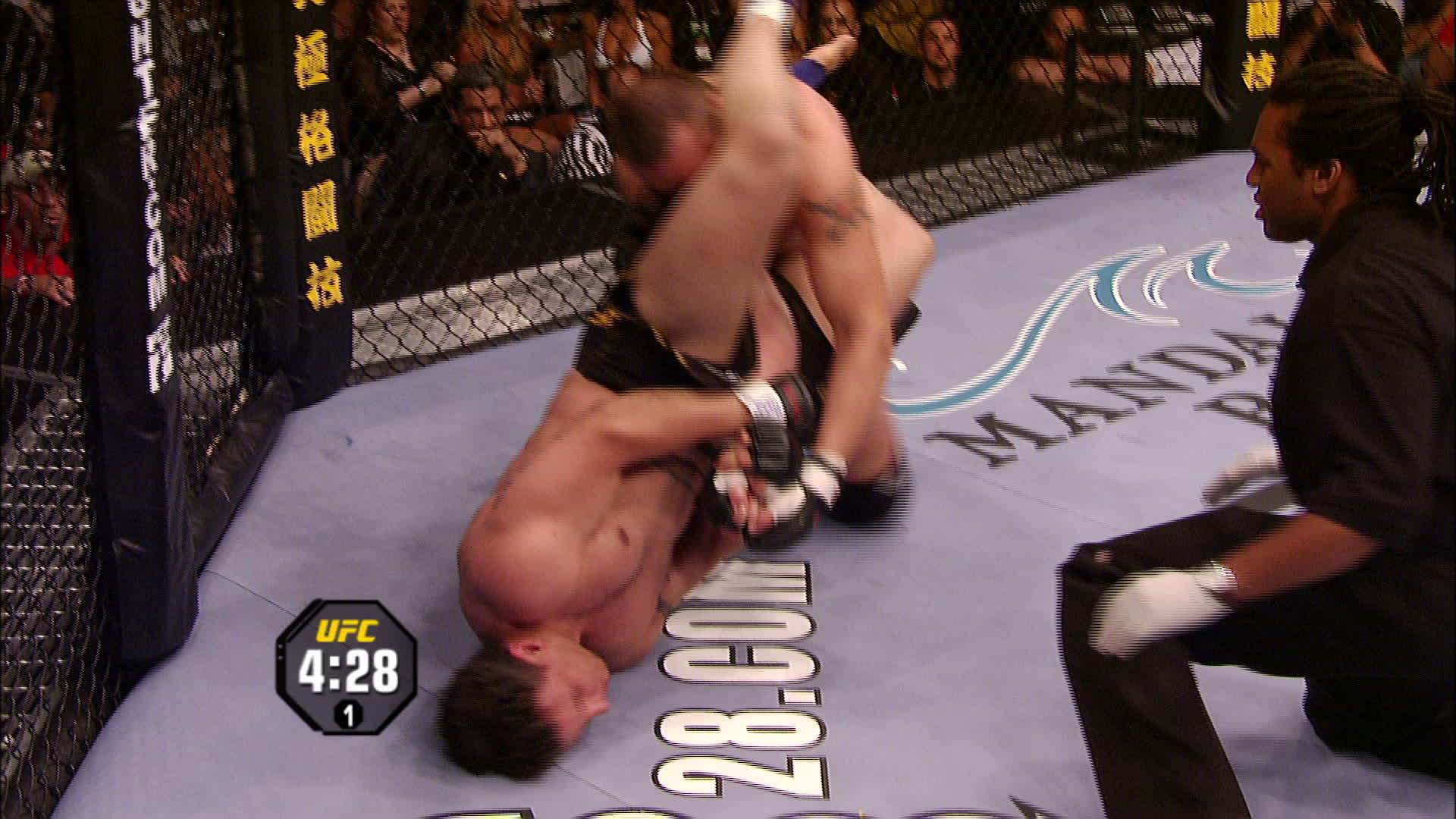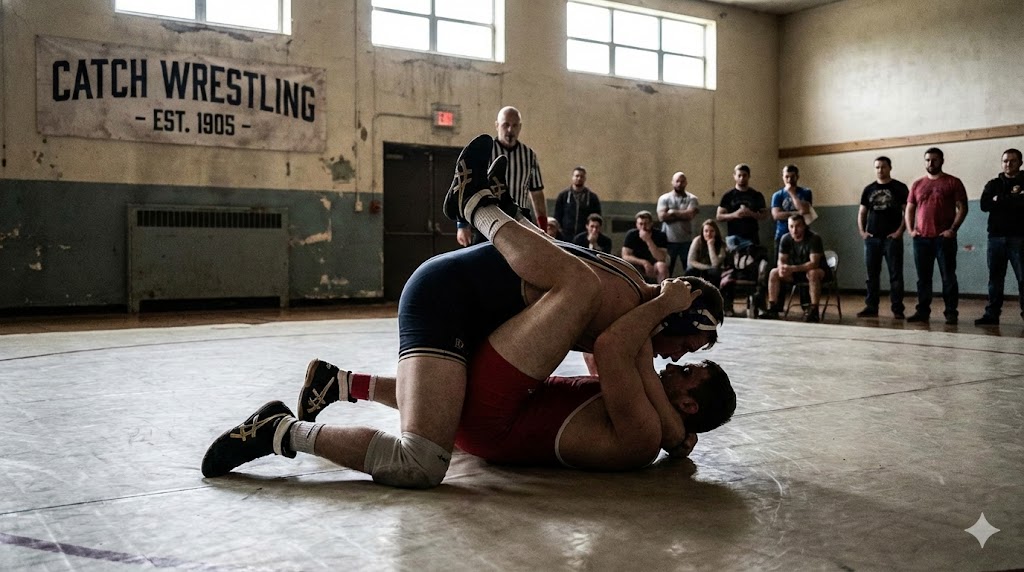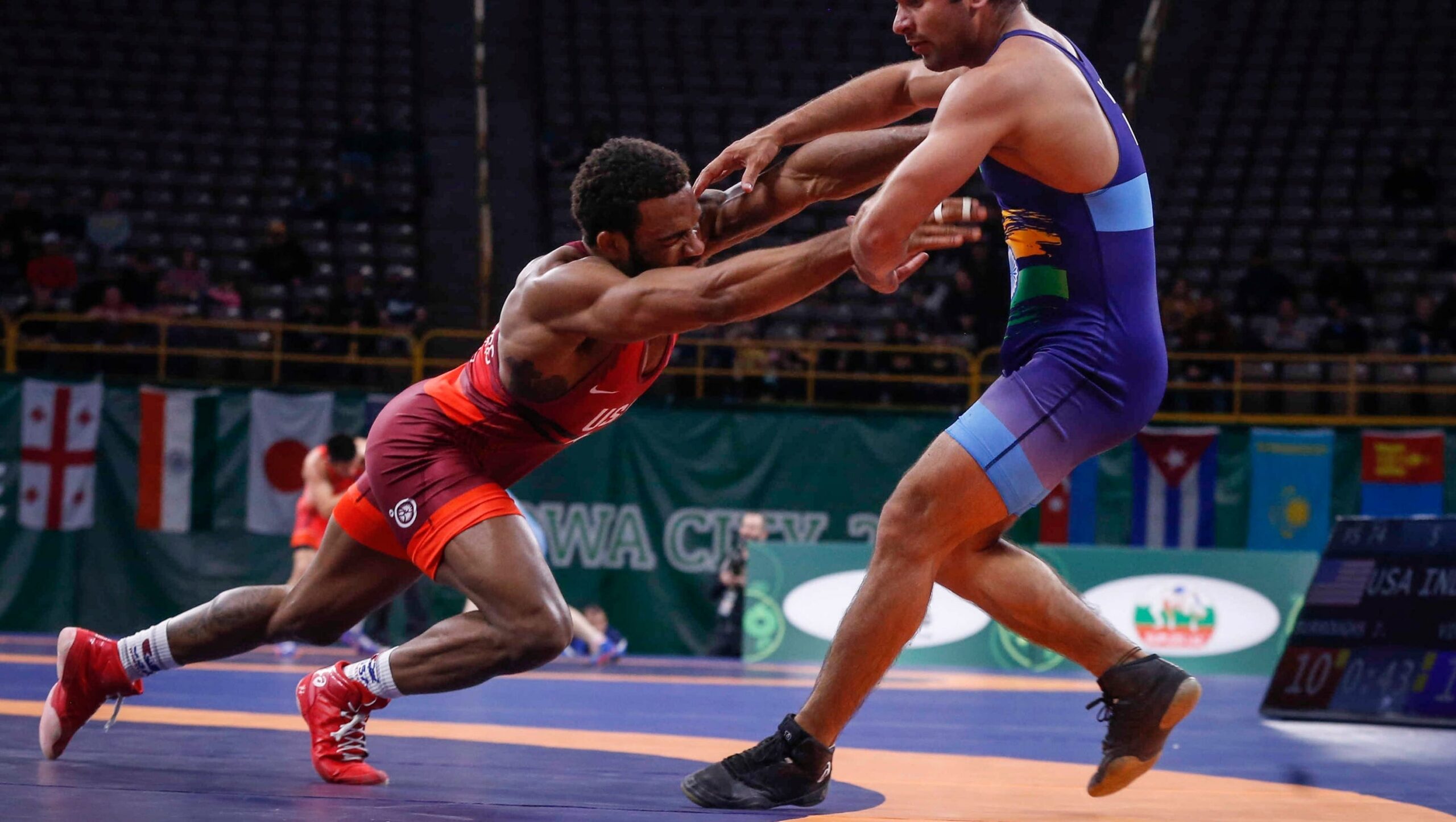
When MMA fans talk about the “ground game,” the conversation almost always drifts to Brazilian Jiu-Jitsu (BJJ). The narrative is simple: the Gracies brought the “Gentle Art” to the UFC, and it changed the world. But there is another story—a darker, more painful, and arguably more influential one. Before the Octagon, before the Gracies, and before the unified rules, there was Catch Wrestling.
Unlike the flowing, positional chess match of BJJ, Catch Wrestling is a style built on pain compliance, bone-breaking leverage, and ruthless aggression. It is the art that gave us Kazushi Sakuraba, the man who hunted the Gracies. It is the foundation of Josh Barnett, the youngest Heavyweight Champion in UFC history. And in many ways, it is the “lost” parent of modern MMA.
In this deep dive, we rip the lid off the “Snake Pit” to explore the history, techniques, and enduring legacy of Catch Wrestling in MMA. We’ll break down why this “violent art” might just be the most effective base for the cage that you aren’t training yet.
What is Catch Wrestling? (The Origins of the Hook)
Catch-as-Catch-Can (Catch for short) originated in the coal mines and carnivals of Lancashire, England, in the late 19th century. The name itself is a literal instruction: catch any hold you can, wherever you can.
While Judo and BJJ were developing with gis and strict hierarchies in Japan and Brazil, Catch was evolving in the gritty “At Shows” of traveling carnivals. Wrestlers, known as “Hookers” (a term of respect for a submission expert), would take on all comers from the crowd. If they didn’t win quickly, they didn’t get paid—or worse, they got beat up by a local tough guy. This environment bred a style that was fast, brutal, and devoid of stalling.
The Rules of the Snake Pit
In the legendary Snake Pit gym in Wigan, run by the terrifying Billy Riley, the philosophy was simple: Pin or Submit. Unlike amateur wrestling, where a pin ends the match, Catch wrestlers were taught to punish their opponents on the ground until they quit. If you couldn’t pin them, you broke them.
This lineage was carried to Japan by two key figures: Karl Gotch (known as the “God of Wrestling” in Japan) and Billy Robinson. These men taught the Japanese pro wrestlers how to fight for real, leading to the creation of Shooto, Pancrase, and eventually, the PRIDE Fighting Championships.
Catch Wrestling vs. BJJ: The Philosophy of Pain
To understand Catch Wrestling in MMA, you have to contrast it with its more popular cousin, Brazilian Jiu-Jitsu. While both arts seek to submit the opponent, their roads to victory are fundamentally different.
- Position vs. Pain: BJJ teaches “Position before Submission.” You pass the guard, stabilize side control, mount, and then look for the finish. Catch Wrestling often uses pain to create the position. A Catch wrestler might grind a forearm into your nose (a facial) or crank your neck just to make you move your arm, opening up a submission.
- The Guard: BJJ players are comfortable fighting off their backs. Catch wrestlers despise being on their backs. In Catch, being flat on your back meant being pinned (losing). Therefore, Catch wrestlers aggressively scramble to top position or turtle to stand up—a tactic that is incredibly effective in modern MMA scoring.
- Submission Style: BJJ submissions often rely on leverage and blood chokes (strangles). Catch submissions include a wide array of “neck cranks,” “spine locks,” and “compressive locks” (slicers) that attack the anatomy with pure torque.
The “Gracie Hunter”: Kazushi Sakuraba
The greatest advertisement for Catch Wrestling in MMA is undoubtedly Kazushi Sakuraba. In the early 2000s, the Gracie family and their BJJ style were considered invincible. They had dominated the early UFCs and Vale Tudo Japan.
Then came Sakuraba. Trained by Billy Robinson in the UWFi snake pit, Sakuraba didn’t fear the Gracie guard; he jumped into it. He used classic Catch techniques—the Kimura (Double Wrist Lock), ankle picks, and cartwheel guard passes—to defeat Royler, Renzo, Ryan, and finally, the legend himself, Royce Gracie, in a 90-minute war.
Sakuraba proved that a grappler who refused to play by BJJ rules could not only survive but dominate. He attacked legs, he cranked necks, and he scrambled relentlessly. He showed the world that Catch Wrestling was the “Kryptonite” to the pure BJJ game.
Key Catch Techniques for the Cage
If you watch modern fighters like Josh Barnett or even Jon Jones (who utilizes a very catch-heavy top game), you will see these staples of the Lancashire style.
1. The Double Wrist Lock (Kimura)
While BJJ calls it the Kimura (after Masahiko Kimura), Catch wrestlers call it the Double Wrist Lock. In Catch, this isn’t just a submission; it’s a control position. Catch wrestlers use it to sweep, to pin, and to force the opponent to turn their back. It is arguably the most versatile hold in MMA.
2. The Neck Crank (Can Opener)
In many BJJ tournaments, neck cranks are illegal. In the Octagon, they are fair game. The Can Opener (pulling the head down while inside the closed guard) is a classic Catch move used to break an opponent’s posture or force them to open their guard to relieve the pressure on their cervical spine.
3. Leg Locks (The Ashikan Judan)
Before the “Danaher Death Squad” popularized leg locks in BJJ, Catch wrestlers were widely known as the kings of the lower body. They didn’t view leg locks as “cheap” (a common old-school BJJ sentiment) but as efficient. Heel hooks, Toe holds, and Calf Slicers are all bread-and-butter moves in the Catch arsenal.
4. The Ride
Catch wrestling places a massive emphasis on “riding”—using your body weight to pin the opponent’s hips and head to the mat. By floating on top of an opponent and removing their base, a Catch wrestler exhausts the foe without expending much energy. This “cooking” of the opponent is essential for 5-round MMA fights.
Modern Pioneers and the Legacy
Today, pure Catch Wrestling is rare, but its DNA is everywhere. Josh Barnett remains the most vocal advocate, famously shouting “Catch Wrestling!” after his victories. His catch-based grappling allowed him to submit BJJ black belts like Dean Lister in submission grappling superfights.
Another key figure is Erik Paulson, a student of Billy Robinson and the founder of CSW (Combat Submission Wrestling). Paulson was the first American to win the Light Heavyweight title in Shooto, Japan’s oldest MMA organization. His CSW system blends Catch with Muay Thai and has influenced countless fighters, including Ken Shamrock and Brock Lesnar.
Even fighters who don’t identify as Catch wrestlers often use its principles. The heavy top pressure of Khabib Nurmagomedov (though Sambo-based) shares the “control and crush” philosophy of Catch. The frantic scrambles of Tony Ferguson and the opportunistic submissions of Tom Aspinall also echo the “catch-as-catch-can” mindset.
Is Catch Wrestling the Best Base for MMA?
While collegiate wrestling provides the best takedowns and BJJ provides the best safety net, Catch Wrestling provides the finish. In modern MMA, where judges score heavy for damage and aggression, the passive guard-pulling of sport BJJ is losing favor. The aggressive, top-heavy, submission-hunting style of Catch is perfectly suited for the Unified Rules.
Fighters who learn to “Hook” add a layer of nastiness to their game. They stop looking for points and start looking for breaking mechanics. As the sport evolves, we are seeing a return to these old-school principles: control the head, break the posture, and catch the submission the moment it appears.
FAQ: Catch Wrestling in MMA
Is Catch Wrestling dangerous?
Yes. The motto of many Catch gyms is “Snap, No Tap.” The techniques often target the neck, spine, and small joints, designed to inflict enough pain to force a submission or cause injury. In training, safety is paramount, but the intent of the art is violent efficiency.
What is the main difference between Catch Wrestling and BJJ?
The primary difference is the philosophy of control. BJJ seeks to stabilize a position (like Mount) before attacking. Catch Wrestling attacks immediately, often using pain (neck cranks, face locks) to force the opponent into a bad position. Catch also prohibits laying on your back (the guard), whereas BJJ encourages it.
Who are the most famous Catch Wrestlers in MMA?
The most famous include Kazushi Sakuraba, Josh Barnett, Ken Shamrock, Frank Shamrock, Bas Rutten (who integrated it with striking), and Shayna Baszler. Erik Paulson is also a legendary coach of the style.
Where can I learn Catch Wrestling?
Authentic Catch Wrestling is harder to find than BJJ. Look for schools affiliated with the Snake Pit (Wigan or USA), Erik Paulson’s CSW, or Scientific Wrestling. Many “No-Gi BJJ” schools also incorporate Catch concepts, especially leg locks.
Is Catch Wrestling better than BJJ for self-defense?
It depends. Catch Wrestling’s emphasis on staying on top and finishing quickly is excellent for street altercations where being on your back is dangerous. However, BJJ’s guard is a critical safety net if you are knocked down. A combination of both is ideal.