In the high-stakes world of Mixed Martial Arts (MMA), few techniques are as universally feared and respected as the Armbar in MMA. It is the “checkmate” of grappling—a joint lock that targets the elbow with devastating leverage, forcing an opponent to submit or suffer a catastrophic injury. From the gritty early days of the UFC to the polished, high-flying highlights of the modern era, the armbar has remained a staple in every champion’s arsenal. Whether executed from the guard, the mount, or even mid-air, this technique represents the perfect marriage of physics and martial arts violence.
While the Rear Naked Choke may be the most common finisher, the armbar is the most iconic symbol of submission grappling. It requires precision, control, and a ruthless understanding of body mechanics. In this deep dive, we explore the mechanics of the armbar, its evolution through legends like Ronda Rousey and Demetrious Johnson, and why it remains the ultimate joint lock in combat sports.
The Mechanics: How an Armbar Works
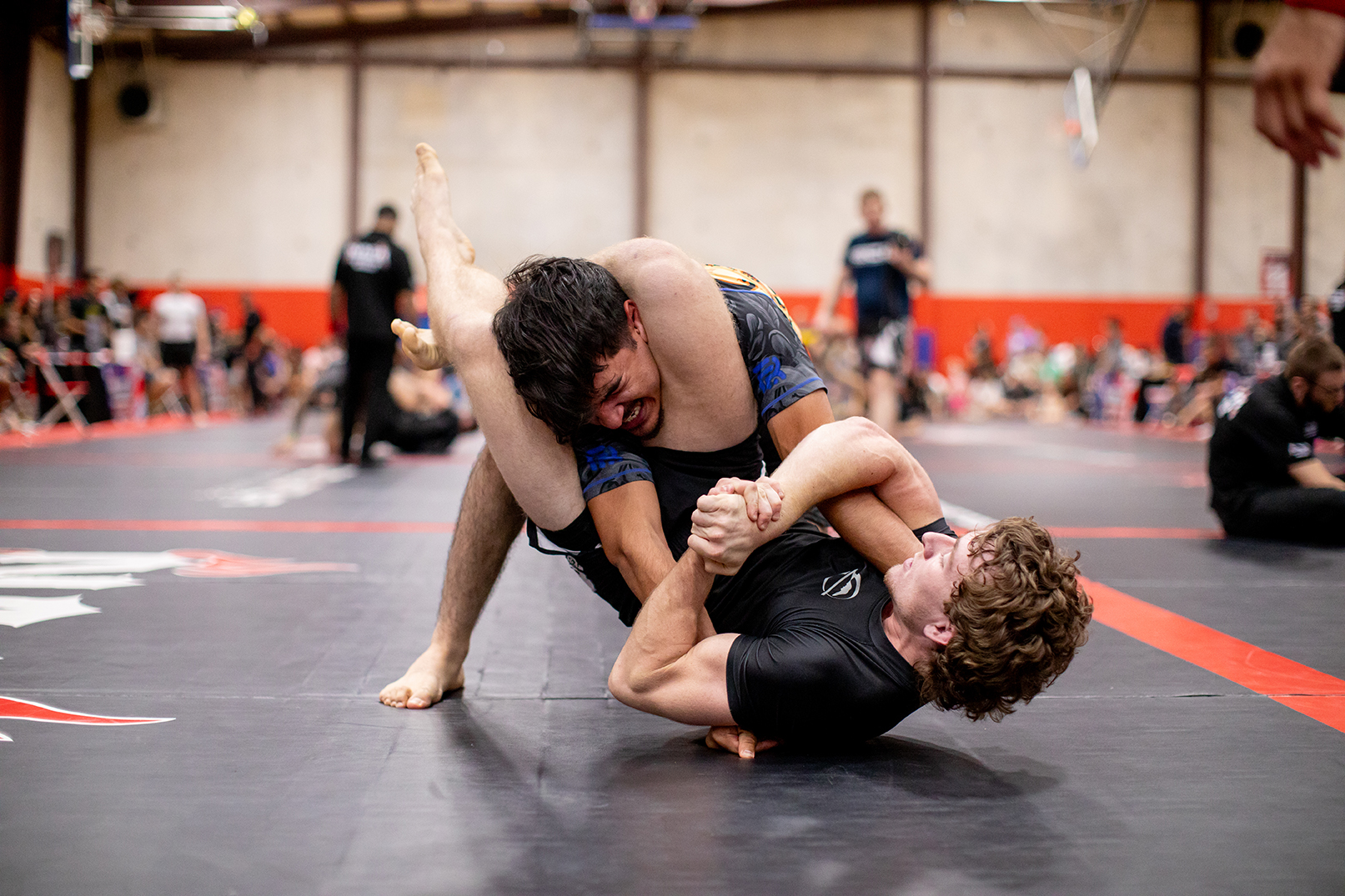
At its core, the armbar (known in Judo as Juji Gatame) is a hyperextension of the elbow joint. The attacker isolates an opponent’s arm, traps it between their legs, and uses their hips as a fulcrum to bend the elbow backward against its natural range of motion. The mechanics can be broken down into three critical phases:
- Isolation: Separating one arm from the opponent’s body to prevent defense.
- Control: Using the legs to pin the opponent’s posture and shoulder, ensuring they cannot roll or stack to escape.
- Leverage: Raising the hips (the fulcrum) while pulling the wrist down (the lever), applying immense pressure to the elbow.
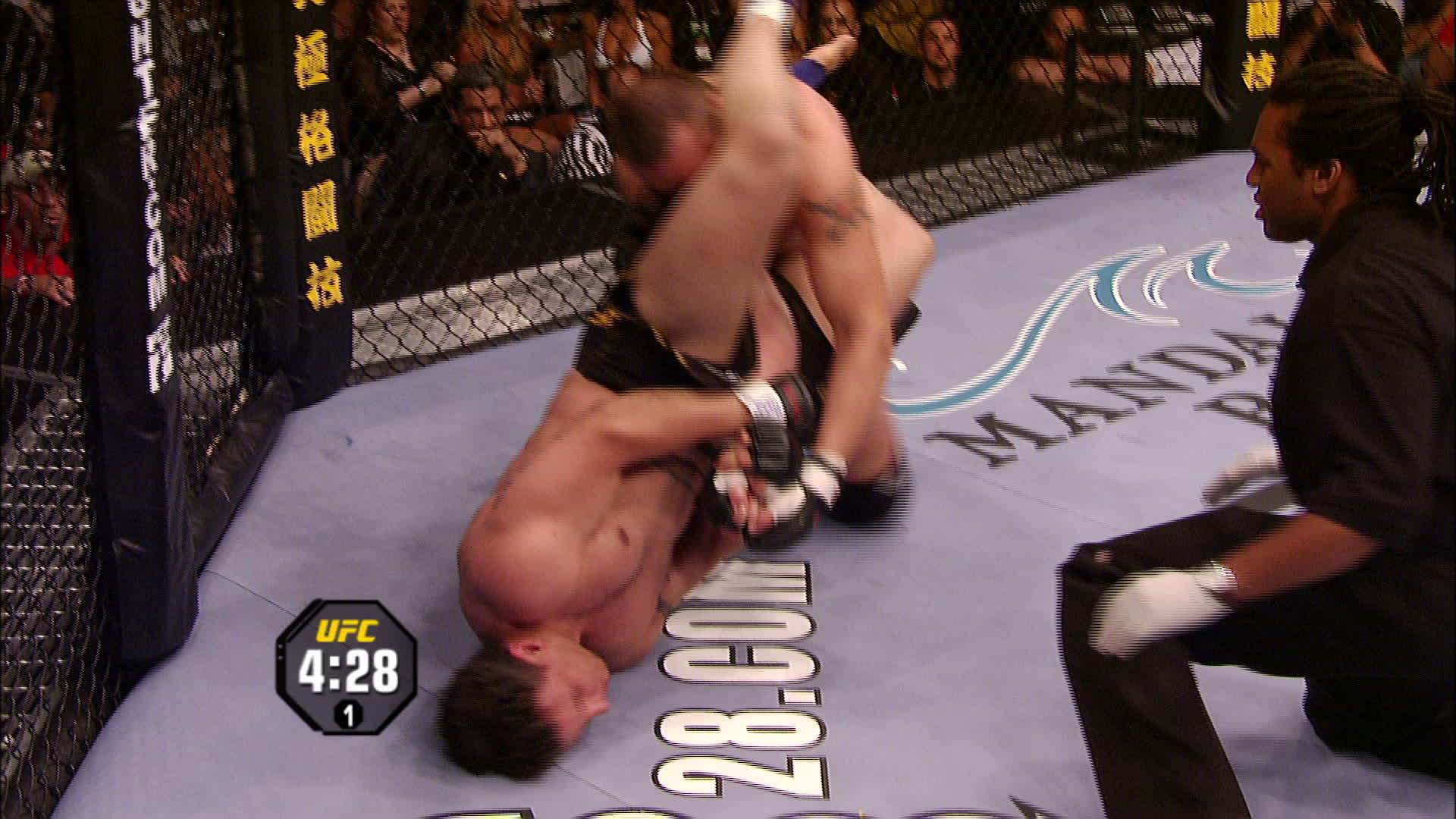
When applied correctly, the breaking pressure is instantaneous. As seen in the infamous bout between Frank Mir and Tim Sylvia at UFC 48, a fully locked armbar can snap the radius and ulna bones if the defender refuses to tap.
The Evolution of the Armbar in UFC History
The history of the Armbar in MMA is a timeline of the sport’s evolution itself. It began as a secret weapon of the Gracie family and evolved into a dynamic, high-percentage finisher used by athletes of all disciplines.
The Gracie Era: Introducing the Juji Gatame
When Royce Gracie stepped into the Octagon at UFC 1, the world was largely ignorant of submission grappling. While he won the first tournament via chokes, it was at UFC 2 where he showcased the armbar’s power against Jason DeLucia. Gracie demonstrated that a smaller fighter could defeat a larger adversary by fighting off their back in the “guard”—a defensive position that allows for offensive submissions. This moment birthed the modern understanding of the armbar in Western combat sports.
The Queen of Armbars: Ronda Rousey’s Dominance
No fighter is more synonymous with the armbar than Ronda Rousey. The Olympic Judoka terrorized the Strikeforce and UFC bantamweight divisions with a version of the technique that was aggressive, fast, and seemingly unstoppable. Unlike the slow, methodical setups of the BJJ guard, Rousey often transitioned to the armbar immediately after a Judo throw.
Her stats are legendary: 9 of her 12 professional wins came via armbar, many in the first minute of the first round. Rousey proved that specialized mastery of a single technique could overwhelm even world-class competition. Her “spinning” entry into the armbar became a trademark move that defined an era of women’s MMA.
The Mighty Wiz Bar: Demetrious Johnson’s Masterpiece
If Rousey represented the power of the armbar, Demetrious “Mighty Mouse” Johnson represented its artistic peak. At UFC 216, in a title defense against Ray Borg, Johnson executed what is widely considered the greatest submission in UFC history.
Johnson lifted Borg for a suplex but, mid-air, transitioned his hips and legs to catch Borg’s arm before they even hit the canvas. Dubbed the “Mighty Wiz Bar,” this suplex-to-armbar sequence shattered the ceiling of what was thought possible in the Octagon. It wasn’t just a submission; it was a statement of complete athletic superiority.
Famous Armbar Finishes in MMA
Beyond the pioneers, several armbars stand out in the annals of MMA history for their brutality or technical brilliance:
- Frank Mir vs. Tim Sylvia (UFC 48): A chilling reminder of the technique’s danger. Mir snapped Sylvia’s forearm in seconds, forcing the referee to stop the fight despite Sylvia wanting to continue.
- Fabricio Werdum vs. Fedor Emelianenko (Strikeforce): Werdum shocked the world by submitting the heavyweight GOAT, Fedor, inside a triangle-armbar combination, ending Fedor’s decade-long unbeaten streak.
- Charles Oliveira vs. Tony Ferguson (UFC 256): While Ferguson didn’t tap, Oliveira’s fully extended armbar demonstrated supreme technical control, nearly hyperextending the arm of one of the toughest men in the sport.
Is the Armbar Still Effective in Modern MMA?
With the rise of “anti-jiu-jitsu” and sweaty, slippery scrambles, some argue that the traditional armbar from the guard is becoming less effective. High-level wrestlers and strikers have learned to “stack” opponents or pull out early to avoid the danger zone. However, the technique has simply evolved.
Modern fighters now use the armbar as part of a “dilemma” system. They threaten the armbar to force a reaction, which opens up a Triangle Choke or a sweep. Conversely, “Flying Armbars” and fast transitions from the back mount keep the technique relevant. Statistics show that while the frequency of armbars from the closed guard has dipped, armbars from top positions or chaotic scrambles remain a top-tier finisher.
How to Train the Armbar Safely
For beginners, learning the Armbar in MMA requires patience and a focus on safety. Because it targets a delicate joint, training partners must respect the “tap.” Key tips for training include:
- Control the Thumb: Ensure the opponent’s thumb points toward the ceiling (away from your chest) to target the elbow joint correctly.
- Pinch the Knees: Loose knees allow space for the opponent to pull their arm free. Keep your knees tight together.
- Don’t Cross Your Feet (Usually): In the standard armbar from guard, crossing your feet can limit your ability to apply downward pressure with your legs.
FAQ
Is the armbar dangerous?
Yes, if applied with full force, an armbar can dislocate the elbow or fracture the forearm bones. In competition, fighters tap out to avoid this injury.
How do you escape an armbar?
The most common escape is the “Hitchhiker” escape, where the defender runs their legs away from the attacker to rotate the shoulder and relieve pressure. Another method is “stacking,” where the defender puts their weight on the attacker to prevent them from extending their hips.
Who has the most armbar wins in UFC history?
Ronda Rousey is the most famous, but fighters like Charles Oliveira and Royce Gracie have also secured multiple victories using this technique. Oliveira holds the record for most submission wins in UFC history, utilizing a wide variety of locks including the armbar.
What is the difference between a Kimura and an Armbar?
An armbar hyperextends the elbow joint straight. A Kimura is a shoulder lock that twists the arm behind the opponent’s back, attacking the rotator cuff and shoulder joint.
Can you do an armbar from a standing position?
Yes, this is called a “Flying Armbar.” It involves jumping onto a standing opponent and swinging the legs around their head to drag them down into the lock. It is a high-risk, high-reward move.