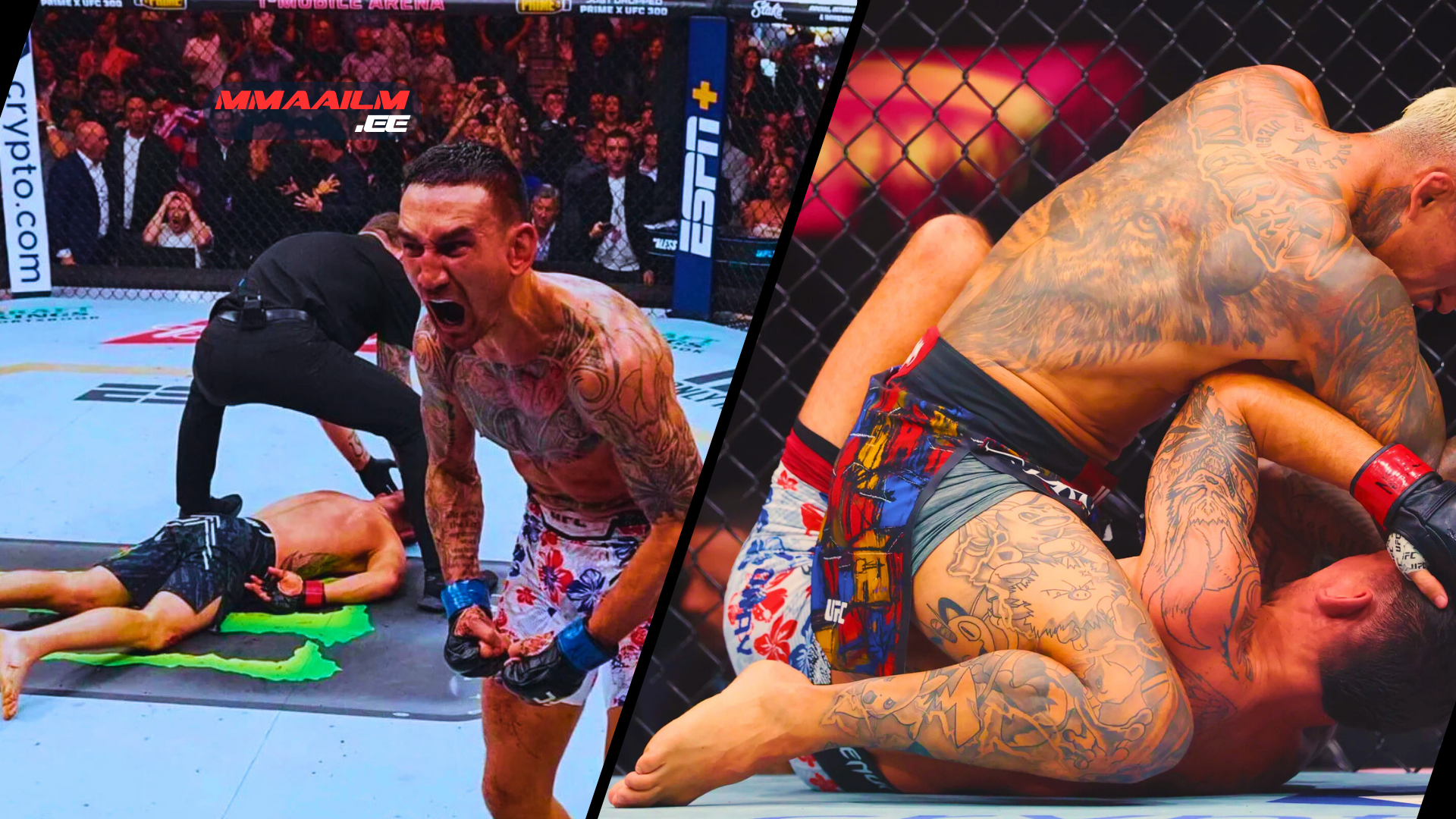
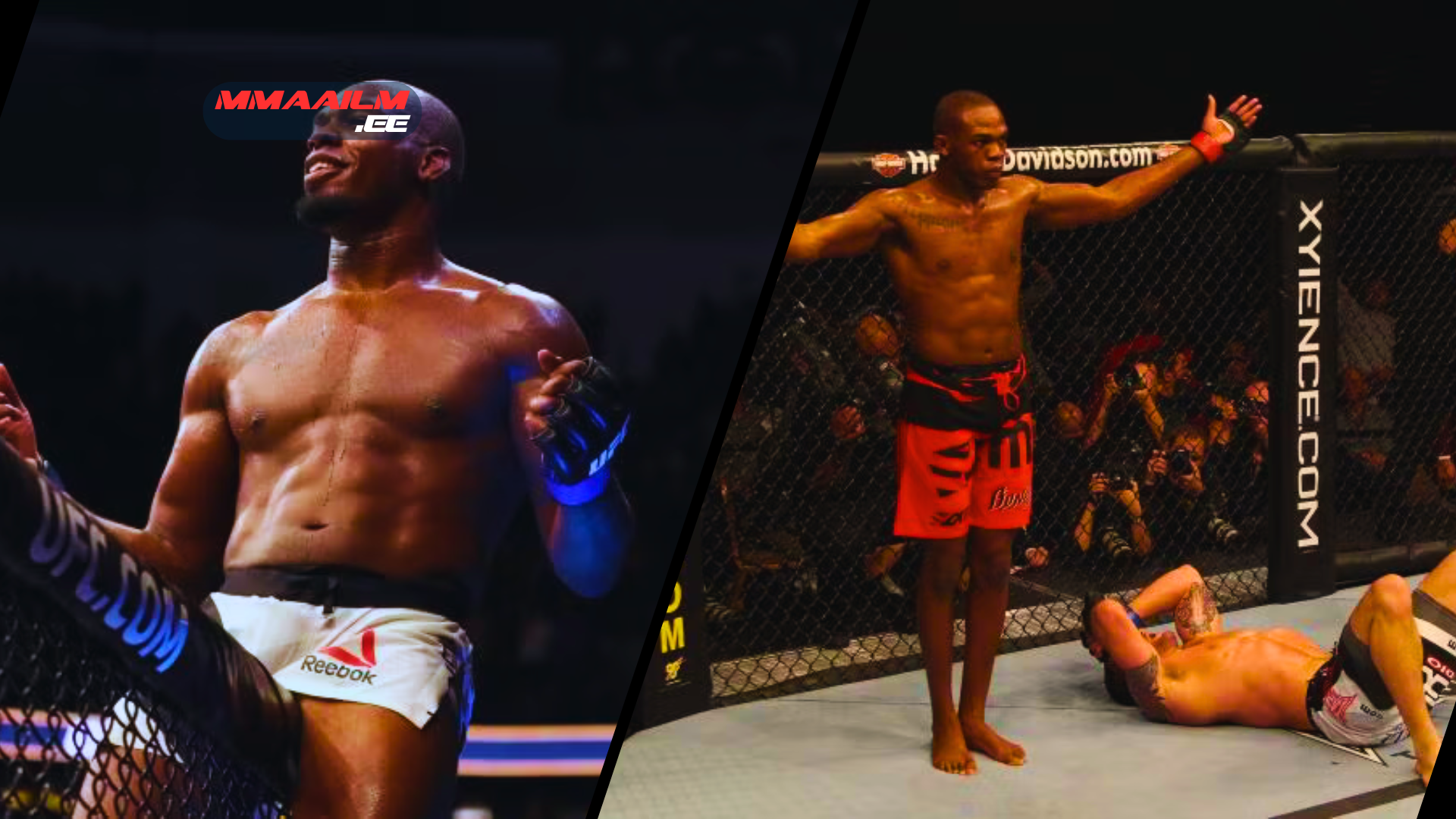
If you have watched the UFC lightweight division over the last decade, you have witnessed a specific kind of dominance. It is not just wrestling, and it is certainly not Brazilian Jiu-Jitsu. It is a suffocating, relentless pressure that seems to drown opponents in deep water. From Khabib Nurmagomedov to Islam Makhachev and Fedor Emelianenko, the common denominator is a Soviet military martial art known as Combat Sambo.
For years, Western MMA fans viewed Sambo as merely “Russian Judo.” But as the belt holders from Dagestan continue to rewrite the record books, it has become undeniable that Sambo offers a unique set of tools perfectly engaged for modern cage fighting. But what exactly is it? How does it differ from BJJ and Wrestling? And why does it produce fighters who seem almost impossible to take down?
This is the ultimate guide to Combat Sambo in MMA—its history, its lethal techniques, and why it remains the best base for the modern fighter.
What is Combat Sambo? (More Than Just “Russian Wrestling”)
The word SAMBO is an acronym for the Russian phrase SAMozashchita Bez Oruzhiya, which translates to “Self-Defense Without Weapons.” Unlike ancient martial arts that evolved over centuries of tradition, Sambo was scientifically engineered in the 1920s by the Soviet Red Army. The goal was simple: create the most efficient hand-to-hand combat system possible for soldiers and police officers.
The founders, Viktor Spiridonov and Vasili Oshchepkov, traveled globally to study Judo, Jujutsu, Catch Wrestling, and various indigenous wrestling styles from the Soviet republics (such as Georgian Chidaoba and Uzbek Kurash). They distilled these arts into a hybrid system designed for total battlefield dominance.
There are two main variations you will see today:
- Sport Sambo: Similar to Judo but allows leg locks and bans chokes. It focuses on high-amplitude throws and grappling speed.
- Combat Sambo: The military version. It resembles modern MMA, allowing punches, kicks, elbows, headbutts, and groin strikes (in military applications). This is the version that bred champions like Fedor and Khabib.
The International Sambo Federation (FIAS) governs the sport globally, but its true testing ground has become the MMA cage.
The “Holy Trinity” of Sambo Legends in MMA
To understand the effectiveness of Sambo, you must look at the three men who translated it best for the cage. Each represents a different era of the sport’s evolution.
1. The Pioneer: Oleg Taktarov
Long before the “Dagestani Takeover,” there was “The Russian Bear.” In 1995, Oleg Taktarov entered UFC 6 and shocked the world. At a time when Royce Gracie’s BJJ was considered invincible, Taktarov showed that Sambo fighters could grapple just as effectively but with better takedowns and brutal leg locks. His victory at the UFC 6 tournament proved that Sambo was a viable alternative to Jiu-Jitsu.
2. The Emperor: Fedor Emelianenko
In the 2000s, Fedor Emelianenko became the face of Combat Sambo. While he never fought in the UFC, his reign in PRIDE FC is legendary. Fedor introduced the MMA world to the seamless blend of “casting punches” (looping hooks that turn into throws) and vicious ground-and-pound. He didn’t just take people down; he threw them with velocity and struck them on the way down.
3. The Perfecter: Khabib Nurmagomedov
If Fedor was the brawler, Khabib Nurmagomedov was the scientist. The former UFC Lightweight Champion utilized a specific Sambo strategy often called “Father’s Plan” (referring to his coach and father, Abdulmanap Nurmagomedov). Khabib mastered the art of Cage Wrestling—using the fence as a weapon to prop opponents up while mauling them. His 29-0 record stands as the ultimate testament to Sambo’s efficacy in the modern era.
Sambo vs. BJJ vs. Wrestling: The Technical Differences
New fans often ask: “Is Sambo just wrestling with a jacket?” or “Is it just Russian BJJ?” The answer lies in the philosophy of the ground game.
The “Top Position” Philosophy
Brazilian Jiu-Jitsu (BJJ) is comfortable fighting off the back (the Guard). A BJJ player is happy to pull guard and look for submissions from the bottom.
Sambo, however, penalizes going to the back. In Sport Sambo, if you remain on your back, you are losing. This breeds a mindset where the fighter must stay on top. In MMA, this translates to aggressive top control. You will rarely see a Sambo specialist willingly pull guard; they will scramble violently to get back to their feet or reverse the position.
The Casting Punch
Boxers are taught to punch in straight lines or tight hooks. Combat Sambo practitioners use the Casting Punch—a long, looping overhand that looks sloppy to the untrained eye. However, the mechanics are intentional. The loop allows the punch to bypass a traditional guard, and even if it misses, the arm’s momentum naturally wraps around the opponent’s neck or body, leading directly into a clinch or hip throw.
Leg Locks as a Primary Weapon
Because Sport Sambo historically banned chokes, practitioners had to become wizards at leg locks to finish fights. While BJJ schools often leave leg locks for advanced students, Sambo players learn kneebars and ankle locks from day one. This makes them dangerous from positions where a wrestler would feel safe.
Why Sambo is the “Best Base” for Modern MMA
The current MMA ruleset (Unified Rules) heavily favors the Sambo style over traditional BJJ. Here is why:
- Scoring Criteria: Judges score takedowns, damage, and top control highly. BJJ guard play often results in losing rounds if a submission isn’t secured. Sambo’s “smesh” style guarantees points.
- The Cage Factor: Wrestling effectively against a fence is a unique skill. Sambo fighters train to pin opponents against surfaces, restricting movement and draining the gas tank.
- Energy Efficiency: By controlling the legs and hips (the “Dagestani Handcuff”), a Sambo fighter can rest while the opponent carries their weight. This is why fighters like Islam Makhachev look fresh in the 5th round while their opponents are exhausted.
How to Start Training Combat Sambo
Finding a pure Sambo gym can be difficult outside of Eastern Europe, but the influence is spreading. If you are looking to train, look for:
- MMA Gyms with Sambo Coaches: Many top MMA gyms now employ Dagestani or Russian coaches specifically for grappling.
- Judo Clubs with a “Newaza” focus: Judo is the closest cousin to Sambo. A Judo club that spars heavily on the ground can provide a solid base.
- No-Gi Jiu-Jitsu with Wrestling: If you cannot find Sambo, cross-training in Wrestling and No-Gi BJJ is the next best path. Focus on top pressure and leg locks.
Combat Sambo is not magic; it is simply a martial art that refuses to accept the bottom position. In a sport where being on your back often means losing the fight, that philosophy has proven to be worth its weight in gold.
Frequently Asked Questions (FAQ)
Is Sambo dangerous to train?
Like all combat sports, there is a risk of injury. However, Sambo emphasizes falling techniques (breakfalls) early on, which actually makes it safer long-term than training without learning how to fall. The leg locks used in Sambo require careful drilling with experienced partners to avoid knee injuries.
Why don’t we see more Sambo in the Olympics?
Sambo is recognized by the International Olympic Committee (IOC) but is not yet a permanent Olympic sport. This is largely due to its similarity to Judo and Wrestling, which are already established. However, FIAS continues to push for its inclusion.
Is Sambo better than BJJ for self-defense?
Sambo has a slight edge in “street” scenarios because it integrates striking and focuses on staying standing or being in the top position. BJJ’s guard game is risky on concrete or against multiple attackers, whereas Sambo’s “throw and strike” mentality is designed for quick neutralization.
Can I learn Sambo if I have no wrestling background?
Absolutely. While many champions start young, the system is designed to be taught from scratch. You will start with basic gymnastics and breakfalls before moving on to complex throws and submissions.
Do Sambo fighters wear a belt?
Yes, in Sport and Combat Sambo, competitors wear a jacket called a Kurtka and a belt. The belt system is used for ranking, similar to Judo and Karate, though the colors and progression may vary by federation.