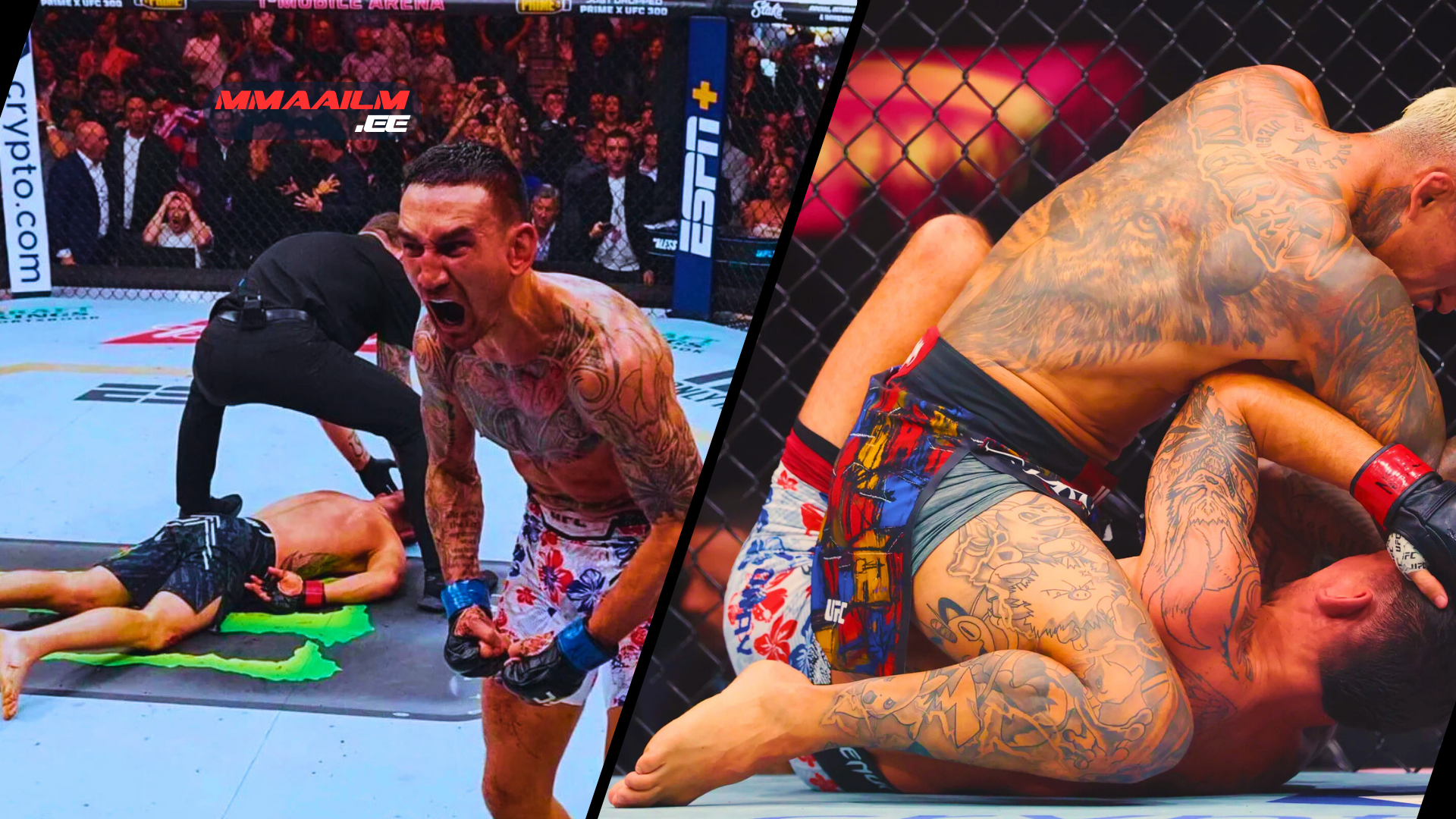
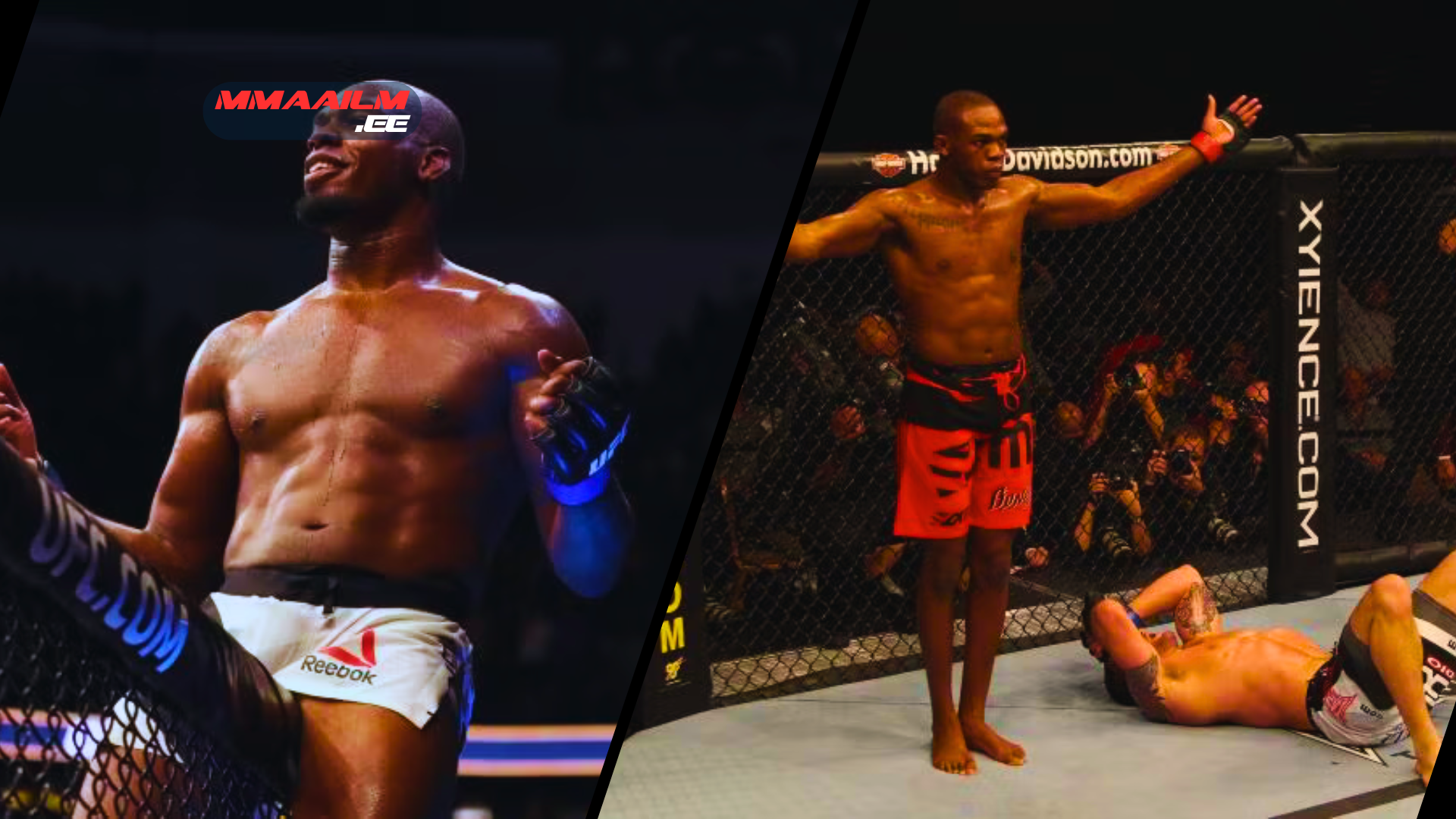
In the high-stakes world of professional cage fighting, the most devastating blow is rarely the one you see coming; it is the one you walk into. The art of the MMA counter-striker represents the pinnacle of technical combat, where patience, timing, and spatial awareness converge to turn an opponent’s aggression into their downfall. While many fans are drawn to the raw power of heavy hitters, the true connoisseurs of the sport find beauty in the surgical precision of a fighter who can win a bout by doing less, but doing it better. This strategic approach has defined some of the most iconic eras in the Octagon, proving that in a game of inches, the person who reacts second often finishes first.
The Mechanics of Timing and Distance
At the heart of the art of the MMA counter-striker lies the mastery of distance management. This is often referred to as the “invisible line” or the “danger zone.” A world-class counter-striker lives just a fraction of an inch outside their opponent’s reach, baiting them to overextend. When an aggressive fighter commits to a strike, they inevitably leave an opening—a chin exposed, a guard dropped, or a balance point compromised. The counter-striker’s job is to identify that micro-moment of vulnerability and exploit it with a perfectly timed response.
Timing is the second pillar of this discipline. It is not merely about being fast; it is about understanding the rhythm of the fight. Great counter-strikers like Anderson Silva or Israel Adesanya are known for their ability to “read” the telegraphs of their opponents. Whether it is a slight shoulder twitch before a jab or a dip in the hips before a power cross, the counter-striker processes this information in real-time. By the time the strike is launched, the counter-striker has already initiated a slip, a fade, or a pivot, clearing the path for their own return fire. This kinetic efficiency ensures that the counter-striker’s blow lands while the opponent is still in the middle of their own offensive motion, often doubling the impact force due to the collision of two moving bodies.
Why the Art of the MMA Counter-Striker Dominates Modern MMA
The evolution of the sport has seen a significant shift from the “brawl and sprawl” era to a more calculated, technical landscape. The art of the MMA counter-striker has become a dominant force because it effectively neutralizes the most common weapon in the cage: aggression. In the early days of the UFC, fighters could often win through sheer volume and pressure. However, as striking coaching has become more sophisticated, the risks of blind aggression have skyrocketed. Modern champions understand that every strike thrown is a gamble, and the counter-striker is the house that always wins.
Furthermore, counter-striking is inherently energy-efficient. While a pressure fighter might burn significant cardio chasing their opponent and throwing high-volume combinations, the counter-striker remains composed, waiting for the high-percentage opportunity. This allows them to maintain their speed and reflexes deep into the championship rounds. When we look at the history of MMA weight classes, we see that the most dominant champions—from the featherweight division to the heavyweights—often possess a high-level counter-striking game that allows them to dictate the pace of the fight without over-exerting themselves.
The Psychological Warfare of the Counter
Beyond the physical mechanics, there is a profound psychological element to being a counter-striker. When a fighter realizes that every time they throw a punch, they get hit back harder, they begin to hesitate. This hesitation is the death knell for an offensive game plan. The counter-striker uses feints and movement to create a sense of “analysis paralysis” in their opponent. By making the opponent second-guess their entries, the counter-striker effectively takes control of the Octagon without even throwing a strike. This mental dominance often leads to the opponent making desperate, sloppy mistakes, which are then easily exploited by the waiting specialist.
Technical Tools: The Check Hook and the Pull Counter
To truly appreciate the art of the MMA counter-striker, one must look at the specific tools used to dismantle opponents. One of the most effective weapons is the check hook. This is a lead-hand hook thrown while pivoting away from an oncoming opponent. It is particularly effective against “bull-rushers” who try to close the distance quickly. As the opponent moves forward, the check hook catches them on the side of the jaw, using their own forward momentum to create a knockout. This was famously utilized by Floyd Mayweather in boxing and has been adapted seamlessly into MMA by fighters who understand the importance of lateral movement.
Another staple is the pull counter. This involves leaning the head back just enough to let a punch graze the air in front of the face, then immediately snapping back with a straight cross. This requires elite-level reflexes and a deep trust in one’s own distance. The pull counter is a high-risk, high-reward move, but when executed correctly, it is one of the most aesthetically pleasing and effective finishes in combat sports. It highlights the core philosophy of the counter-striker: the best defense is a devastating offense that starts exactly where the opponent’s attack ends.
The Role of Defensive Wrestling
It is impossible to discuss the art of the MMA counter-striker without mentioning the necessity of defensive wrestling. A counter-striker who cannot stop a takedown is a counter-striker who will spend the fight on their back. To stay standing and utilize their precision, these fighters must have world-class “sprawl and brawl” capabilities. They use their striking to keep opponents at bay, but they rely on their hips and underhooks to ensure the fight remains in their preferred domain. This synergy between elite striking and defensive grappling is what separates a pure kickboxer from a complete mixed martial artist. By neutralizing the threat of the ground game, the counter-striker forces their opponent to play a game they cannot win: a technical striking match.
Conclusion: The Legacy of Precision
The art of the MMA counter-striker is more than just a style; it is a philosophy of combat that prioritizes intelligence over ego. It teaches us that in the chaos of a fight, the person who remains the calmest and most observant is usually the one who leaves with the belt. As the sport continues to grow and athletes become even more well-rounded, the demand for technical precision will only increase. Whether it is through the use of southpaw vs orthodox angles or the implementation of new-age calf kicks to set up counters, the specialists of this craft will always have a place at the top of the rankings. They are the architects of the Octagon, building traps that their opponents cannot help but walk into.
Frequently Asked Questions
What is the best base for an MMA counter-striker?
While many styles contribute to counter-striking, Muay Thai and high-level Kickboxing are often considered the best bases. These disciplines emphasize distance, timing, and the ability to read an opponent’s movements. However, a strong foundation in wrestling is also required to keep the fight standing.
Is counter-striking boring to watch?
This is a common misconception. While some counter-striking matches can be slow-paced as both fighters wait for an opening, the eventual payoff is often a spectacular and technical knockout. It is a “chess match” that requires the viewer to appreciate the subtle movements and traps being set.
How do you beat a world-class counter-striker?
Beating a counter-striker usually requires high-level feints, varied rhythms, and a strong clinch or wrestling game. By forcing the counter-striker to react to “fake” entries, an opponent can draw out the counter and then counter the counter. Pressure must be applied intelligently, not blindly.
Who are some of the best counter-strikers in UFC history?
Anderson Silva is widely regarded as the greatest counter-striker to ever enter the Octagon. Other notable specialists include Israel Adesanya, Lyoto Machida, Conor McGregor, and Stephen “Wonderboy” Thompson. Each of these fighters utilized different techniques but shared the same core philosophy of precision over power.